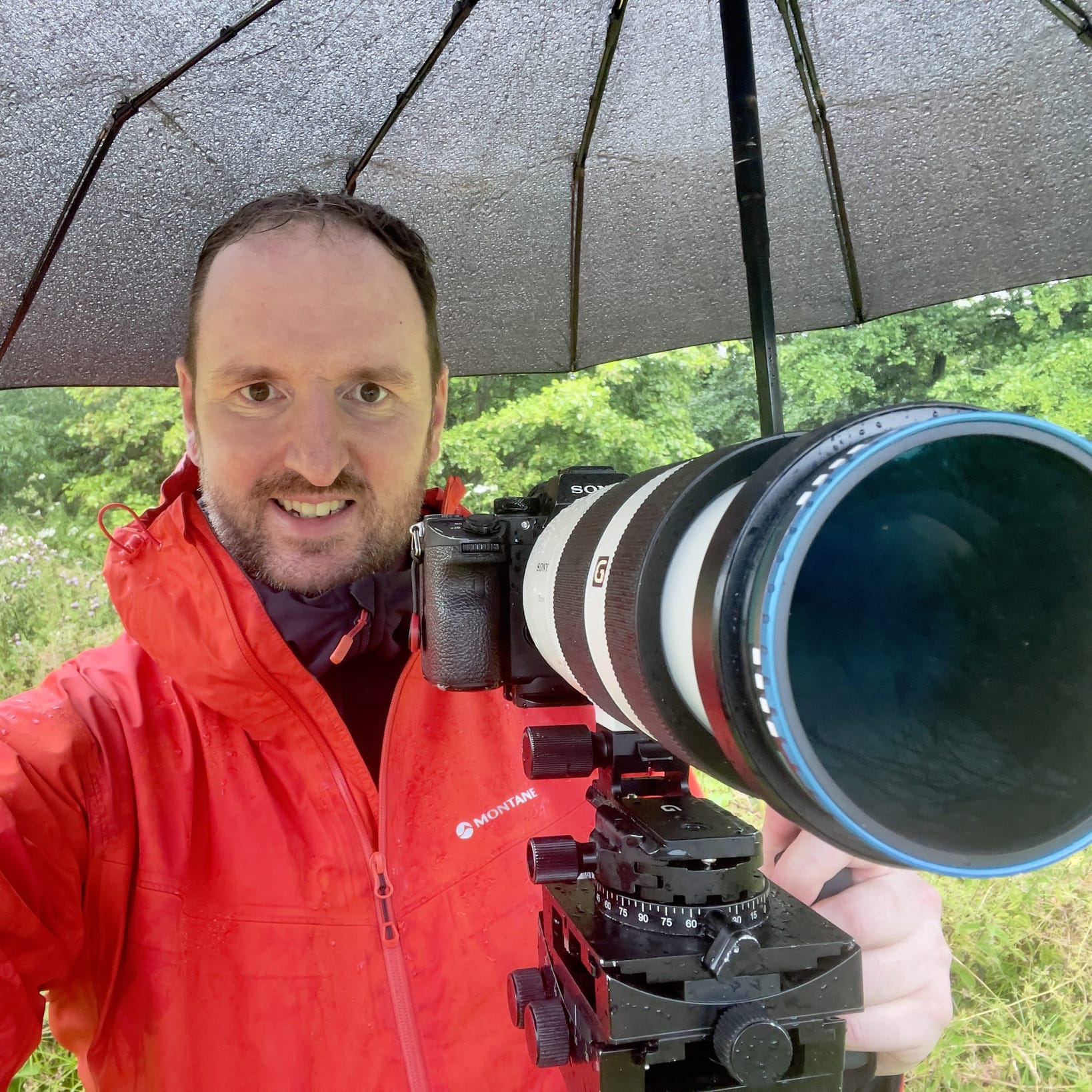
About Tim Smalley
From Burnout to Stillness: Why I Photograph The Forest – and Help Others Do the Same
When I was in my late twenties, I found myself walking through a local woodland with my camera in hand – not because I had a shot in mind, but because I didn’t know what else to do.
I was grieving, burned out and tired in a way that sleep couldn’t fix. Everything felt hollow. Directionless. The sort of tired that sits beneath the surface. I wasn’t out looking for a photograph. I think, in hindsight, I was looking for purpose – or at least some quiet place where the noise would stop for a bit.
That was the first time I went searching for something deeper. I didn’t know it yet, but this would become a turning point.
Discovery in the Face of Adversity
A couple of years earlier, I lost my first wife to cancer. Not long after that, I sold the business I’d started at university. On the surface, I looked successful — financially stable, outwardly together. But inside, it felt like everything I’d worked for had been taken from me.
I tried to carry on. Moved to a new place, changed careers, remarried. I told myself I was coping. But underneath, I was still carrying it all — the grief, the burnout, the sense that nothing really meant anything anymore.
Eventually, it caught up with me. First anxiety. Then depression. And then a full breakdown. I couldn’t function. I felt cut off — from myself, from any kind of purpose. One day, I ended up in a very dark place. The darkest place. But with help from my wife and the police, I made it home.
I started therapy soon after. Just before my first session, I stood in front of the mirror and said, out loud, that I needed help. And that I would never go back to that place again.
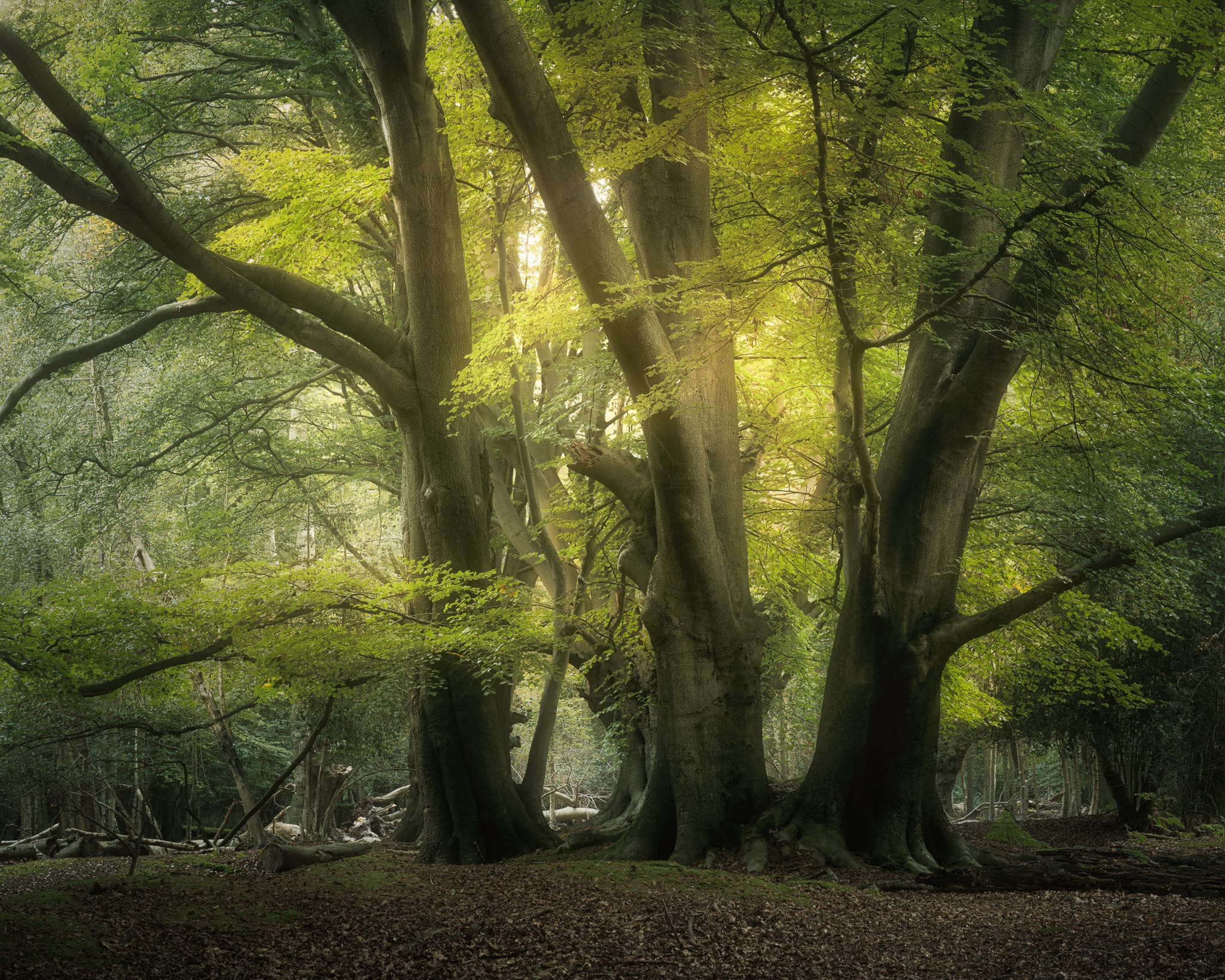
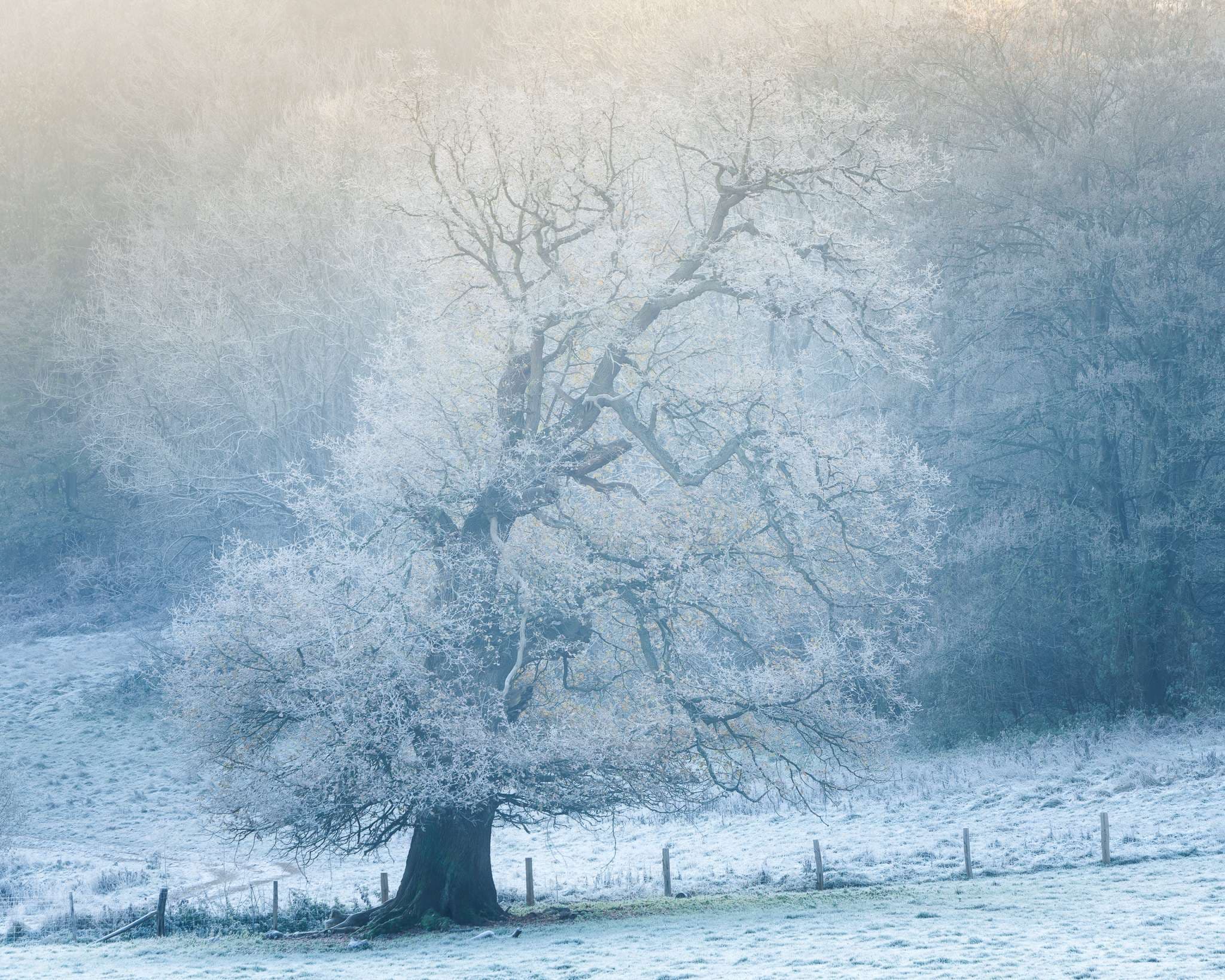
After each session, I’d take the afternoon off and walk in the woods to reflect. Those walks became part of the healing process. A quiet space to feel what I couldn’t put into words. To cry sometimes. To smile, too. I always ended up in the same spot — under my favourite tree. A huge, wise old oak.
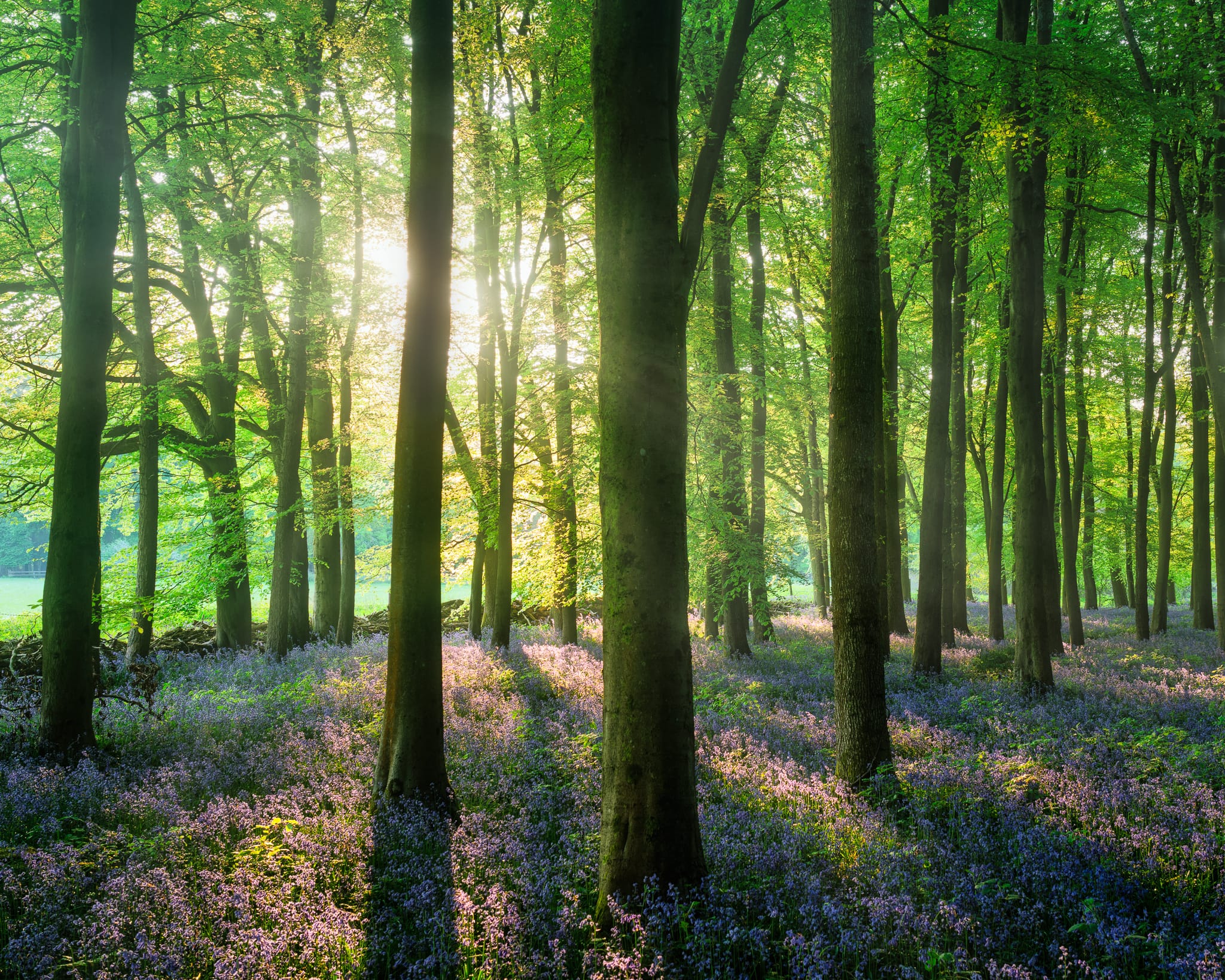
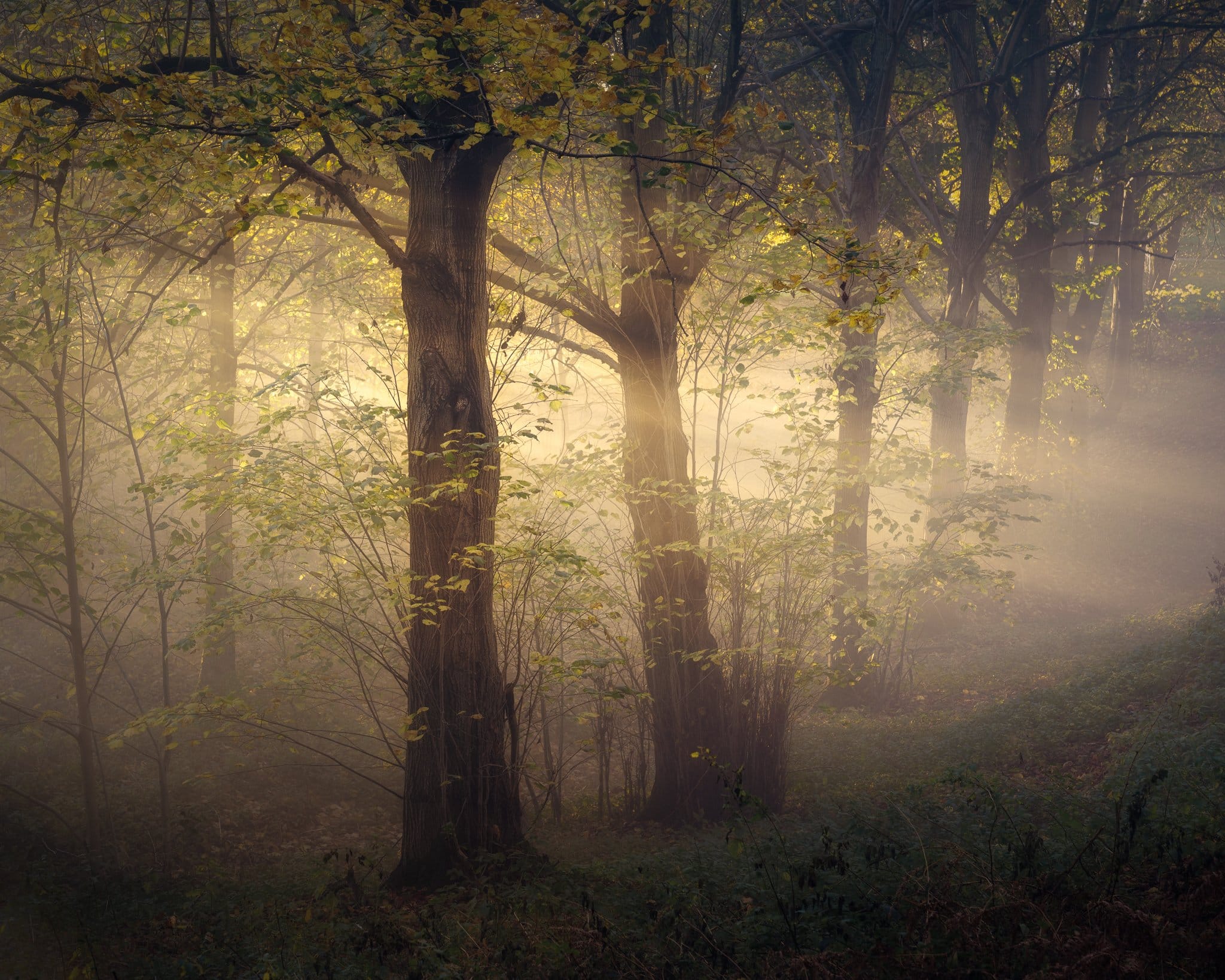
After a while, I started taking my camera with me. Not to make art, but because it helped me notice things. One rainy afternoon, I remember sitting under that oak, soaked to the bone, watching the light shift through the mist. The trees in the distance were disappearing in the downpour, while the leaves nearby almost glowed. And something in me softened.
It wasn’t a turning point in the dramatic sense. But it was the beginning of coming back to life. Quietly. Gently. Through presence. Through creativity.
From Healing to Living – to the Biggest Test Yet
Over time, those quiet walks and slow moments behind the camera became something more than a way to process pain. They turned into a way of living.
I wasn’t trying to reinvent myself — I just kept showing up. Sitting with the trees. Watching the light. Making images that felt honest, even if no one else ever saw them.
What started as a way to feel again gradually became a path. Not just for healing, but for living more fully and honestly. I felt more connected. More grounded. More aware of what actually mattered to me.
And slowly, without forcing it, I began sharing that with others — first through conversations, then workshops, and eventually, through coaching.
And then, years later, life threw something else at me. I was hospitalised with sepsis. I was put into a coma for a month. Multiple organ failure. Nine weeks in hospital. For a while, it wasn’t clear I’d come home at all. The doctors were preparing my family for the worst.
But here’s the thing: though my body was broken, I didn’t fall apart. I was scared, but not panicked. Just still. Present. Grateful. Deeply grateful.
All the work I’d done, all those years of learning to slow down, to notice, to be present — to be as close to my true self as I could — it held me together.
Coming back from something like that isn’t quick. But I came back with clarity. With purpose. And with an even deeper belief that the path I was on really matters — and that I want to help others find their own version of it.
An Invitation to Begin
Today, I help others reconnect with themselves — through photography, through creativity, through time in nature. Not as an escape, but as a way back.
Whether you’re feeling lost, overwhelmed, stuck in your head or simply tired of rushing through life, you’re not alone.
I don’t have all the answers. But I know how to listen, how to slow down, and how to walk alongside people as they rediscover what really matters to them.
If something in this story resonates, there are a few ways I can help.
Whether you’re looking to grow your photography, reconnect with nature or simply feel a bit more grounded, you’re not alone.