
1-2-1 Woodland Photography Workshops in the UK
Reconnect with Nature. See Differently. Photograph with Purpose.
Join me in the forest for a private, tailored woodland photography workshop. Perfect for beginners, hobbyists, or anyone looking to slow down, reset and grow their skills in a peaceful, natural setting.
No pressure. No group. Just calm, creative exploration with your camera.
Most guests leave with more confidence, and a new way of seeing.
A Different Kind of Photography Workshop... One That Meets You Where You Are.
Personal Guidance
You’ll get focused help on exactly what you want to improve - no guessing, no group agenda.
Calm Environment
We go slow and stay present. There’s time to breathe, to notice and to create without rushing.
Your Chosen Location
We’ll meet somewhere that suits your goals - and where you’ll feel comfortable and inspired.
Learn at Your Pace
Whether you're just starting out or looking to break through a creative block, we go at your speed.
Most workshops throw you into a busy group and hope you keep up.
This is different.
My one-to-one workshops are built around what you need most right now - whether that's clarity, confidence, technical help or just space to reconnect with photography.
I’ll meet you where you are, and we’ll walk forward together — through the forest, and through your creative growth.
Want to share the experience with a friend or partner? You can bring them along for a 2-to-1 session, providing personalised photography tuition for both of you. Perfect for shared learning and making memories together. Choose this option during the booking process.
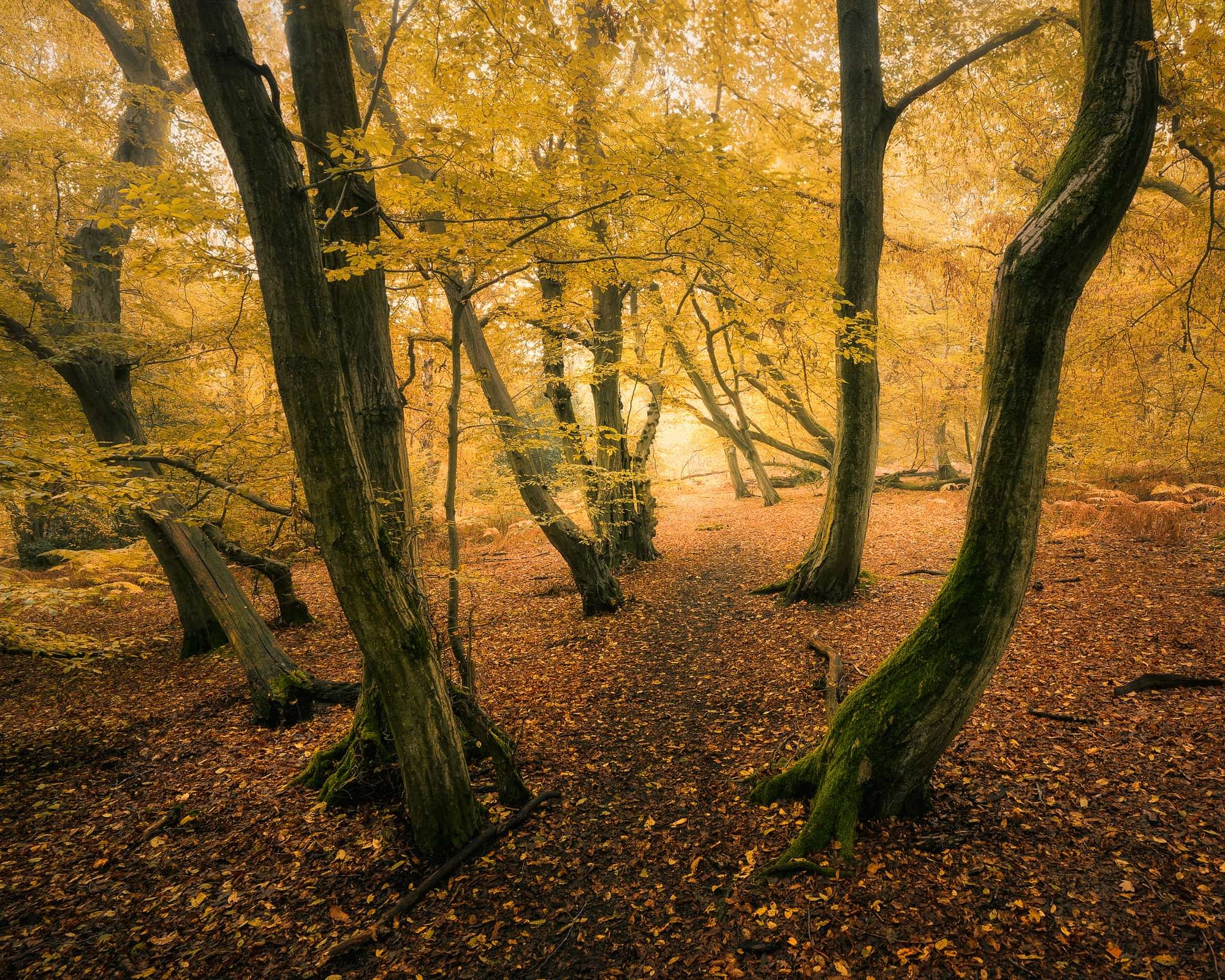
More Than Just Settings and Sharpness. Let’s Make It Meaningful.
This isn't about chasing perfect settings or ticking technical boxes. We’ll shape the day around you - what you want to learn, where you want to go and how you want to grow.
Whether you’re just getting started or returning after a creative block, we’ll explore your questions together - with time, patience and a sense of curiosity. And while we’ll cover all the camera stuff… you'll also learn how to see differently, connect more deeply with nature and enjoy the process again.
Use What You Already Have
No need for fancy kit. I’ll help you get the most from the gear in your bag.
Pick the Right Location
We’ll choose a place that matches your goals, confidence level, and creative energy.
Be Kind to Your Process
It’s normal to get stuck. I’ll help you work gently through self-doubt and creative blocks.
Explore With Curiosity
You’ll come away not just with new skills, but with a new way of seeing the world around you.
What Others Found in the Forest...
Each person came with different hopes - to learn, to feel calmer, to reconnect. Here’s what they took away.
“The one-day workshop I did with Tim was an absolute revelation. I learnt so much!
Before the workshop, I wanted to spend more time taking photos of trees...
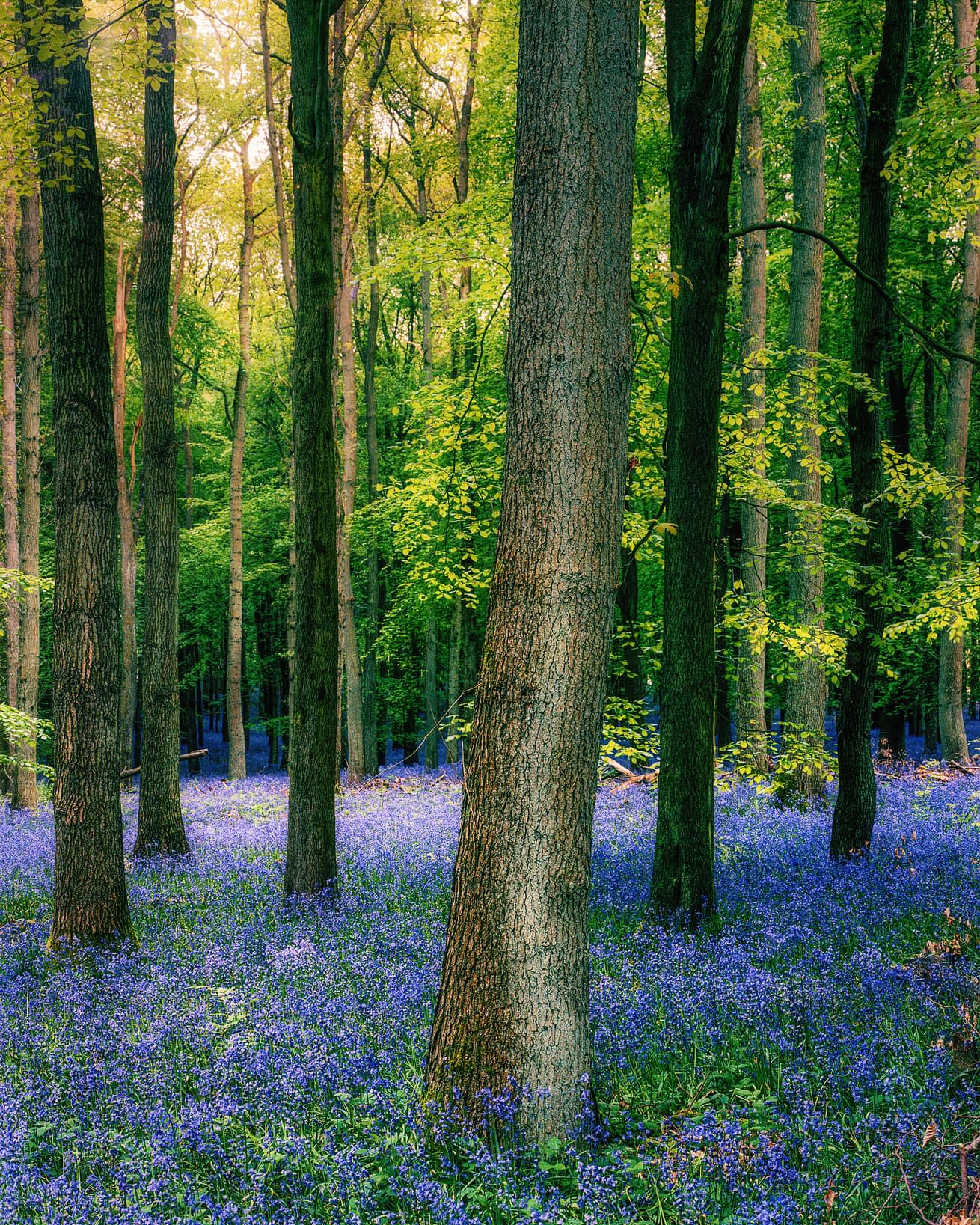
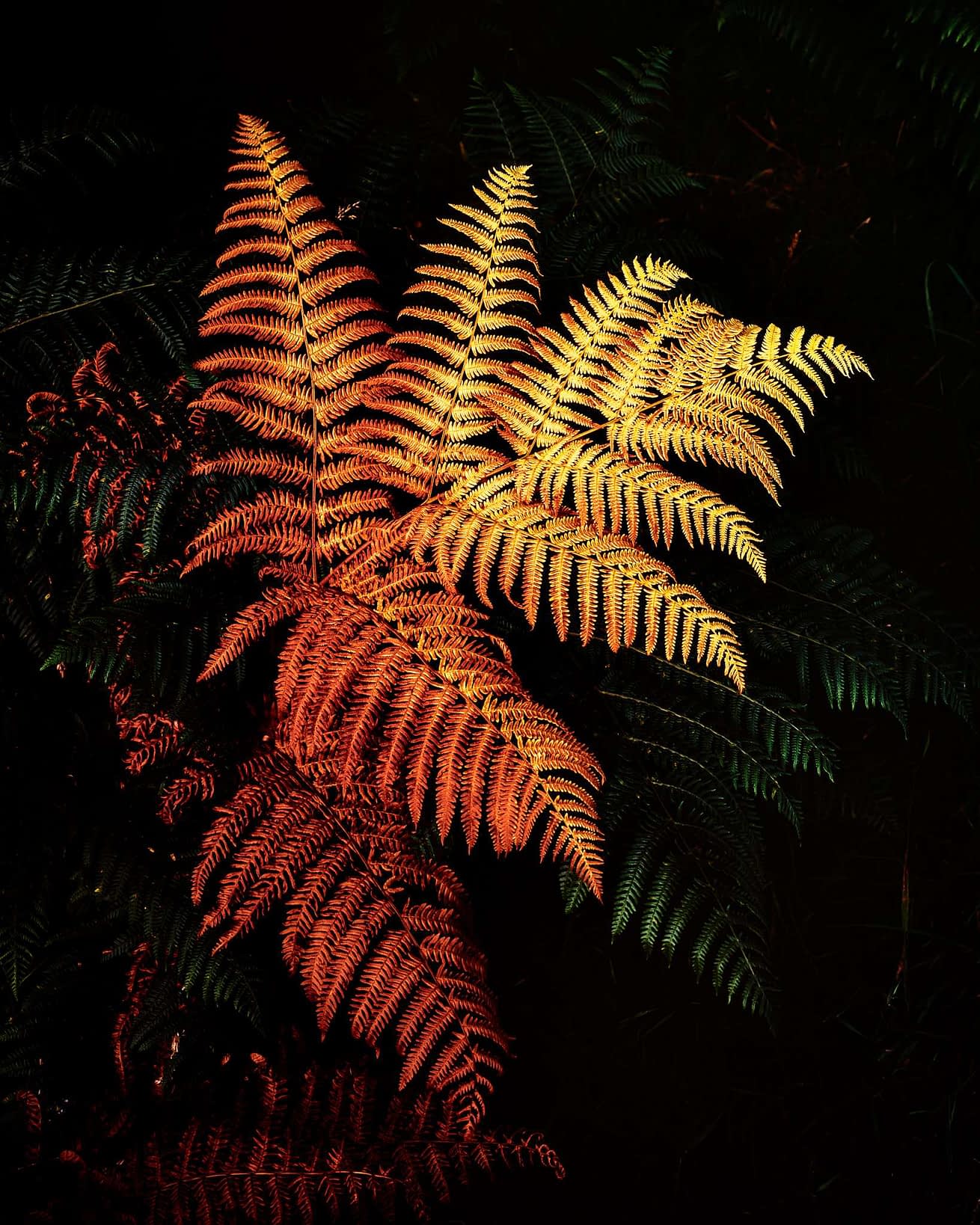
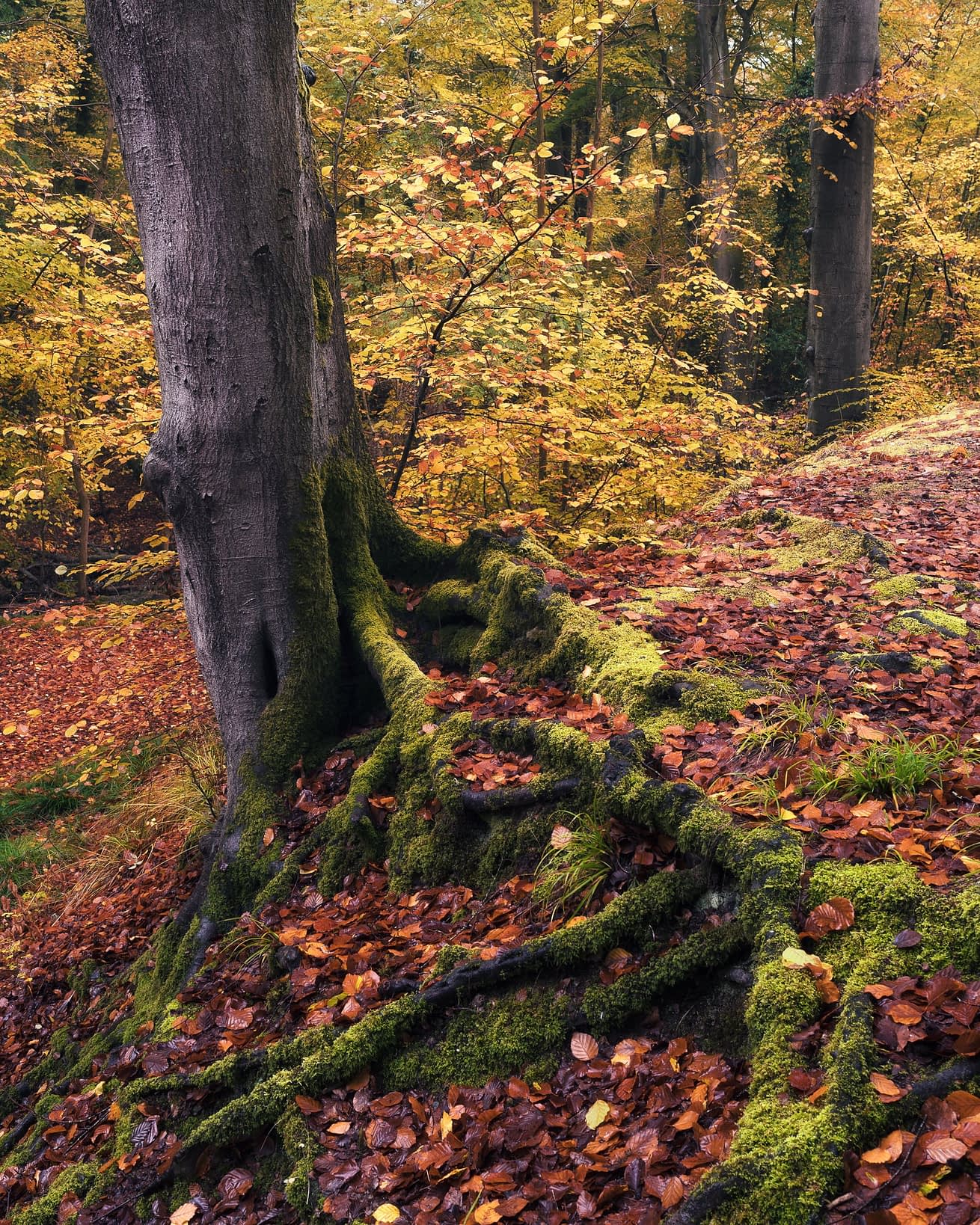
Give Back to the Woods That Give So Much.
When you book a workshop, you're not just investing in your creativity - you're also helping protect the woodlands we explore together.
A portion of every booking is donated to UK-based rewilding and forest restoration projects. That means more native trees, more biodiversity, and more spaces where people (and nature) can thrive.
This is personal for me. The woods gave me so much during difficult years. This is one way we give something back.
Grow Your Confidence
One-to-one support, no pressure - just space to find your rhythm and trust your eye.
Learn New Skills
Whether it’s mastering light or refining composition, we’ll focus on what matters most to you.
Reconnect With Nature
Step away from screens, stress and the rush. Rediscover peace and perspective among the trees.
Ready to elevate your photography skills? Let’s capture the magic of the forest together. Book Your Workshop Today.
Book Your Personal Workshop
1–2–1 tuition starts from £199 for a half-day session.
Want to bring a friend? Choose a 2-to-1 session for £349. It's a shared learning experience that offers great value for both of you.
Dates are flexible to suit your schedule, but availability is limited - especially in peak seasons.
About Your Tutor
I’ve photographed everything from ancient forests to multi million-pound homes - but it’s the woods that keep calling me back.
Over the years, I’ve helped hundreds of people slow down, see differently and rediscover their creativity through photography. My workshops are gentle, focused and shaped entirely around you - no pressure, no jargon, just real progress.
I’m calm, honest and endlessly curious. If that sounds like your kind of learning environment, I’d love to walk the woods with you.
What Others Say After a Day in the Woods...
Every person brings something different. Some come for confidence, some come to learn technical skills and some come for clarity. Here's what a few more had to say about their experience.
“The one-day workshop I did with Tim was an absolute revelation. I learnt so much!
Before the workshop, I wanted to spend more time taking photos of trees...
Book Now
Your journey to mastering woodland photography starts here. Choose your workshop, bring a friend or partner if you'd like, and begin creating unforgettable images today.
Half-day 1-to-1 Woodland Photography Workshop
3 hours of personal tuition, tailored to your pace and goals.
£199 (1 person) / £349 (2 people)
Full-day 1-to-1 Woodland Photography Workshop
6 hours of immersive learning and creative exploration, plus an editing session afterward.
£329 (1 person) / £549 (2 people)
My workshop places are limited each month, so book today to secure your spot!
Got Questions Before You Book?
Here are some common things people ask before booking a workshop.
What if I’m a complete beginner?
That’s absolutely fine. Many people who book are still getting to grips with their camera. These sessions are calm, supportive and built entirely around your level and pace.
What happens if it rains?
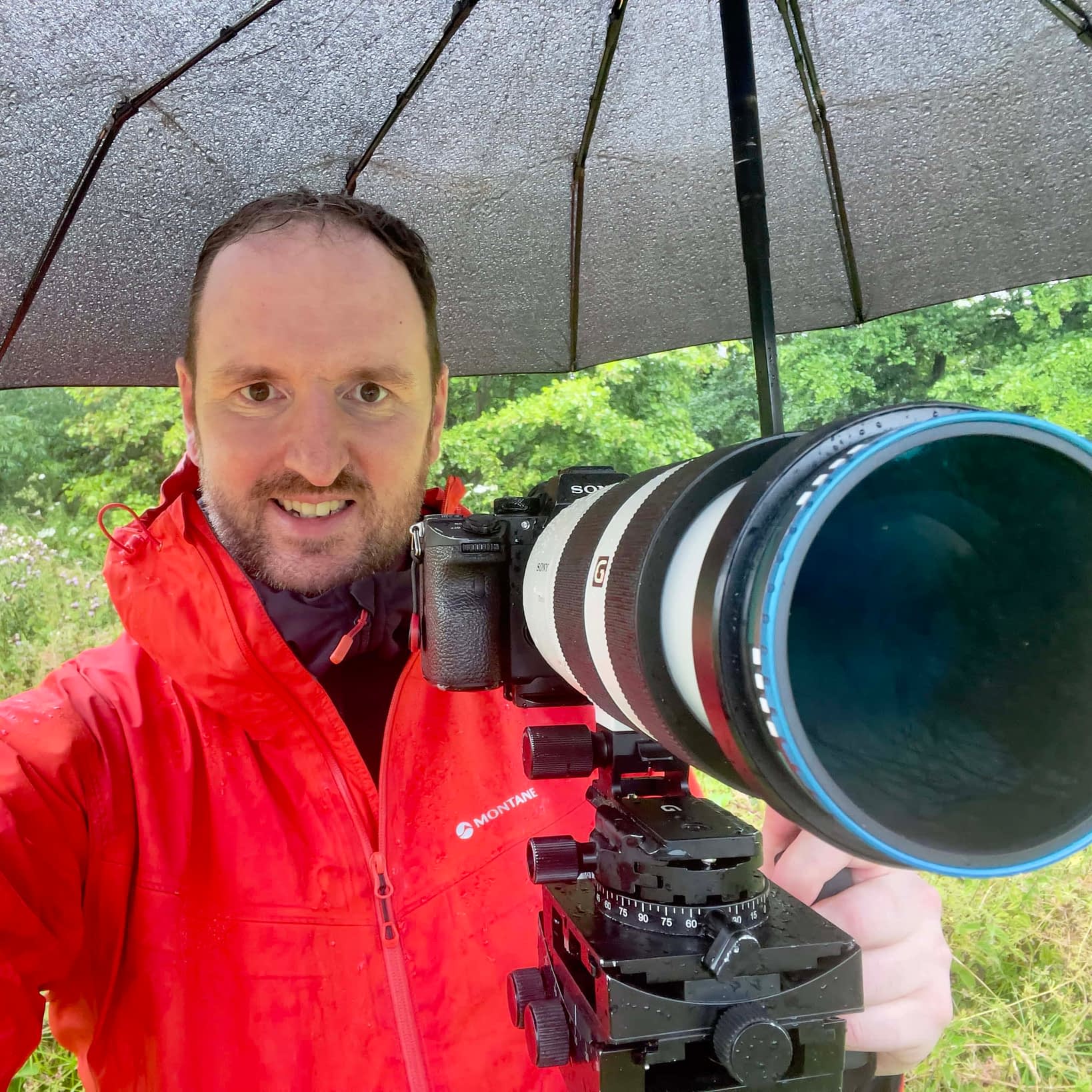
Woodland photography can be beautiful in all weather - indeed, some of my favourite photos have been made in heavy rain - but safety is paramount. If conditions are truly unsafe or you'd prefer to reschedule, we’ll sort a new date at no extra cost.
Do I need a fancy camera or expensive kit?
No. Whether you're using a DSLR, mirrorless, or even a bridge camera, we’ll work with what you have. It’s much more about how you see than what you're shooting with.
Can I bring someone with me?
Yes, you can book a 2-to-1 workshop and bring a friend, partner or family member. It’s a lovely shared experience and you'll both receive guidance during the day.
Can I give this as a gift?
Of course you can. Just drop me a message after booking and I’ll create a printable gift voucher with your chosen message and date flexibility built in.
Where do the workshops take place?
We'll choose a woodland location based on your preferences, confidence level, and travel distance. I often run sessions in Hertfordshire, Essex, Buckinghamshire, and surrounding areas - but I’m happy to discuss other options too.
What about footwear and fitness?
Some woodland paths can be muddy, especially after rain, so wellington boots, waterproof walking boots or sturdy walking shoes are best.
Most of the woods I use aren't particularly hilly, but there may be short uphill or downhill sections along the way. You don’t need to be super fit - we’ll go at a relaxed pace and I’ll always adapt the route to suit your comfort and energy levels.
Feel More Confident in the Forest With These 5 Simple Tips
Whether you're just starting out or feeling a bit stuck, these practical tips will help you see more clearly, compose with confidence, and enjoy your time in the woods - camera in hand.