Woodland photography location guide · Hertfordshire
Broxbourne Woods NNR.
Eight adjoining ancient woods make up Hertfordshire's only National Nature Reserve, with some of the most characterful hornbeams in the county.
Updated on 6 July 2026
Broxbourne Woods at a glance.
County Hertfordshire, between Broxbourne and Hertford.
Best for Hornbeam coppice and pollards, wood anemones, lingering fog, untouched snow.
Access Open at all hours, so first light is never a problem. Keep to the boardwalks where they exist.
Nearest Station Bayford, walkable to Broxbourne Wood.
Size and type A National Nature Reserve of eight adjoining ancient woods: Wormley Wood, Nut Wood, Bencroft Wood, Broxbourne Wood, Danemead, Hoddesdonpark Wood, Broad Riding Wood and Thunderfield Grove.
Peak season Mid October to mid November for autumn colour. Mid April for the wood anemones. Also ensure to visit in snow.
Parking Bencroft Wood east and west car parks, both EN10 7QN, off White Stubbs Lane. Broxbourne Wood east EN10 7QR, west SG13 8NZ. Danemead car park EN11 8GG on Cock Lane for Hoddesdonpark Wood (all free)
Nine years of visits
Eight woods that read as one.
The far end of Wormley Wood feels like the middle of nowhere. It is not: this is the edge of north London, and that contradiction is why I have been coming back to Broxbourne Woods since 2017.
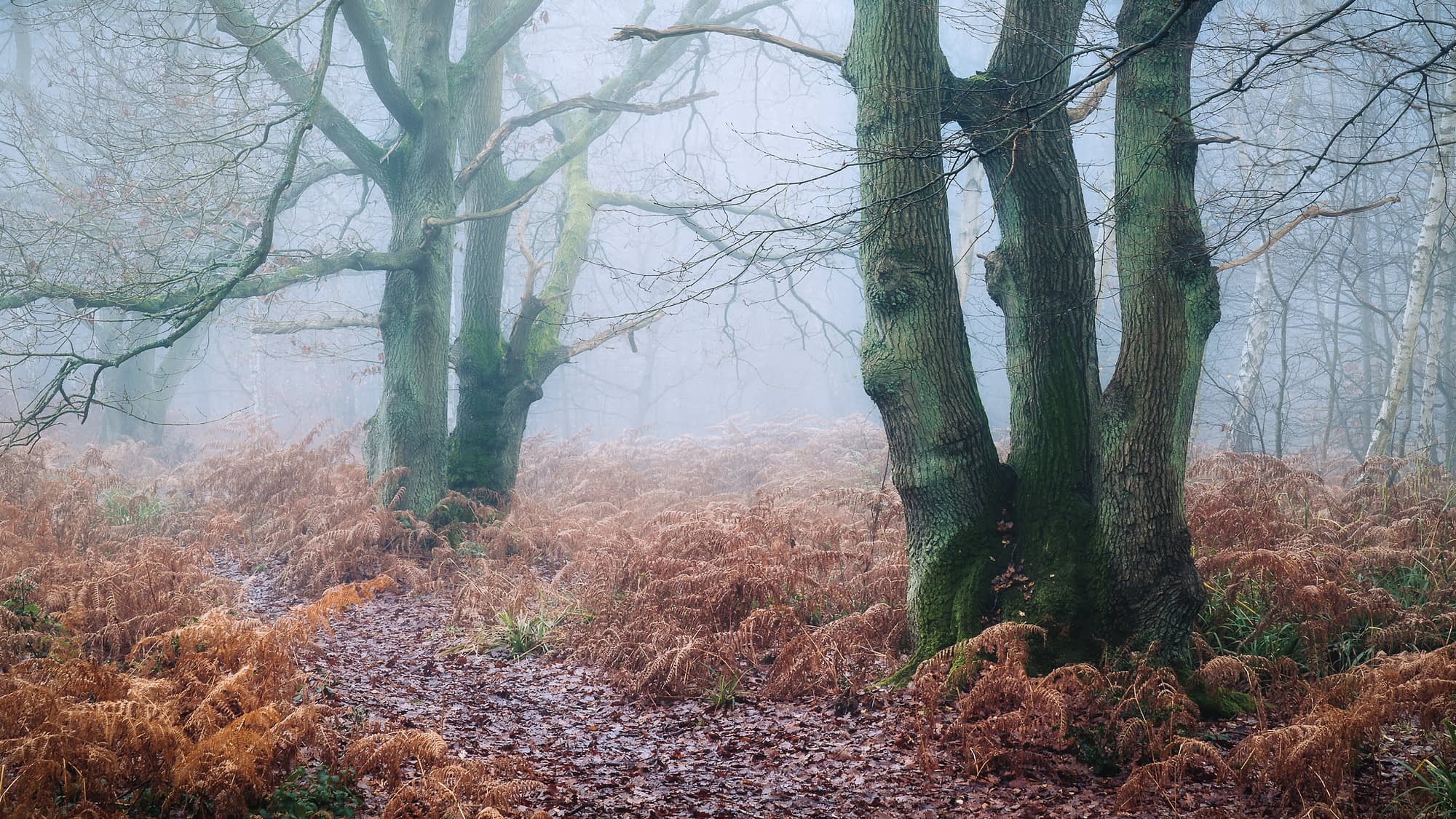
The reserve is really eight adjoining ancient woods: Wormley, Nut Wood, Bencroft, Broxbourne Wood, Danemead, Hoddesdonpark, Broad Riding and Thunderfield Grove. Together they form Hertfordshire's only National Nature Reserve. Ermine Street, the Roman road, runs through the reserve with old pollards lining it, and hornbeam has been coppiced here for well over three hundred years, back to the estates of Sir William Cecil, Elizabeth I's chief minister. The cutting never stopped shaping the place: multi-stemmed coppice stools and knuckled pollards are what a photographer meets here, and they are the reason to come.
My favourites are Hoddesdonpark Wood and Wormley Wood. They hold the most characterful trees and feel the most remote. But all eight repay attention, and the reserve rewards the photographer who treats it as one big wood with eight moods.
From this wood
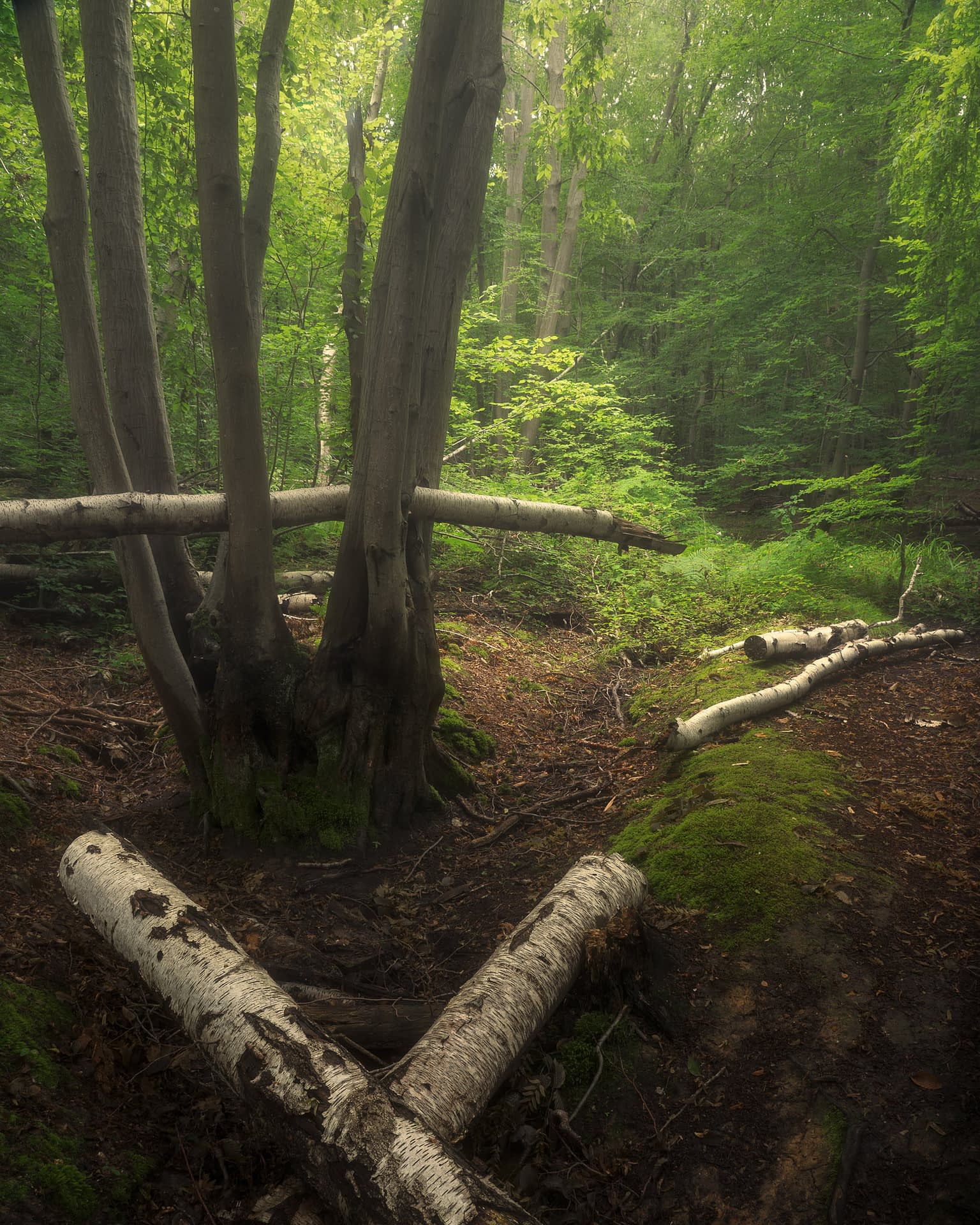
The coppice is the signature here. I look for patterns and shapes rather than single subjects.
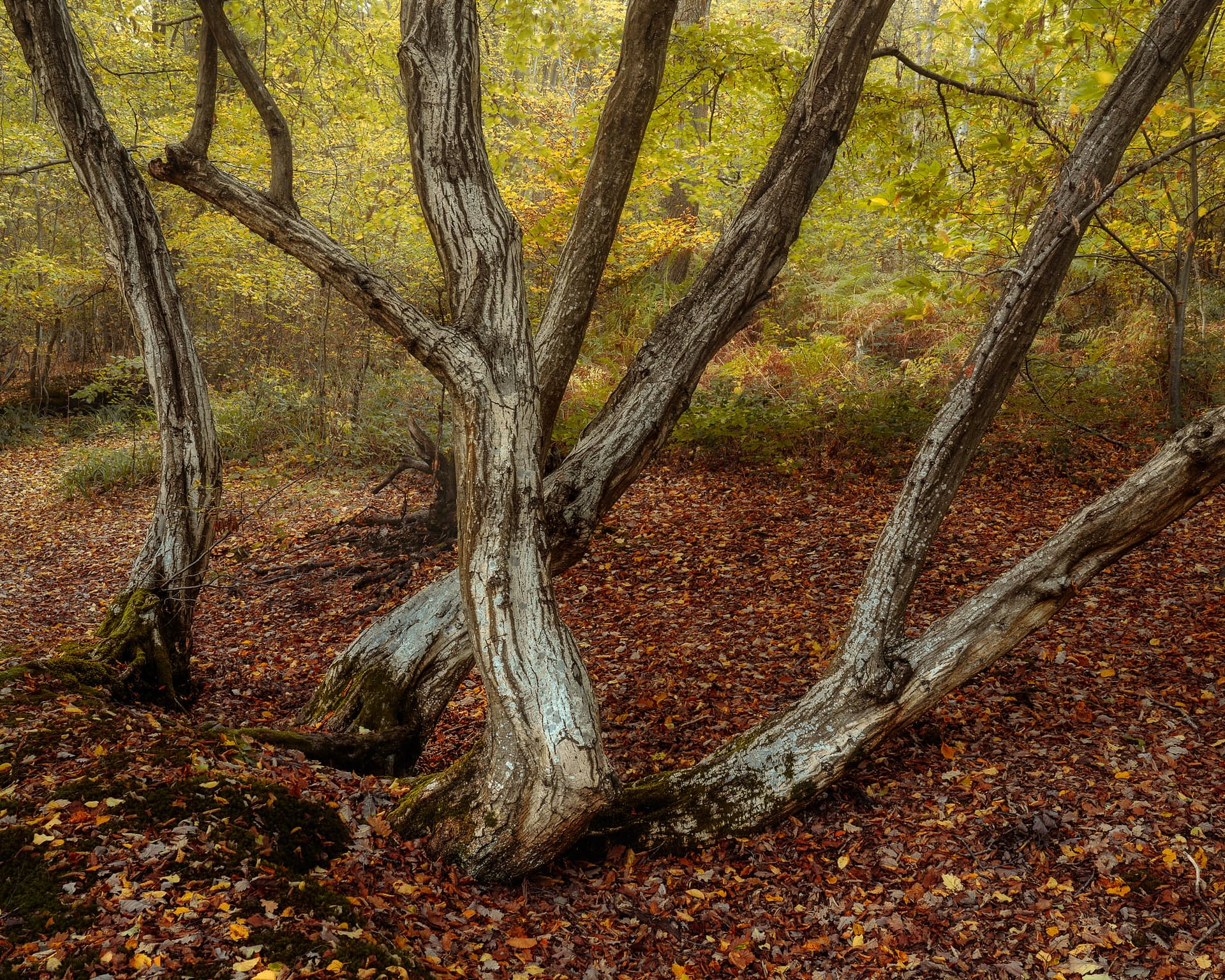
One of the old characterful trees. Centuries of cutting left forms like nothing else in Hertfordshire.
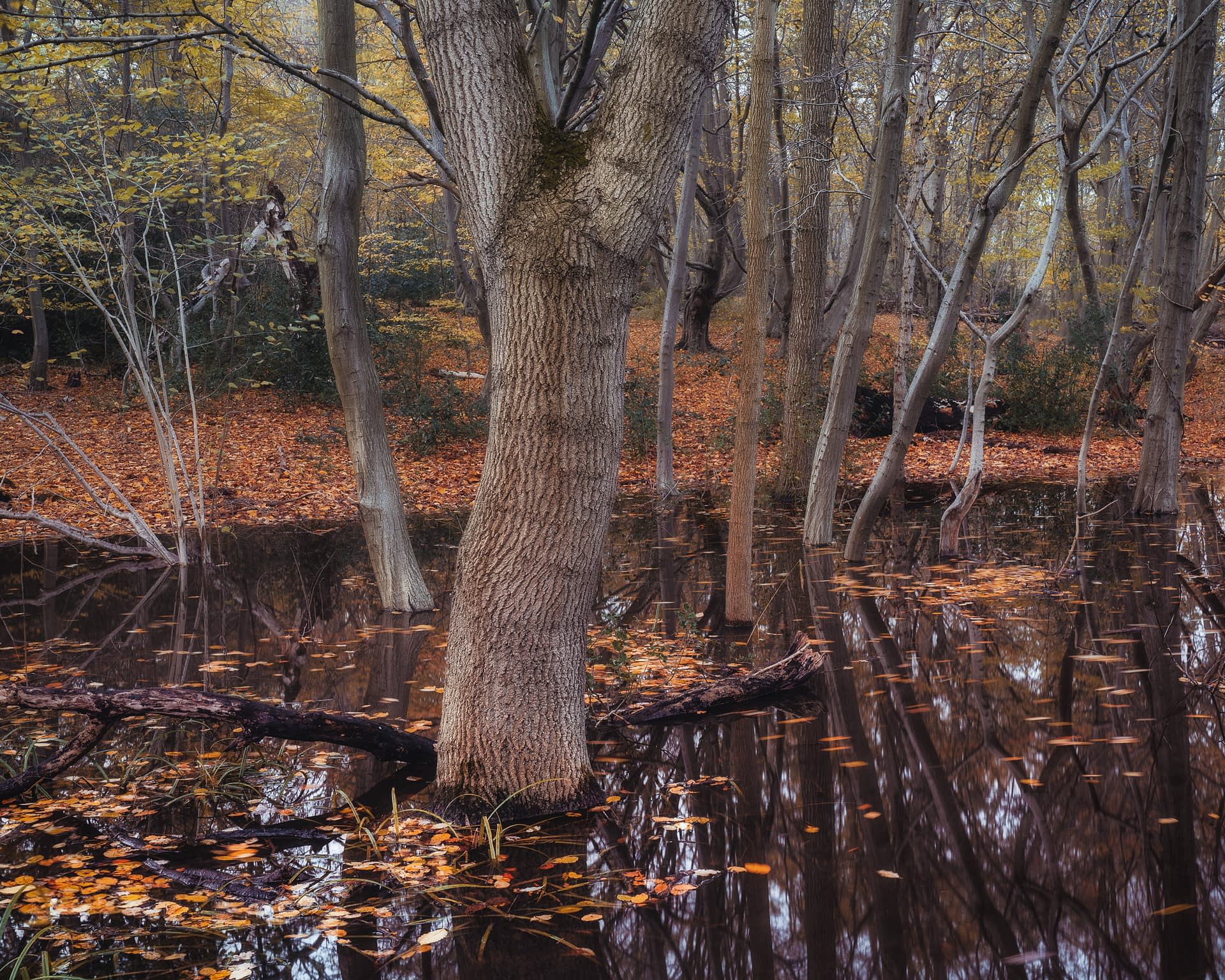
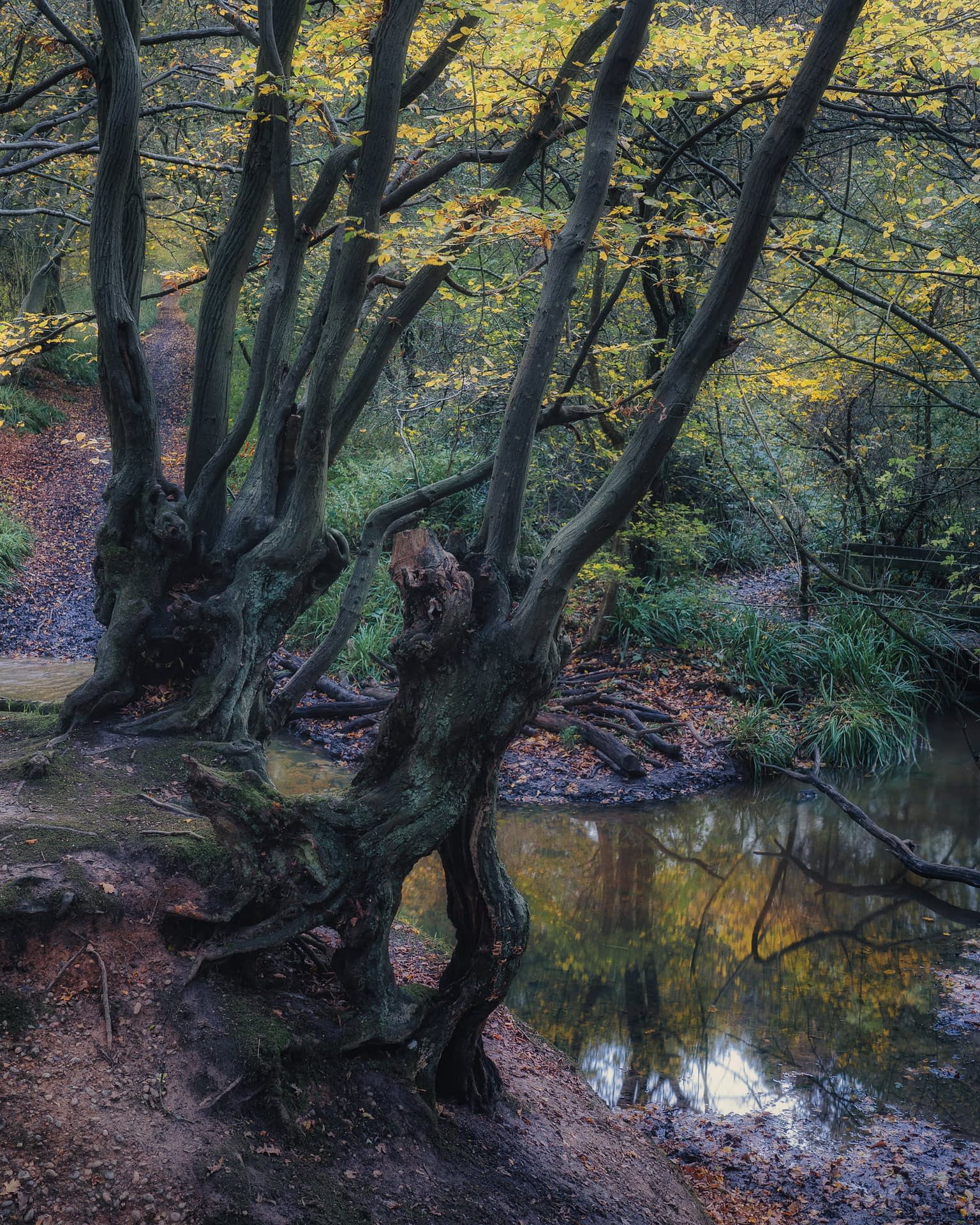
In autumn, a stream in one of these woods floods and puts the trees in water. I will leave you to find which.
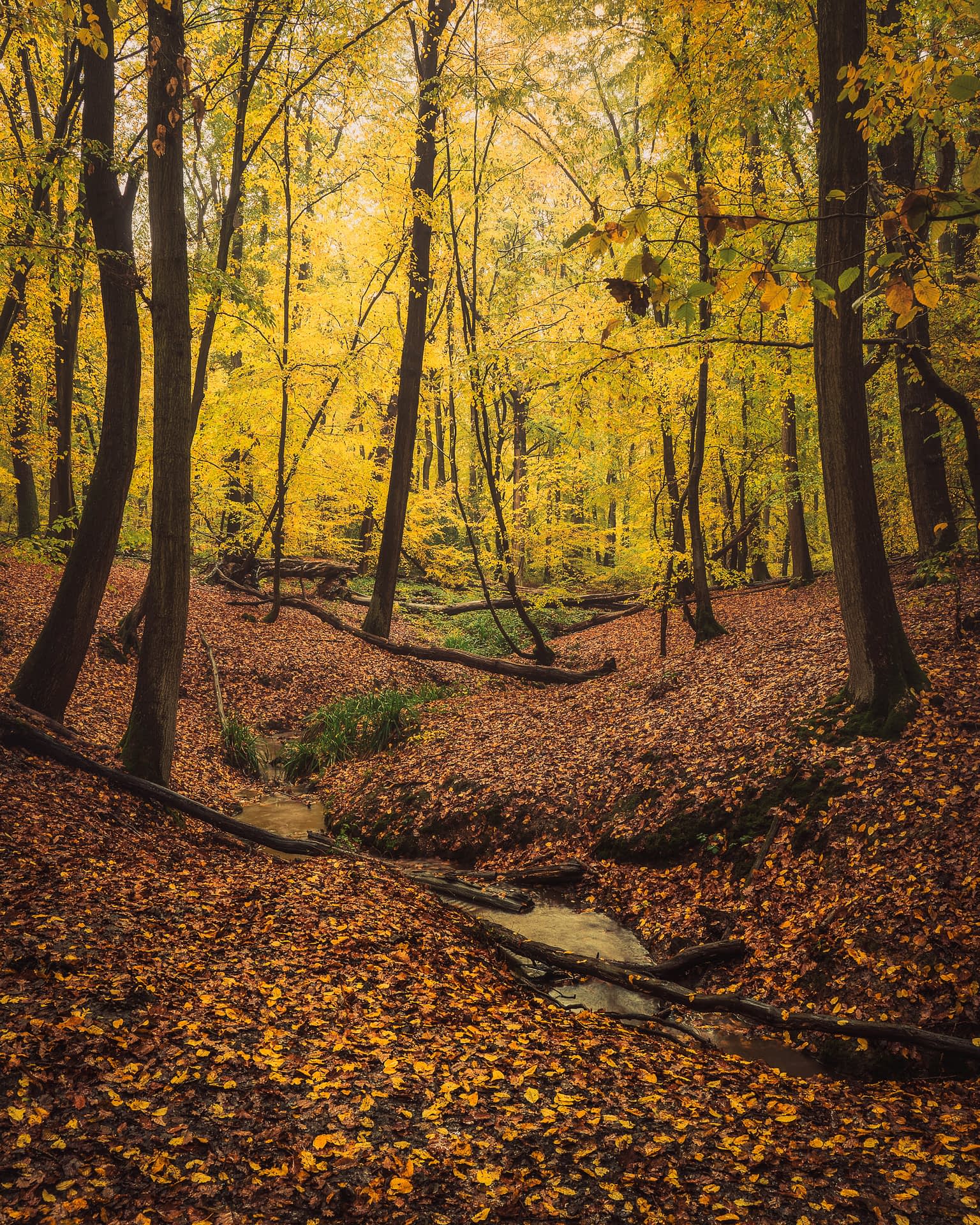
Autumn on the undulating ground in golden reflected light from the afterglow. The slopes put the wood behind your subject, not the sky.
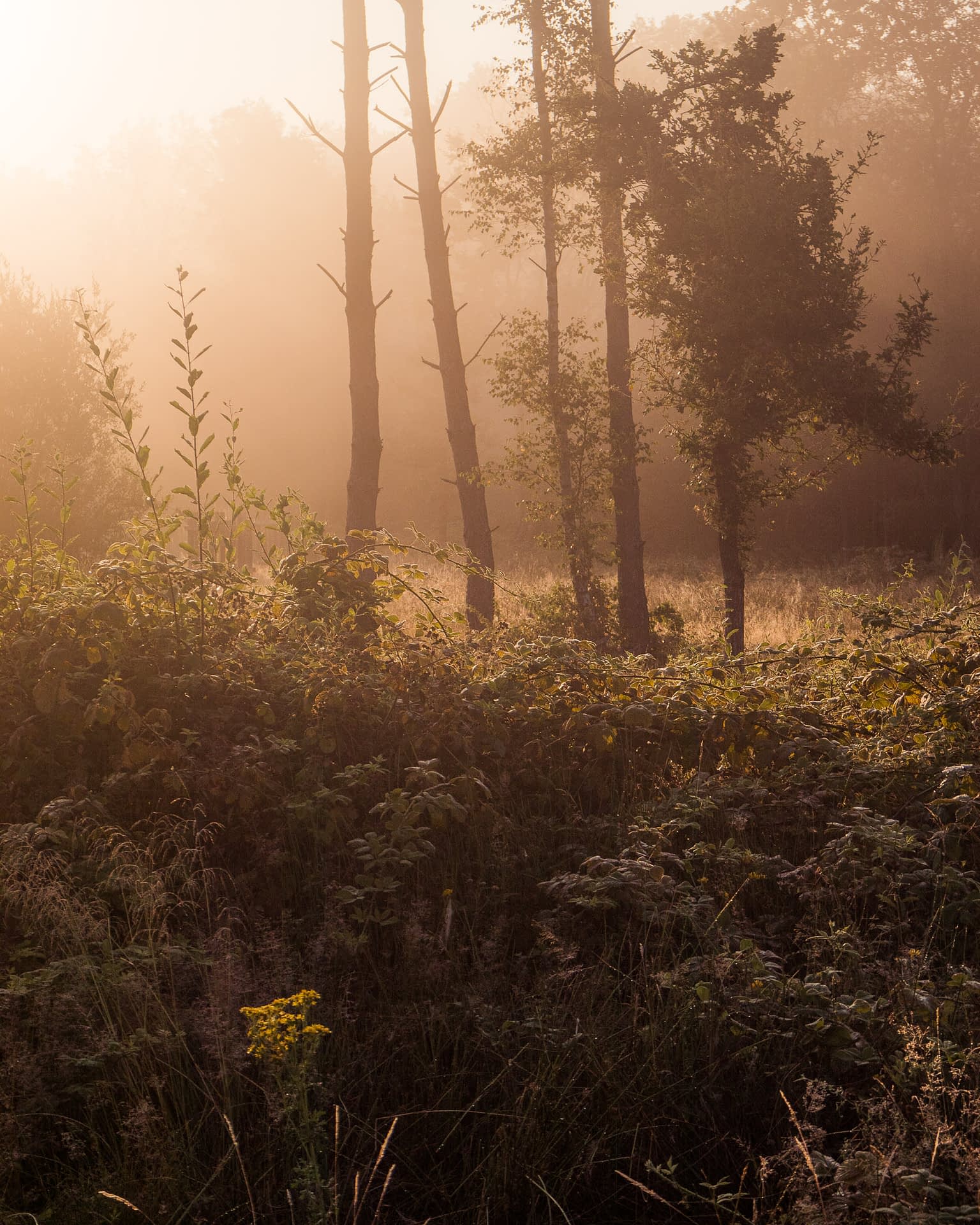
The wood edges in low raking sun, the one time I trade rain for light here.
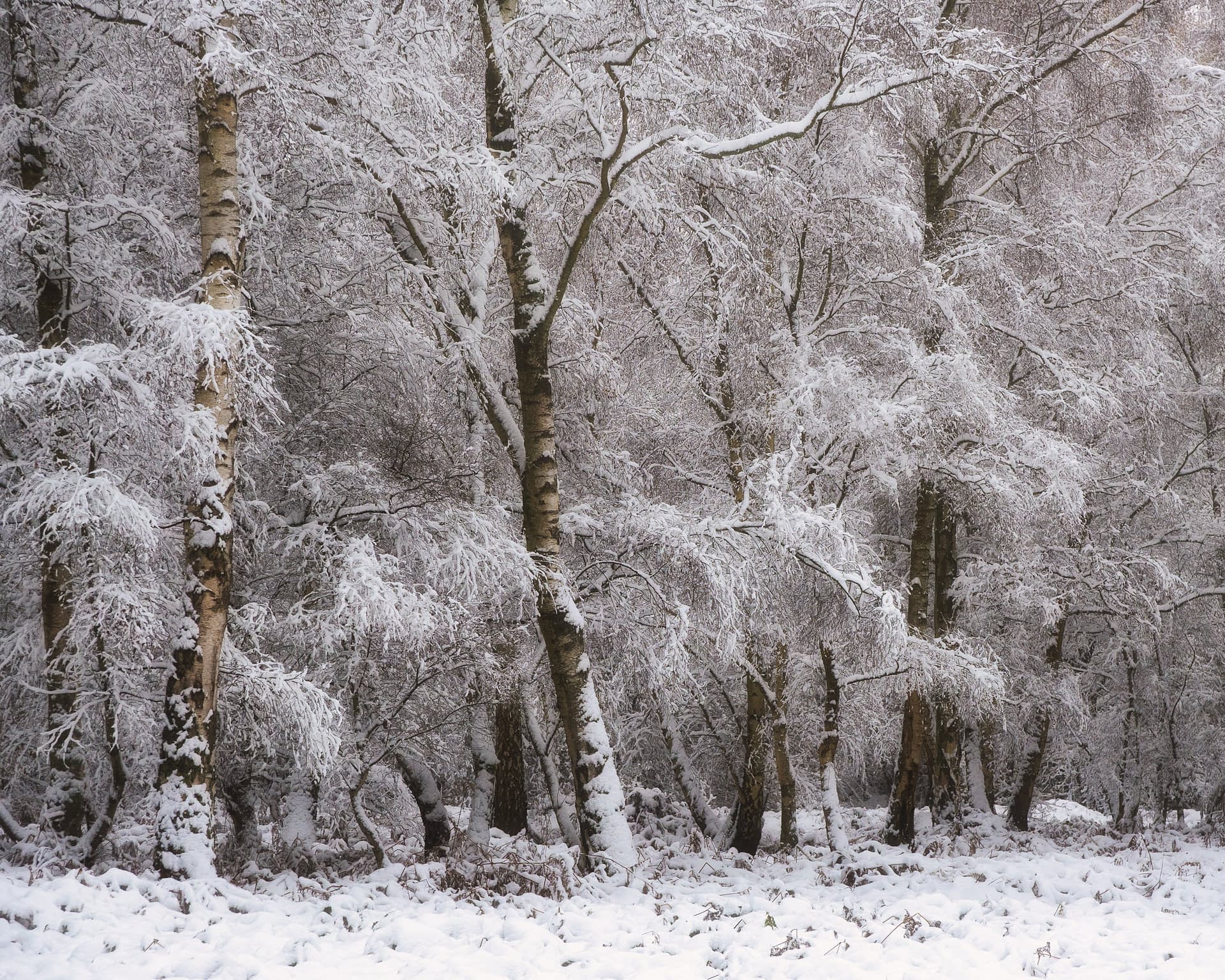
Untouched snow among the birches. It can lie here for days in the more remote parts of the woods.
Before you go
Visiting and shooting.
Getting there and parking.
Every wood has its own way in. Bencroft Wood has east and west car parks, both at EN10 7QN, off White Stubbs Lane and about 500 to 600 metres apart; the west one is also your access for Wormley Wood. Broxbourne Wood, one wood within the wider reserve rather than another name for it, has east and west car parks at EN10 7QR and SG13 8NZ. For Hoddesdonpark Wood, use Danemead car park at EN11 8GG on Cock Lane, or come in from the far end near Elbow Lane on Lord Street - there is space for a few cars in front of a cantilever gate at 51 45 45.4 N, 0 02 40.5 W (approximate GPS).
By public transport, Bayford station is walkable to Broxbourne Wood. Broxbourne station is a long walk, a couple of miles at least and most of it along country lanes, so treat it as a last resort.
Access and restrictions.
The reserve is open at all hours, which makes it one of the easiest ancient woods in the county for first light and last light. Parts of the reserve are board walked; keep to the boardwalks there, because the habitats around them are fragile.
Bencroft and Broxbourne Wood are the busiest woods, being closest to the main car parks. Go deeper and the reserve empties out quickly.
Best conditions and timing.
Fog, rain and snow. The fog lingers here, especially in winter, so unlike some woods you are not racing it. Rain is as productive as anywhere I shoot: overcast, wet days are my most reliable conditions at Broxbourne. And after snowfall the remote parts stay untouched for days.
Like every wood I know well, I visit in all conditions and adjust what I photograph to the weather and the light. This is a challenging reserve to photograph, and patience is rewarded: the more time you spend banking compositions, the more opportunities you have when the conditions turn incredible. I have written more about fog work in photographing woodland in fog.
The edges of the woods are worth exploring when low sun rakes across, but my most productive time here is rain or flat overcast.
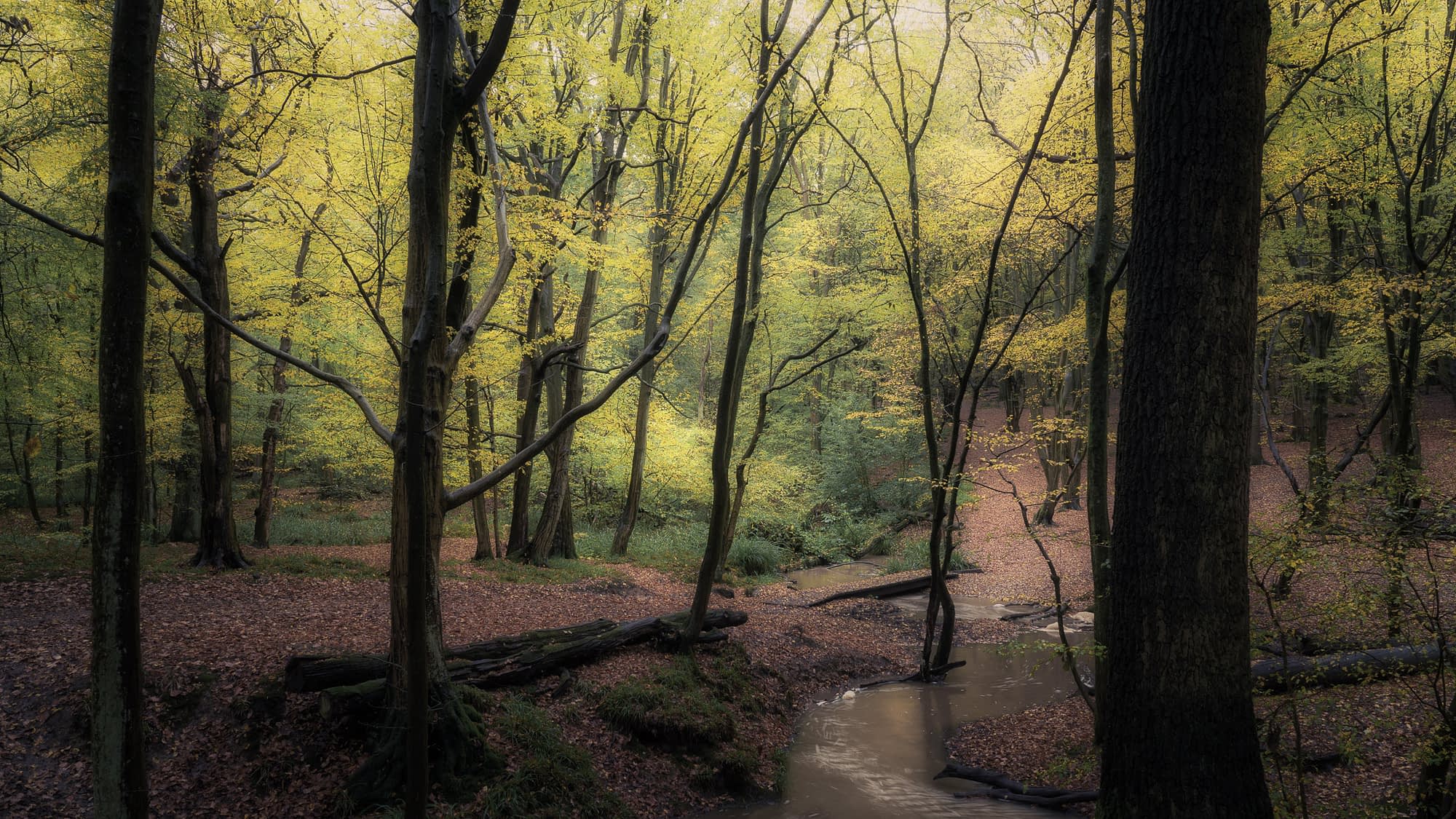
The wood in its element: wet, undulating and turning. The conditions most people avoid are the ones this reserve is for.
Subjects and compositions
What to photograph.
The coppice. Broxbourne's signature is the multi-stemmed hornbeam stool rather than the single trunk, and it changes how you work. Rather than hunting one clean subject, I look for patterns and shapes in the coppiced areas, or for an interesting tree I can anchor an image around. Dense areas like Hoddesdonpark Wood force this on you, and it is a discipline worth learning.
Characterful individual trees. The old pollards, the sessile oaks of Hoddesdonpark and the veterans along the ancient wood banks make strong anchors. Wormley Wood holds the best of them.
Standing water and reflections. There is standing water in parts of the reserve. Some of it is ponds, though I daren't call all of it that, because some dries up in summer. When it is there, it creates short-lived opportunities for reflections. And in autumn, a stream in one of the woods floods and puts trees standing in water, which is a subject you would not expect this close to London. I will leave which wood that is for the keen explorer to find.
Wood anemones. Some of the best displays I have seen in Hertfordshire, arriving in early spring and at their best in mid April. The finest area I know is around the medieval moat in Hoddesdonpark Wood.
Wildlife, in passing. Wormley Wood is home to the Purple Emperor butterfly, which will interest nature photographers in July, though I rarely photograph butterflies myself. The NNR Trail is waymarked with white admiral discs, and that butterfly is here too.
The elevation. Gentle by national standards, but genuinely undulating for the edge of north London. Slopes give you what flat woods never do: the chance to put rising ground behind a subject instead of sky. If you have fought the sky problem at Hainault Forest, this is the antidote.
Identification and character
Tree species.
Hornbeam. The defining tree, here in two forms: coppice stools, multi-stemmed and pattern-rich, and pollards, single-trunked and knuckled, including old trees along Ermine Street and the ancient wood banks. Autumn turns the canopies yellow; rain darkens the trunks and does the forms a favour.
Sessile oak. Hoddesdonpark Wood in particular holds them, taller-feeling and straighter than the hornbeams around them, good for structure in an otherwise dense wood.
Silver birch. Genuinely worth seeking here. The pale trunks read in even contrast against the darker mass of the wood, especially in winter and in fog.
Beyond those three the mix is the standard composition of ancient woodland in the south east, and the interest is in the forms the management left, not the species list. Parts of the reserve are also PAWS, plantations on ancient woodland sites, and slow restoration work is underway in these areas, returning them to something closer to the woods around them.
Timing
Seasonal highlights.
Winter. The season Broxbourne quietly excels at. Fog lingers here, especially in winter, rather than burning off. And after snow, the more remote parts of the reserve stay untouched for days, which is close to unheard of this near London.
Spring. The wood anemones, early in the season and at their best in mid April. Around the moat, early morning mist drifts in from the adjacent fields while the flowers are out, and that combination is the spring picture here.
High summer. Full canopy and deep shade. The season for the wood edges, and for checking what standing water has survived.
Autumn. Mid October through to mid November. The longer window than Hainault is down to the mix of trees and the undulating ground: parts of the reserve turn and drop faster than others, so there is nearly always somewhere at its peak. When conditions are right I am out here once or twice a week through the window. For reading the seasons generally, see the best time for woodland photography.
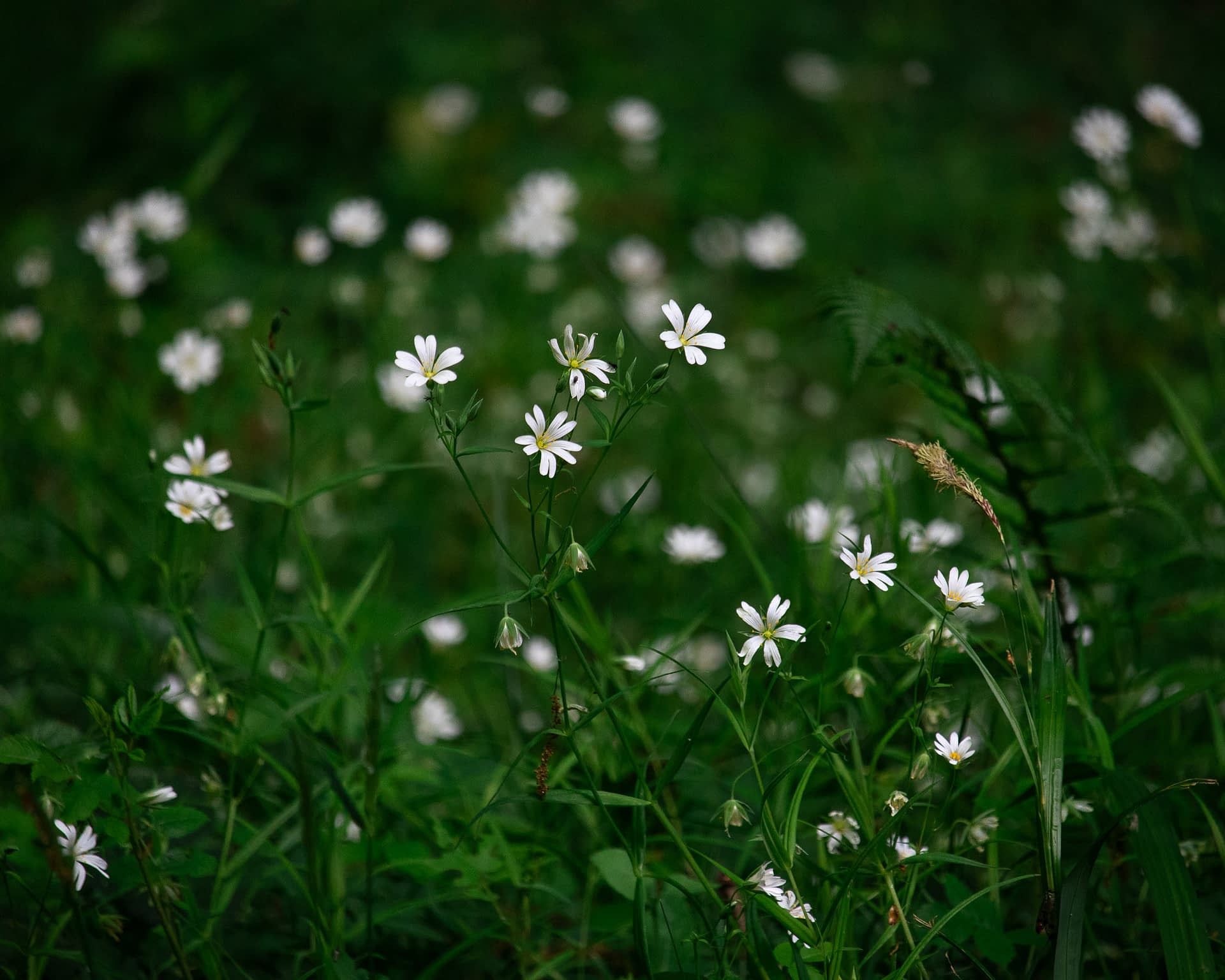
Spring
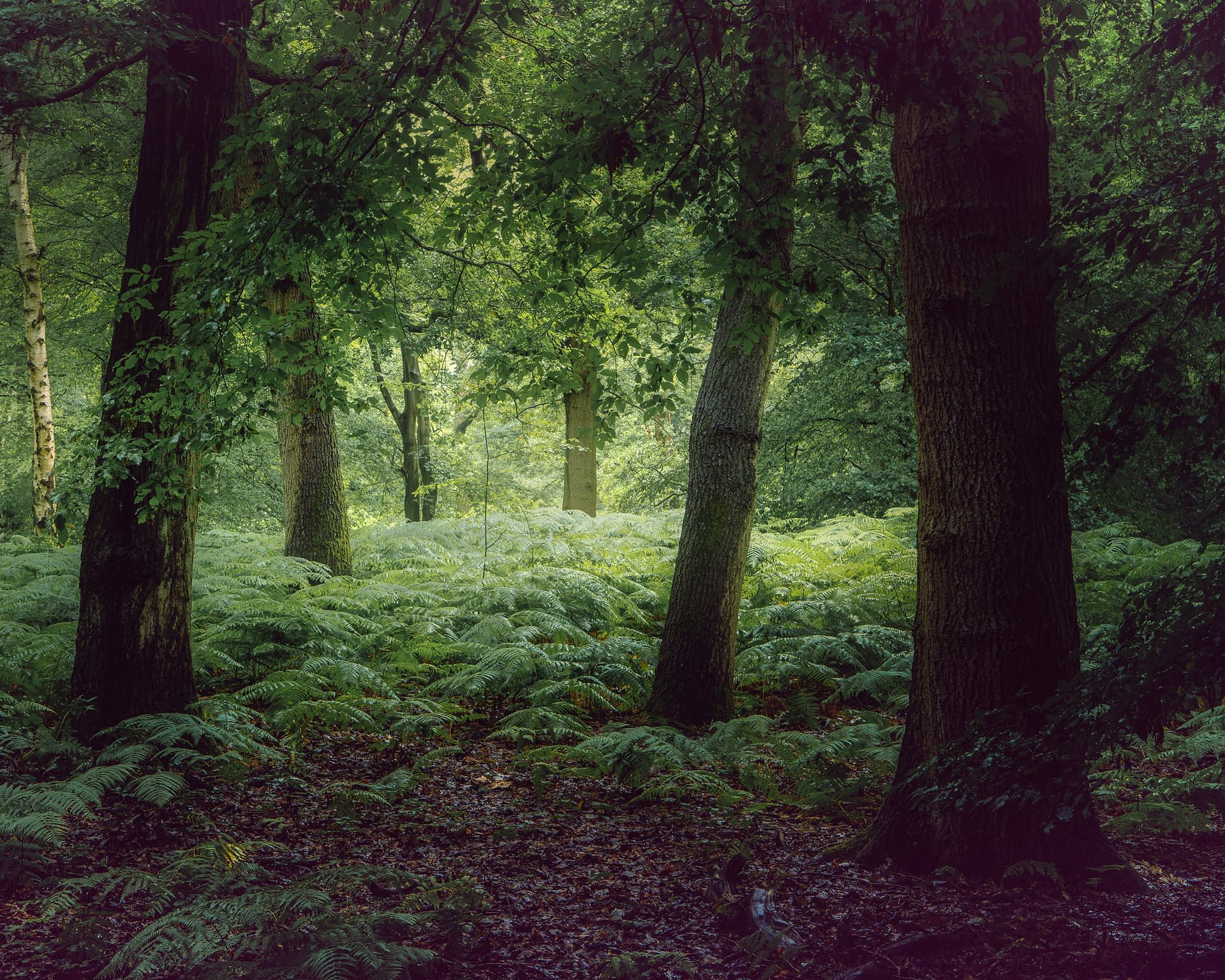
Summer
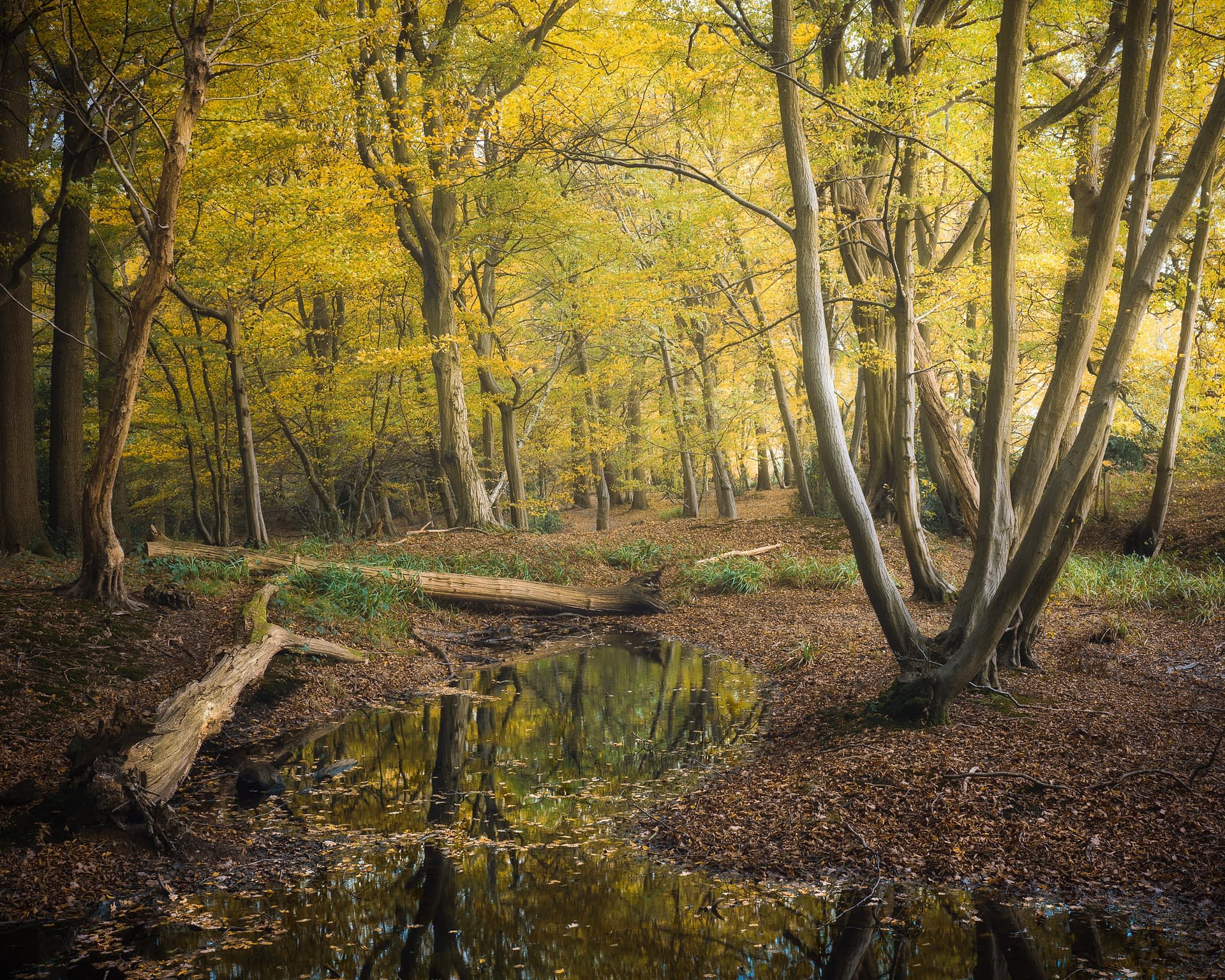
Autumn
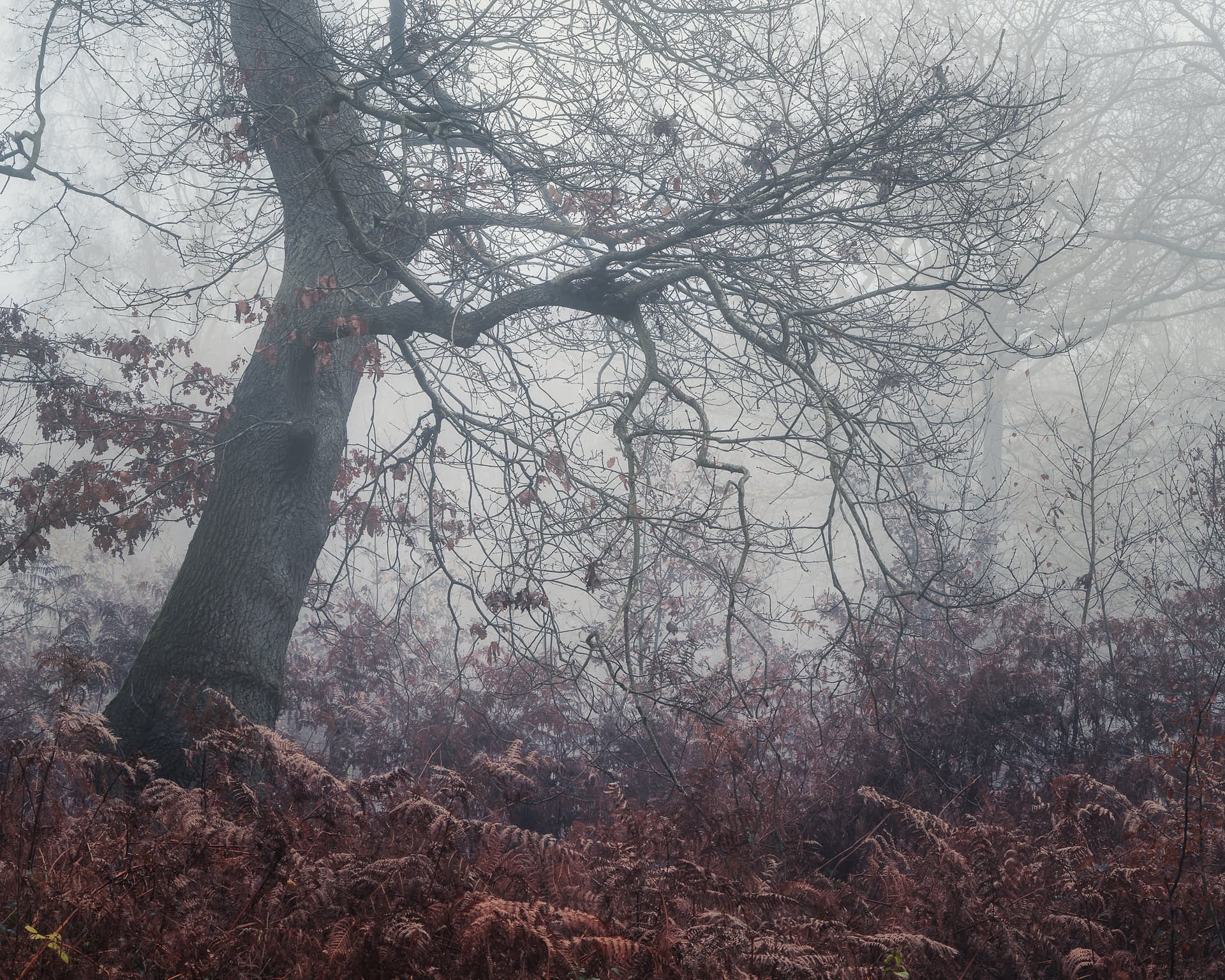
Winter
Four ways in
Areas to explore.
Hoddesdonpark Wood.
Sessile oak and pollarded hornbeam, and dense enough that pattern and shape matter more than single subjects. At its edge sits the medieval moat, a Scheduled Ancient Monument that once held a park keeper's lodge, and the wood anemones around it in April are the best I have seen in Hertfordshire.
CREATIVE TIP
Come for the anemones in mid April and arrive early. The moat sits at the wood edge, and morning mist drifts in from the adjacent fields while the flowers are at their best.
mindful moment
Stand by the moat at first light in spring. The mist arrives from the fields the way it must have for seven hundred years.
Wormley Wood.
The most characterful trees in the reserve, and the strongest feeling of remoteness. The far end of Wormley is the middle of nowhere, twenty miles from Charing Cross. Ponds and standing water gather here, giving you reflections when the weather has been wet.
CREATIVE TIP
Find one tree worth anchoring an image around, then work it properly. Wormley rewards depth over coverage more than any other wood in the reserve.
mindful moment
At the far end, stop at the standing water and wait for it to go still. Nothing about what you see says north London.
Bencroft and Broxbourne Wood.
The arrival woods, closest to the main car parks and the busiest, though busy here is relative. Broxbourne Wood holds the sculpture trail, with its carved oak figures. Both are worth working, especially their edges in low raking sun, before you go deeper into the reserve.
CREATIVE TIP
Treat these as your orientation woods. Learn the waymarked trails here first; the 17.5 kilometre NNR Trail runs as a figure of eight that splits into two 8 kilometre loops, and the markers are rarely far away throughout the reserve.
mindful moment
Look for reflections in the ponds, and intimate images among the newly planted saplings.
Danemead.
A nature reserve within the reserve, boardwalked in parts, and honestly the most challenging of the woods to photograph. Worth a visit all the same. There are pictures here; you just have to look harder.
CREATIVE TIP
The stream is where most of the creative opportunities are, using it as an anchor in the frame.
mindful moment
Danemead makes you look harder. Treat that as the point rather than the problem.
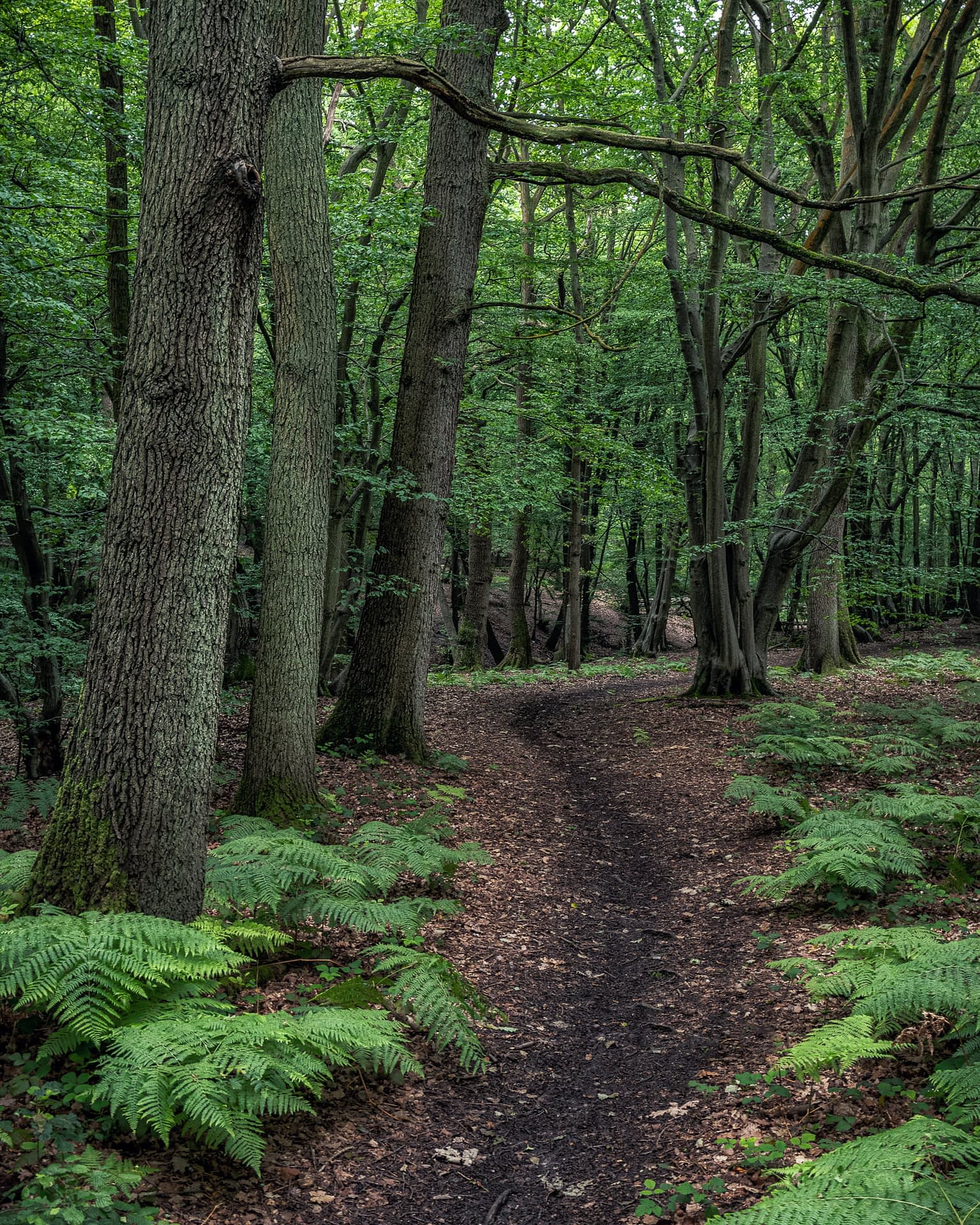
The far end of Wormley Wood. The middle of nowhere, twenty miles from the centre of London.
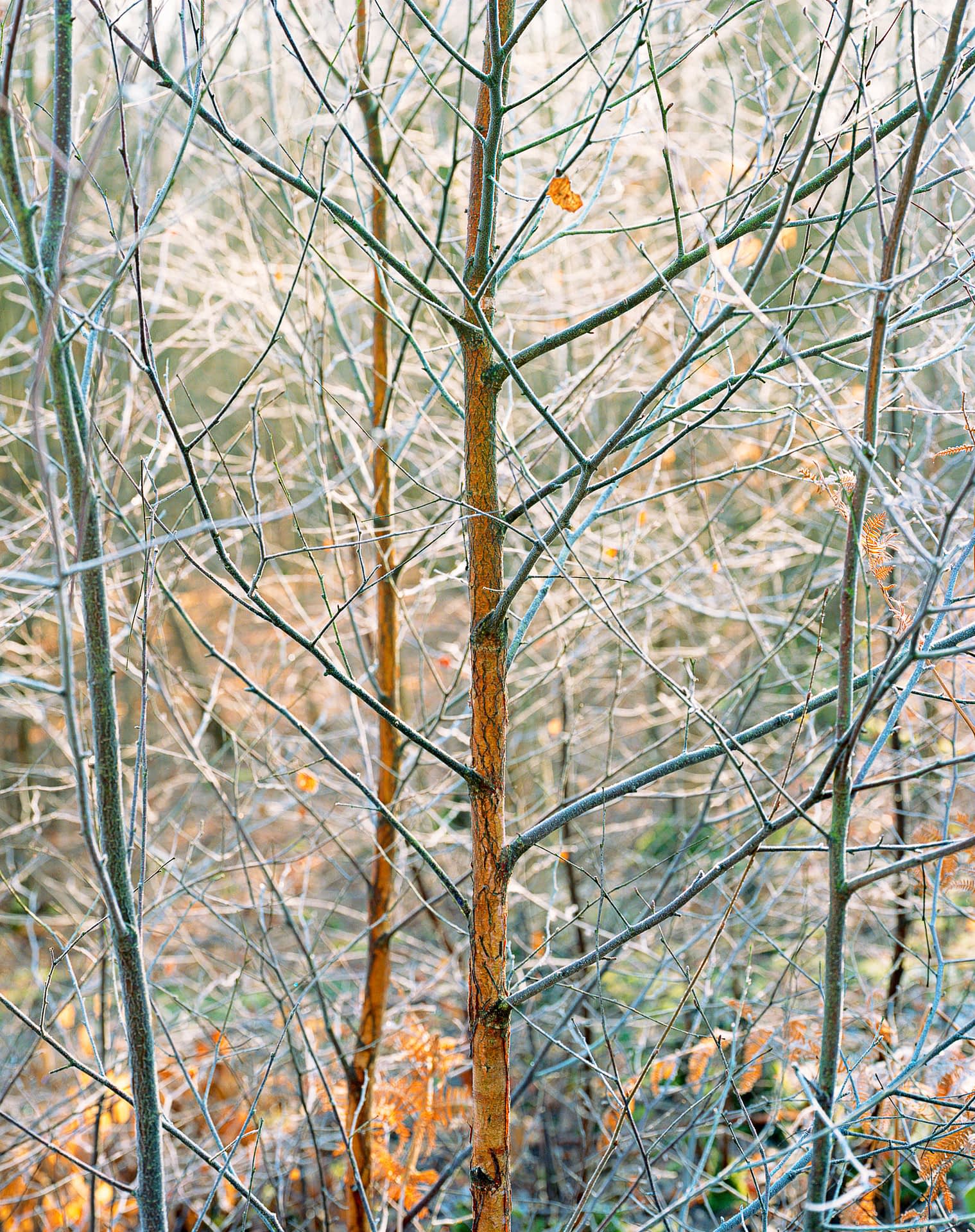
The arrival woods. Work the edges and look for intimate compositions among the newly planted trees in low sun before heading deeper.
Final thoughts
Nine years in, Broxbourne still makes me work for it. It is a challenging place to photograph, eight woods with their own moods, and the pictures come to the photographer who banks compositions on the flat days and returns when the fog settles in, when the snow lies untouched, when the stream floods and the trees stand in water. The woods keep count of your visits, and they pay out accordingly.
The story of why woods like these matter, and how few survive, is in What Is Ancient Woodland?. For a wood that makes the opposite demands of you, flat where this is undulating, fleeting fog where this lingers, see the Hainault Forest guide. The rest of the series is at location guides.
Before you visit
Common questions about Broxbourne Woods NNR.
Where do I park at Broxbourne Woods NNR?
Each wood has its own car parks: Bencroft east and west (both EN10 7QN) off White Stubbs Lane, Broxbourne Wood east (EN10 7QR) and west (SG13 8NZ), and Danemead car park (EN11 8GG) on Cock Lane for Hoddesdonpark Wood. Use Bencroft west for Wormley Wood.
When is the best time to photograph Broxbourne Woods NNR?
Mid October to mid November for autumn colour, with different woods peaking at different times. Mid April for the wood anemones. In any season, fog, rain and snow are the conditions that make the reserve special.
What is Broxbourne Woods best known for photographically?
Hornbeam coppice and old pollards, some of Hertfordshire's best wood anemone displays, and winter conditions that this close to London have no right to be so good: lingering fog and snow that stays untouched for days.
Can I get to Broxbourne Woods without a car?
Bayford station is walkable to Broxbourne Wood, which opens up the rest of the woodland via the NNR trail. Broxbourne station is a long walk of a couple of miles, most of it along country lanes.
Is it easy to get lost in Broxbourne Woods?
Less so than the size suggests. The waymarked trails are rarely far away, including the 17.5 kilometre NNR Trail, which runs as a figure of eight splitting into two 8 kilometre loops. Phone signal is okay but drops out in parts, so know your route back.
Previous Guide
Next Guide
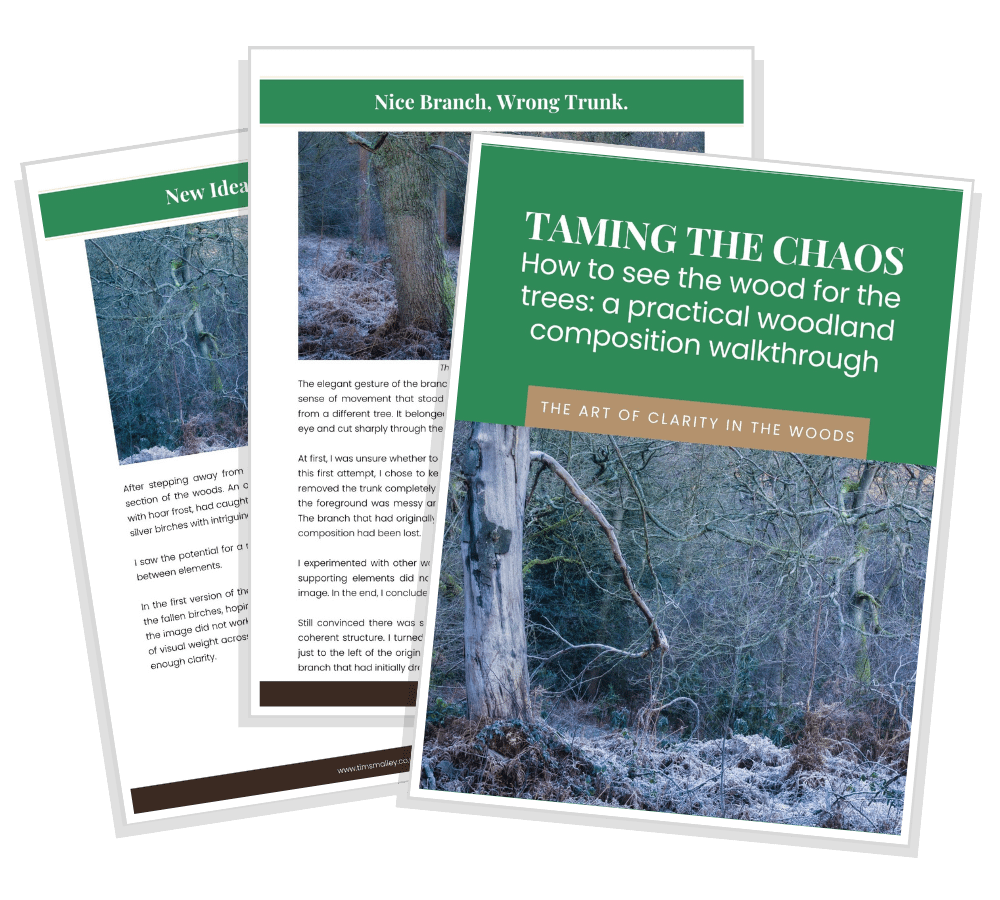
Free composition guide
Learn how to tame the chaos in the woods.
Woodland is the hardest landscape to compose. This free guide gives you a practical way to cut through the visual mess and find the picture, in Hainault or any wood you walk into.