Woodland photography location guide · Buckinghamshire
Burnham Beeches NNR.
Ancient pollards, open wood pasture and fog that arrives on cue. More than a decade of visits to the most famous beeches in Buckinghamshire.
Updated on 6 July 2026
Burnham Beeches at a glance.
County Buckinghamshire, beside Farnham Common, west of Slough
Best for Ancient pollarded beeches, fog on the wood pasture, autumn colour
Access Open to people on foot at all times. Car parks 8am to dusk
Nearest Station Burnham, on the Elizabeth Line, about 3.5 miles away
Size and type 220 hectares of ancient wood pasture, heathland, ponds and wetland. National Nature Reserve, Special Area of Conservation and SSSI
Peak season Last week of October into the first week of November
Parking Main car park on Lord Mayor's Drive, SL2 3PS brings you within 50 metres. Stag and Dell car parks on Hawthorn Lane
Visiting for more than a decade
The wood itself.
Fog was forecast. I arrived at the start of twilight, the way I usually do here, and there was no sign of it at all.
Then, as the first light began to breach the woods, the fog rolled in on cue. It was the peak of autumn, the conditions turned special within minutes, and I made some of my favourite images of that year. If I had trusted the view from the car over the forecast, I would have missed all of it.
I have been photographing Burnham Beeches for more than a decade. I forget my first visit. A couple of trips most years, nearly always in autumn, with occasional visits in the other seasons.
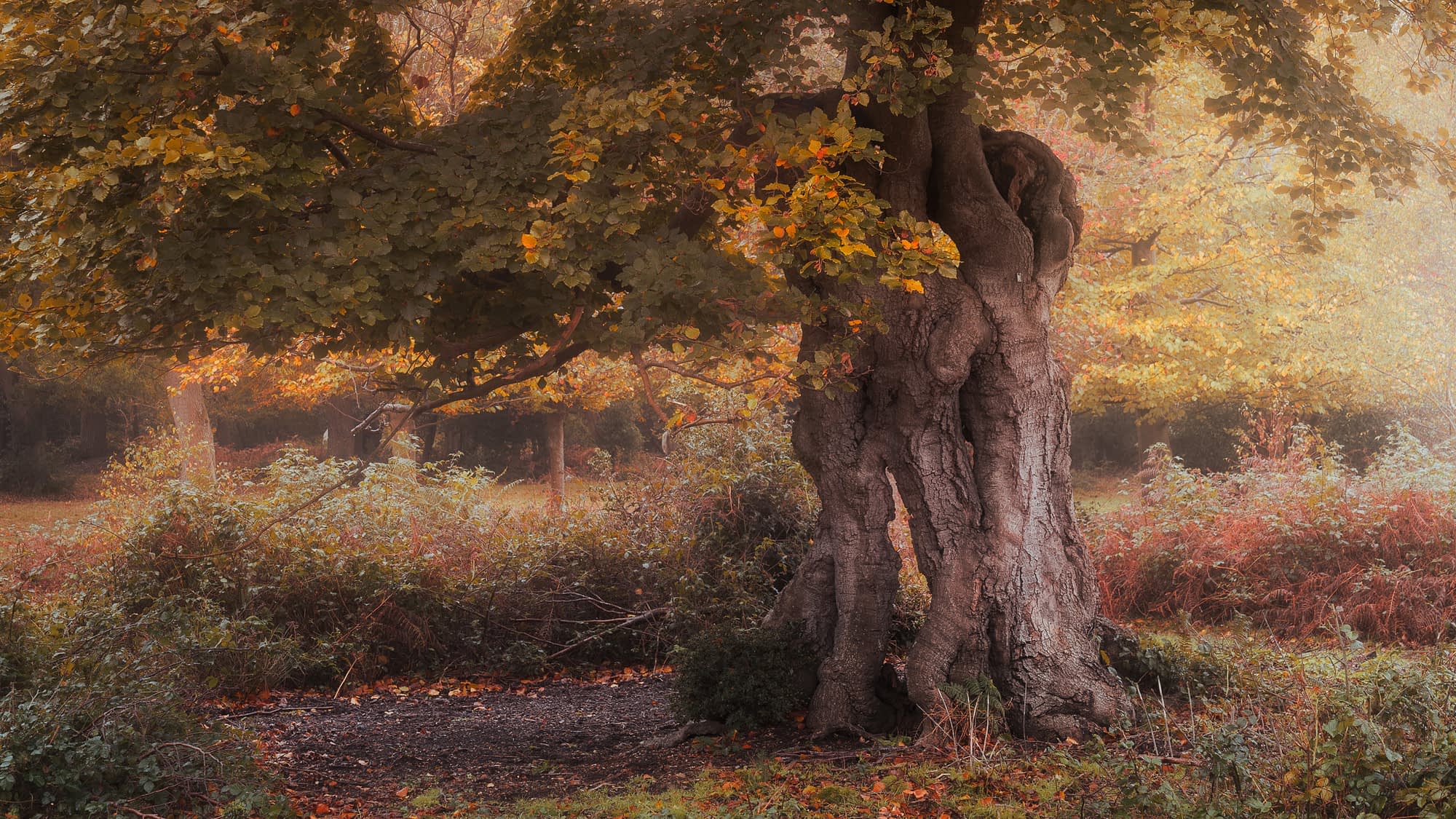
People have shaped this wood for centuries. Livestock grazed beneath the trees while the trees themselves were pollarded, cut above browsing height so they could be cropped for wood again and again. Pollarding is the reason the beeches look the way they do. It kept them alive far beyond a natural span, and it left behind the hollowed, gnarled forms that photographers cross counties for. The Domesday Book records woodland here with enough to feed 600 swine.
In 1879 the site was put up for sale as building land. The City of London bought it instead, and its rangers still manage the reserve today, with grazing reintroduced to keep the wood pasture open. If the idea of a wood this old is new to you, my piece on what ancient woodland actually is is the place to start.
From this wood
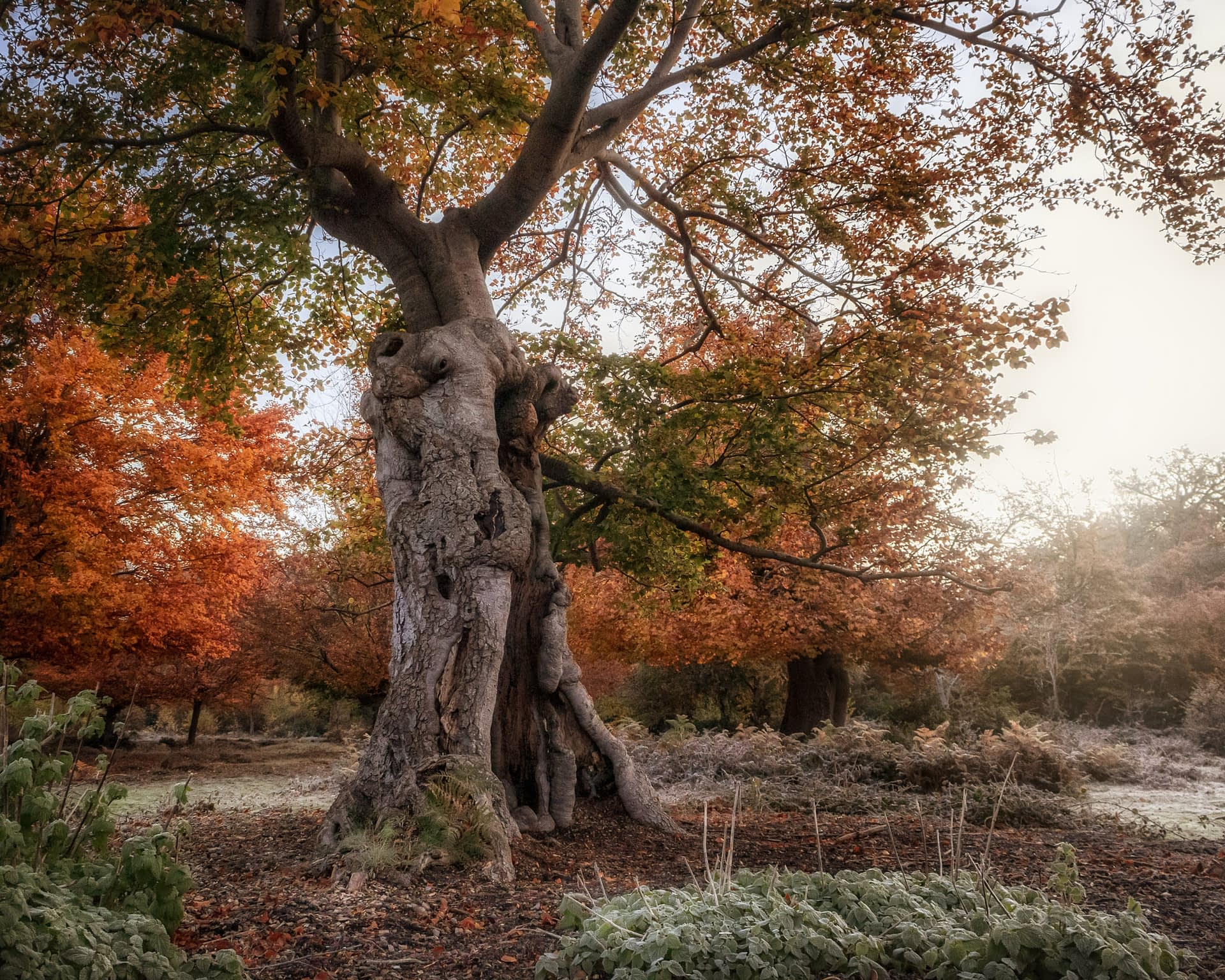
Treat the ancient pollards as portraits. This one gets a frosted floor and the last of its autumn canopy in the same frame.
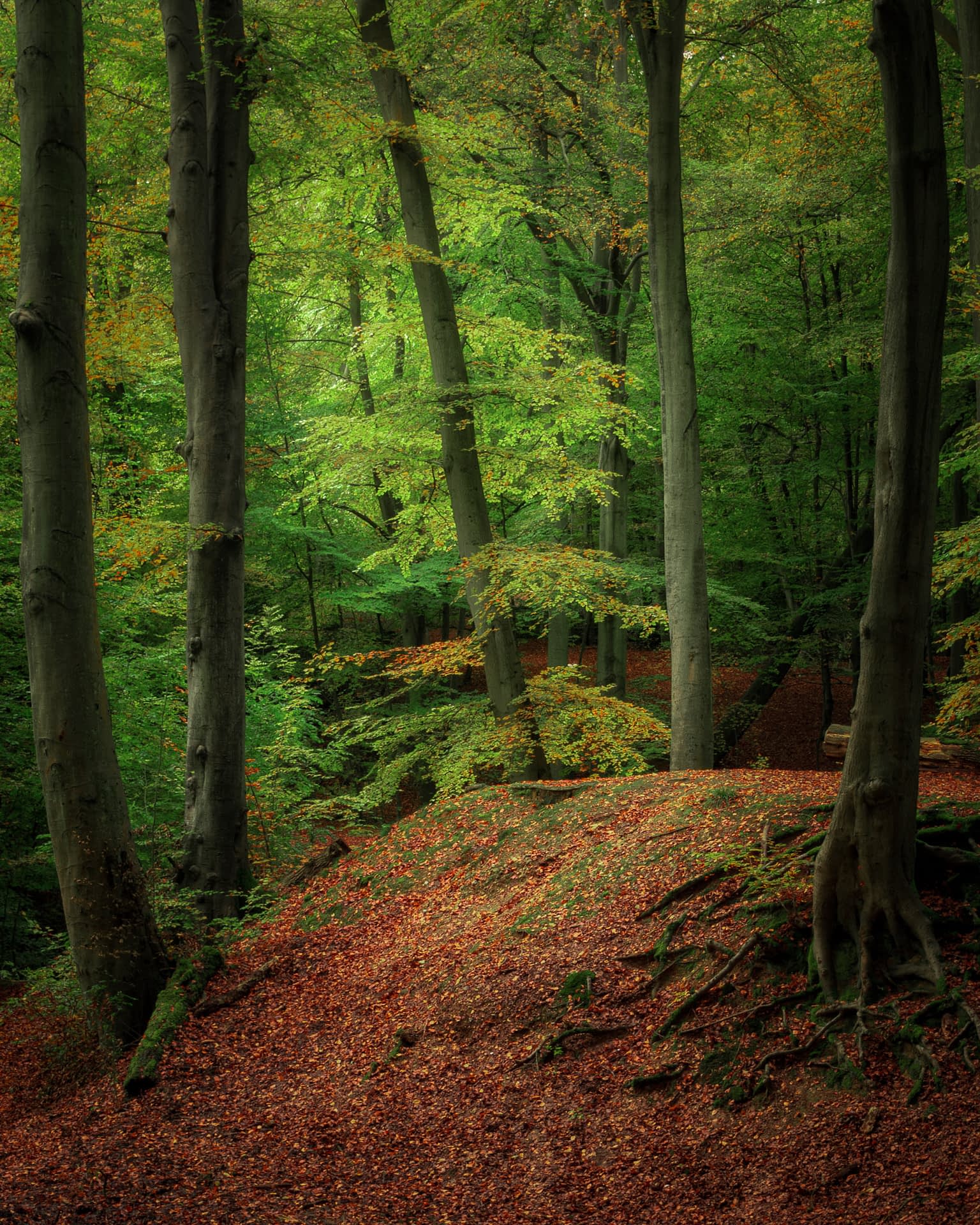
Sevenways Plain in its green months. The exposed roots and leaf-strewn banks carry a picture when the canopy is one flat colour.
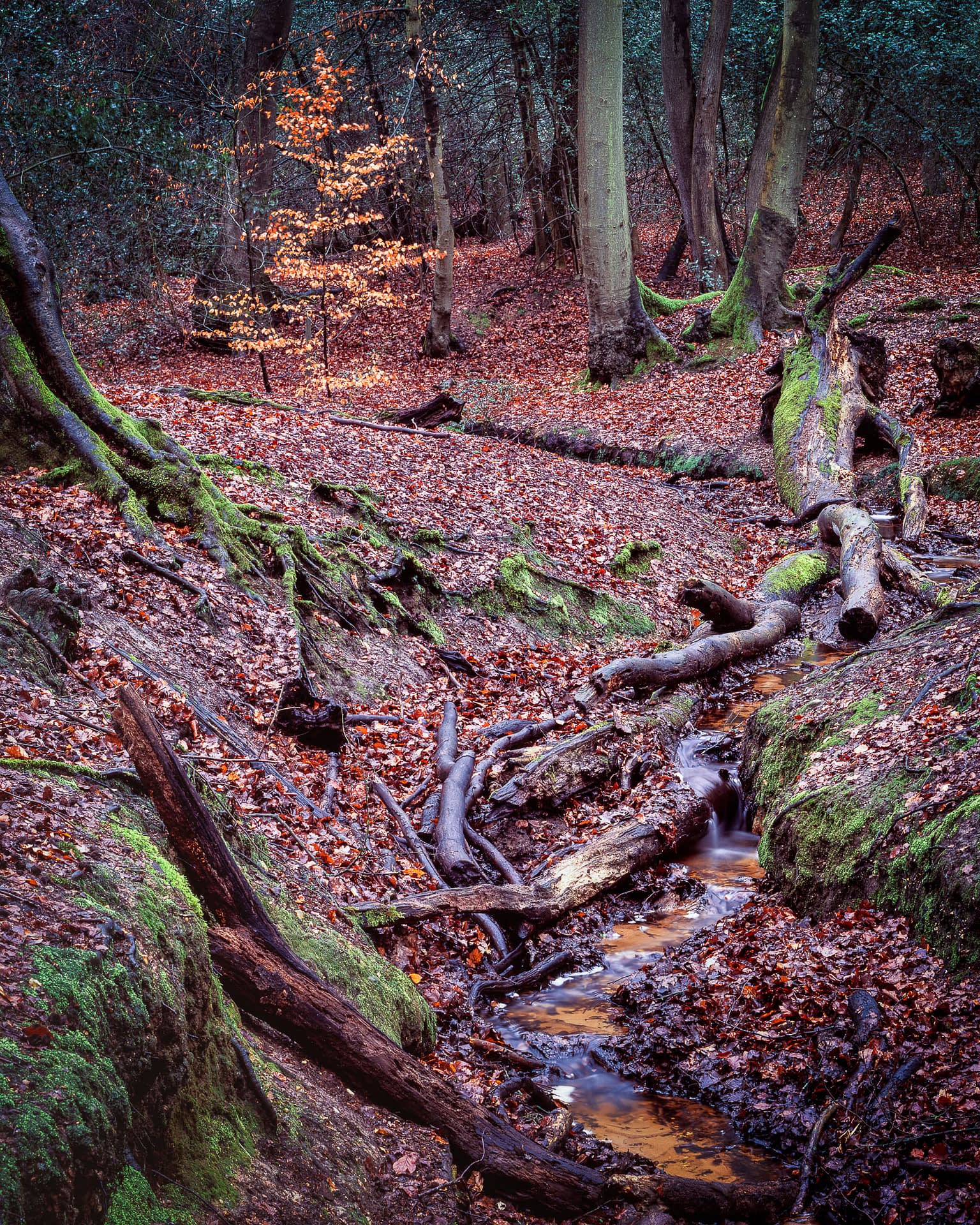
The main stream earns a slow walk. Deadwood crosses it everywhere, and one young beech holding its leaves can carry the whole frame.
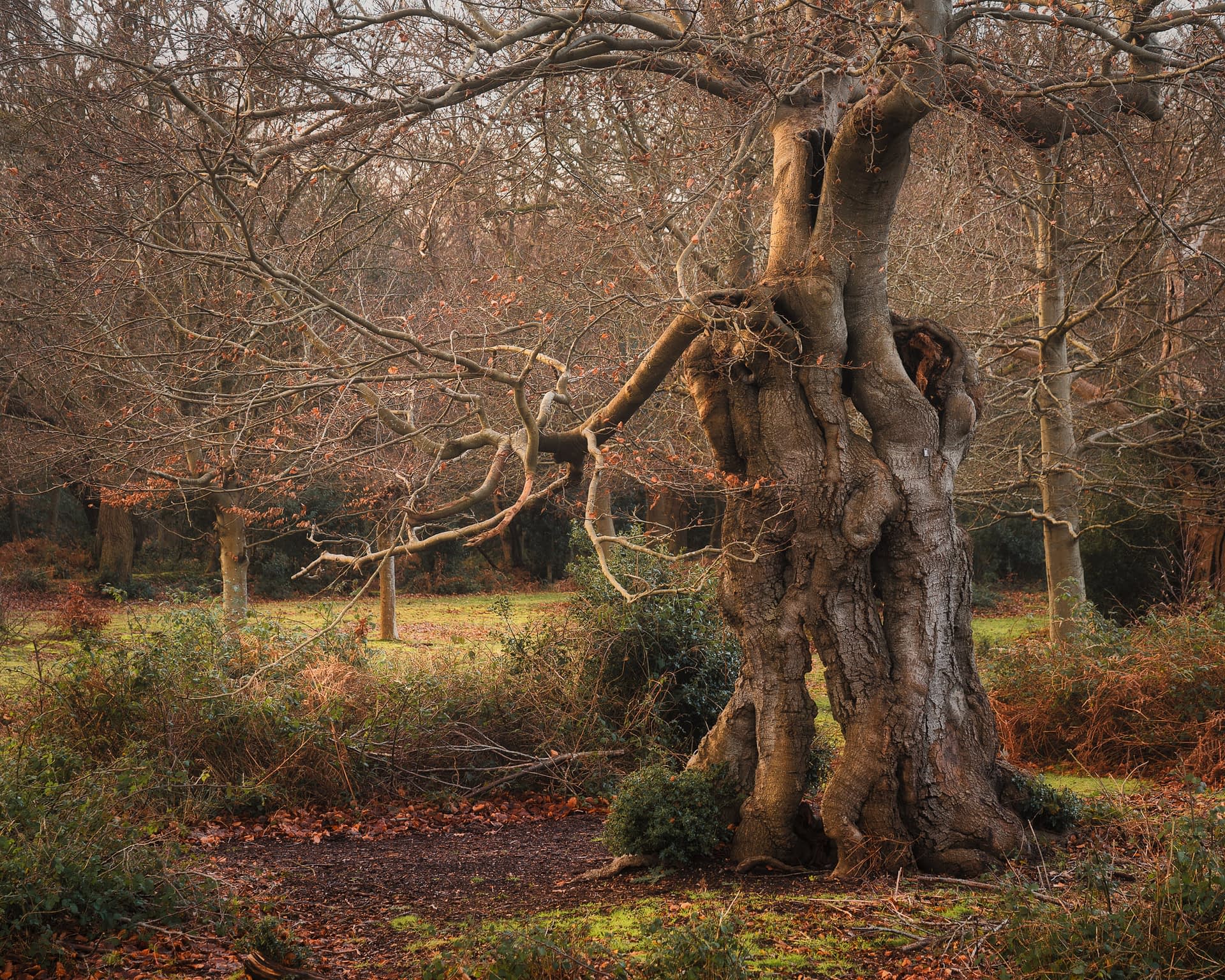
Bare season, honest shapes. Winter strips the pollards back to the forms that centuries of cutting left behind.
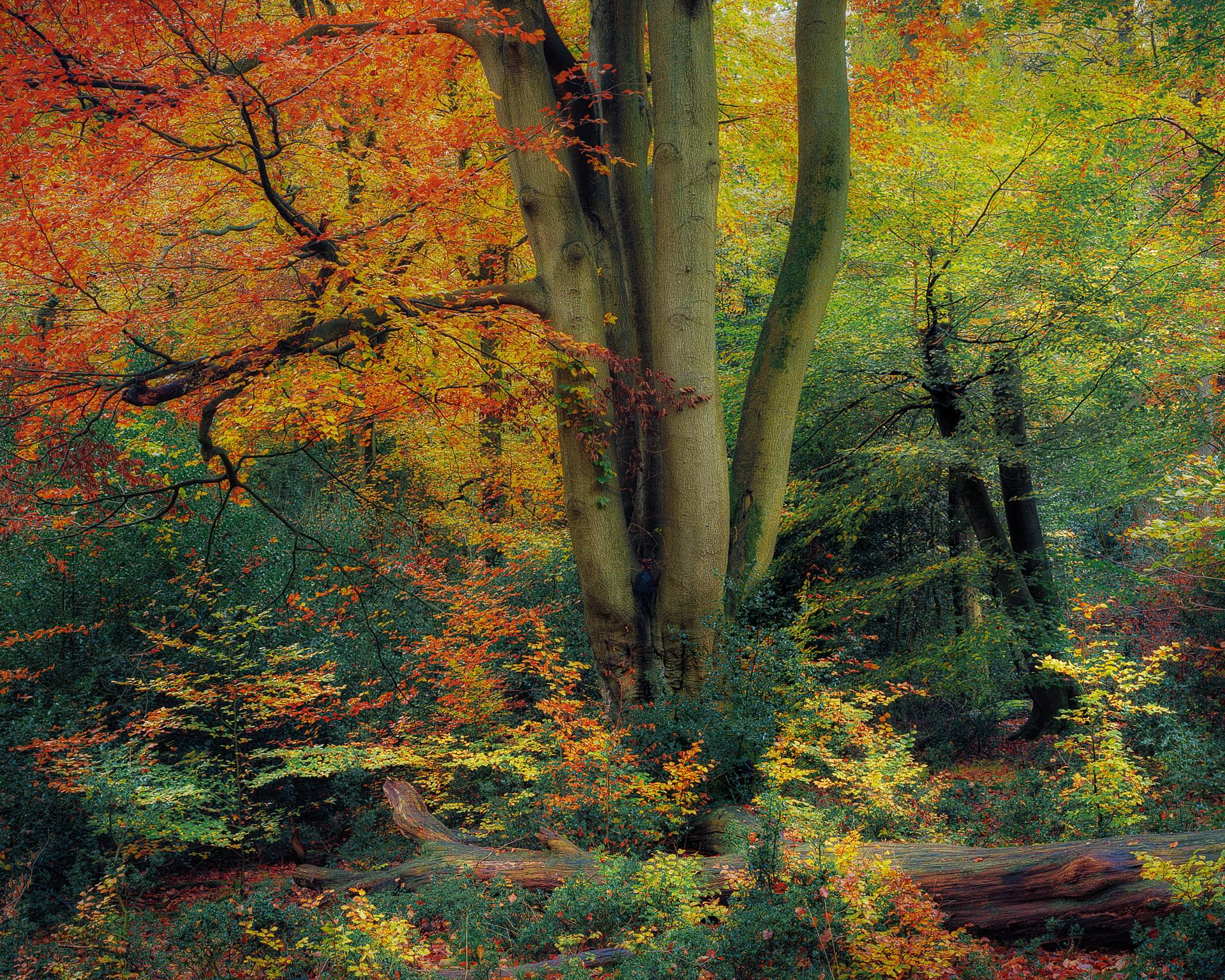
Peak colour runs copper through red, orange and yellow, often all in one view. The last week of October is the time to aim for.
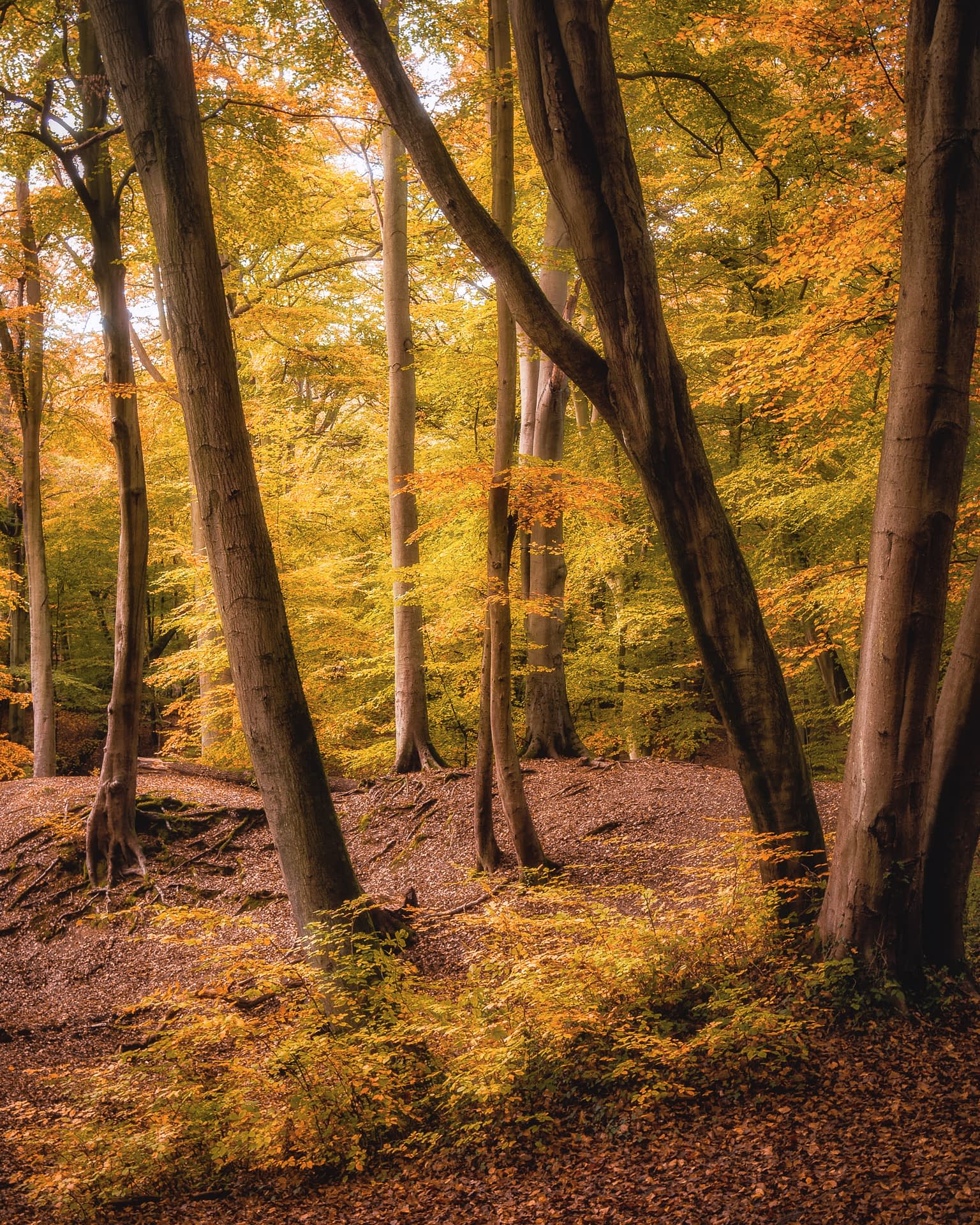
Sevenways Plain in colour, where the younger beeches tower and the ground rises and falls under copper leaves.
Before you go
Visiting and shooting.
Getting there and parking.
The main car park is on Lord Mayor's Drive. There is no exact postcode, but SL2 3PS brings you within 50 metres of the entrance. Rangers open the car parks at 8am and close them at dusk, which ranges from 4.30pm in midwinter to 9pm at the height of summer. The Stag and Dell car parks on Hawthorn Lane open at the same time and close earlier, between 4.30pm and 7pm depending on the season.
Parking is cashless, by RingGo or card. Weekdays cost £1.50 for up to two hours and £3 beyond that. Weekends and bank holidays are £3 for the day. Blue Badge holders park free once their vehicle is registered.
The reserve itself never closes to people on foot, which matters, because the best of this wood happens before 8am. When I arrive for first light I park just outside on Beeches Road. There are few spaces, it is a residential road, and it deserves respect. Be aware that the City of London and Buckinghamshire Council have been introducing measures against inconsiderate parking on the roads around the reserve, and parking in a residents area without a permit carries a £70 charge. I have not visited in the last few months, so read the signage before you commit, and be ready to wait for 8am if the road no longer allows it.
Burnham station, on the Elizabeth line, is about 3.5 miles away, so it is a long walk in. Buses from Slough and Beaconsfield stop in nearby Farnham Common. Arriving by car is much easier.
Access and restrictions.
Burnham Beeches is a National Nature Reserve, a Special Area of Conservation and a SSSI, and the rules reflect that. Dogs are welcome under Public Spaces Protection Orders that apply at all times: pick up after your dog, keep it on a lead in the marked zone and whenever a ranger asks, keep out of the exclusion area, and bring no more than four dogs at a time. The zones are mapped on site.
Cyclists and horse riders keep to the tarmac roads. Drones need a permit, as on any site like this. Grazing cattle and ponies are out from spring to autumn; give them room and do not feed them. On the Heath, stay on the boardwalks where possible. The habitat is delicate.
The cafe, toilets and information point by the main car park open 10am to 5pm every day except Christmas Day.
Best conditions and timing.
Fog transforms this place. It lingers longest on the higher ground, which happens to be exactly where the wood pasture, the ancient pollards, the ponds and the main stream all sit. In autumn it arrives often.
Rain works here too, and so do plain overcast days. I have written elsewhere about photographing woodland in the rain; Burnham is one of the woods I had in mind.
Golden light is the harder option. Out in the open pasture you have to watch your background separation far more closely, or open the aperture wider. Inside the woods themselves, golden hour works well.
I arrive at the start of twilight. It gives me the chance to get deep into the wood before the light starts to break through the trees. If you arrive at 8am with everyone else, that is fine. You do not need golden hour or fog to come away with good images here. It just helps.
The wider principle, at Burnham as anywhere: choose the right subject for the light in front of you, and you will find subjects in most conditions. If you are still working out when that is, start with the best time for woodland photography.
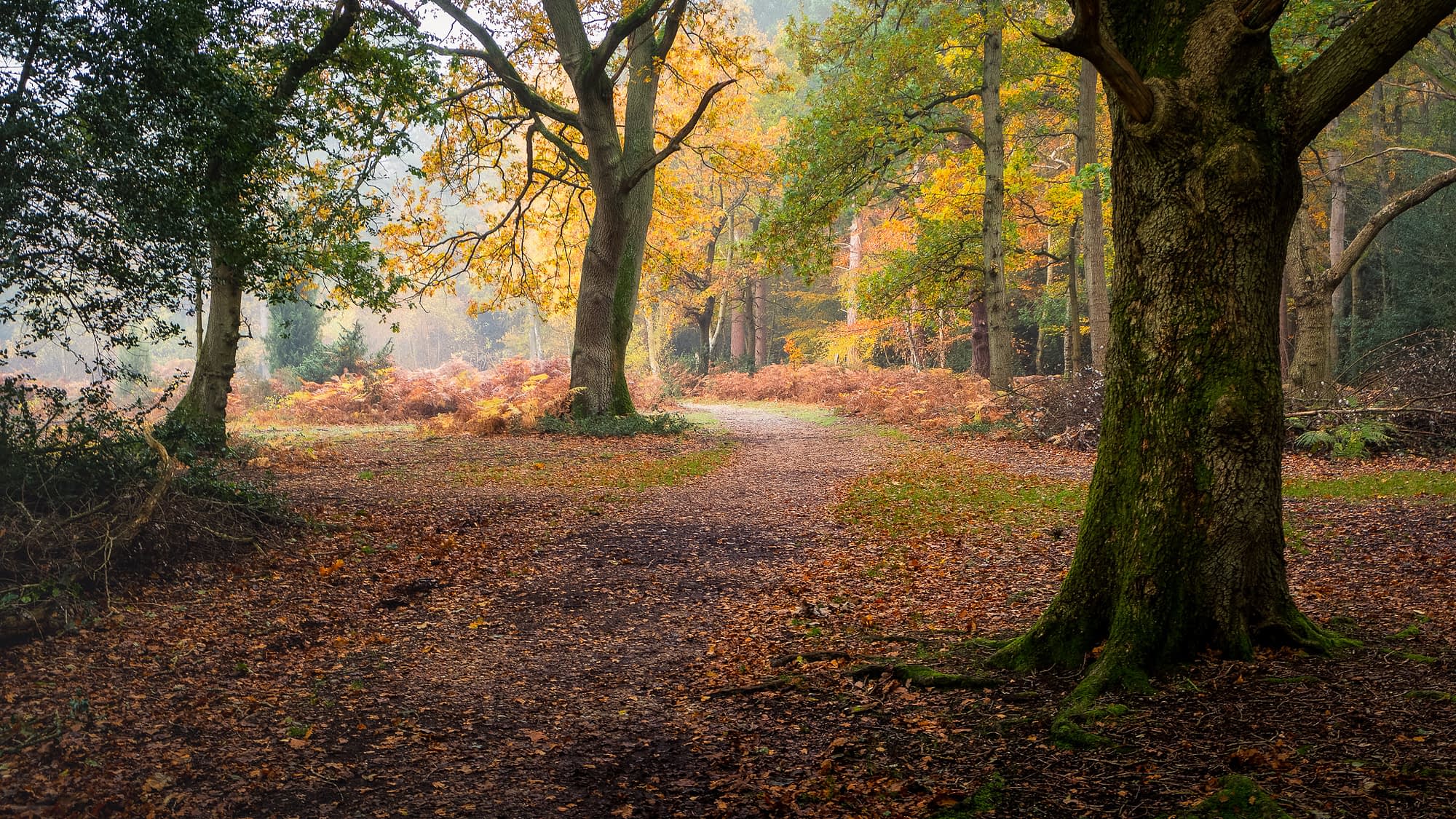
Mist, bracken and a path with no one on it. Arrive at the start of twilight and the wood is yours until the car parks open.
Subjects and compositions
What to photograph.
The ancient pollards are the reason most photographers come, and they work best as portraits of individual trees. Some pairs gesture to one another, and those make the storytelling images. Get close to the trunks as well. Whole sections have rotted away, some trees have hollowed right through, and it is a marvel that they are still standing. That decay is a subject in itself.
The wood pasture gives you something most woods cannot: space. Scattered ancient trees stand in open grazed ground, with room to isolate a single form against grass rather than clutter.
The heathland is the counterpoint, open and low where the wood is tall and closed, with heather and grasses carrying the colour.
At the ponds, work the still-morning reflections across the water, and the abstracts where the lilies sit against the trees reflected between them.
Then the floor: exposed roots, fallen deadwood, and the fungi and mushrooms that colonise it.
Identification and character
Tree species.
Beech. The pollarded ancients are what Burnham is known for: hollowed, gnarled, and sculptural, at their best in soft directional light. The younger beeches matter too. Around Sevenways Plain they grow tall, straight and close, a different subject entirely.
Oak. The Druid's Oak, estimated at somewhere between 400 and 1,000 years old, stands just south of Lord Mayor's Drive and you cannot miss it. It is signposted and fenced, so treat it as a tree to pay your respects to. The unfenced pollards nearby make the better pictures.
Silver birch. White bark and slender forms against the darker mass of the beeches, useful for minimalist frames and for separation in busy scenes.
Hornbeam, ash, rowan, whitebeam and Scots pine all grow here as well, and they vary the textures through the seasons.
Timing
Seasonal highlights.
Spring. Bud burst, and the week or two after it, when the leaves come through bright, neon green. The ferns unfurl on the Heath. I will be honest: I often miss Burnham in spring because bluebell season pulls me into other woods. Tunnel vision. The place deserves better from me.
Summer. Late summer belongs to the Heath, when the heather comes into colour through August.
Autumn. Peak colour lands in the last week of October and the first week of November, running the full range from copper through red, orange and yellow. This is when the fog arrives most often, and when I make most of my visits.
Winter. Burnham holds frost and fog well, and delivers in winter just as it does in any other season. Some trees keep their copper leaves deep into the cold months, particularly around Sevenways Plain, and the fungi get interesting. I have never caught it in hoar frost myself, though a good friend has shown me what that looks like. Unicorn conditions for this location.
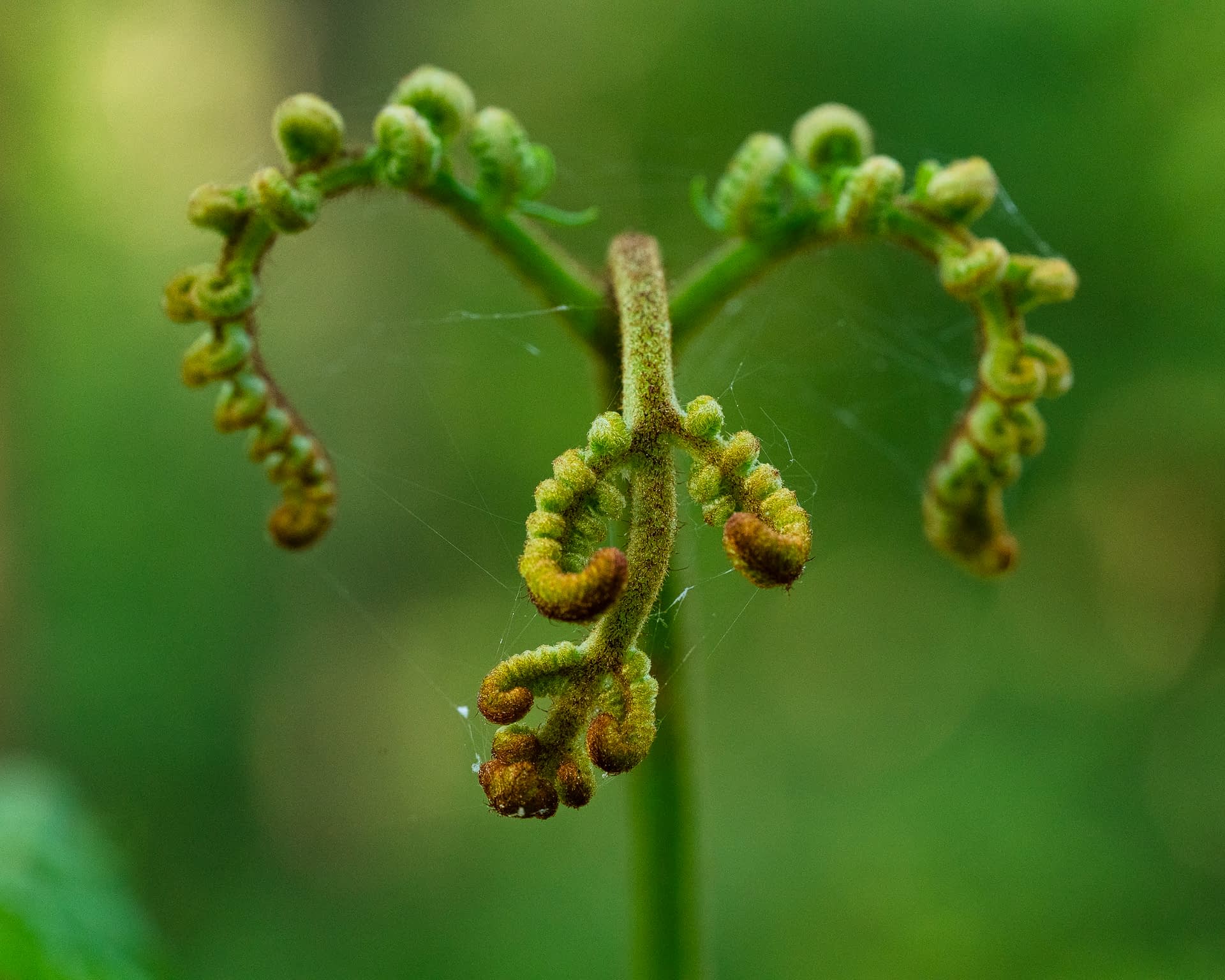
Spring
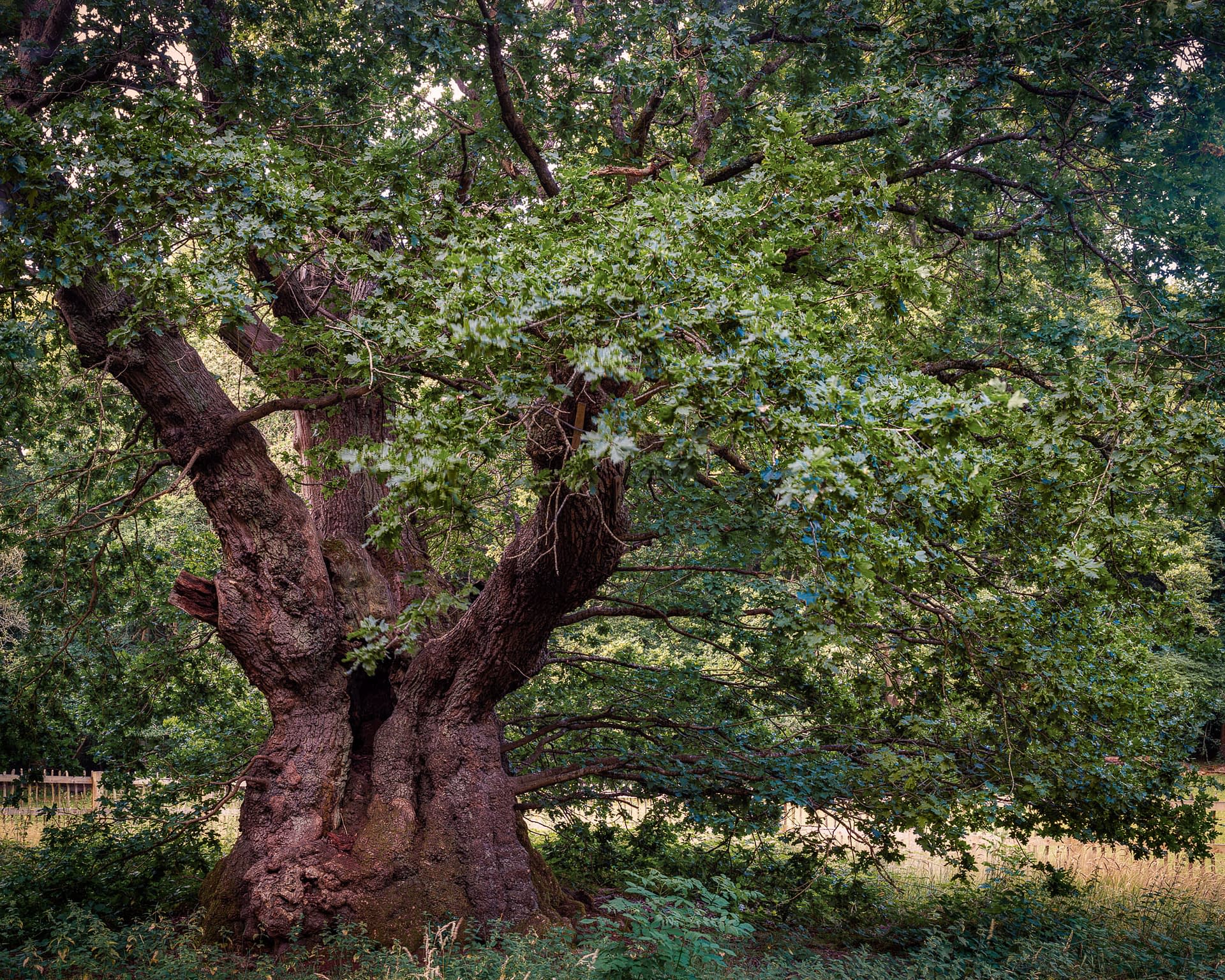
Summer
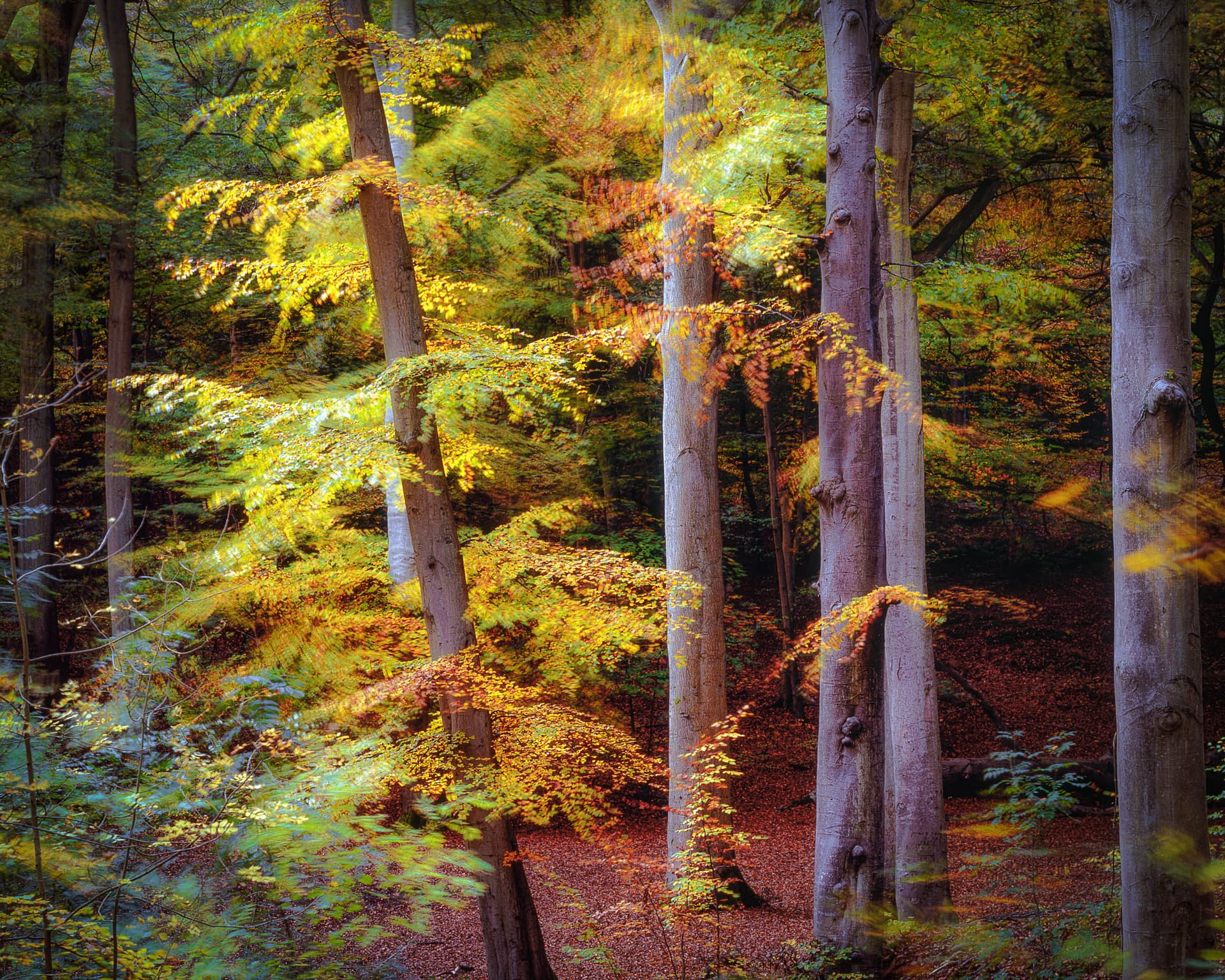
Autumn
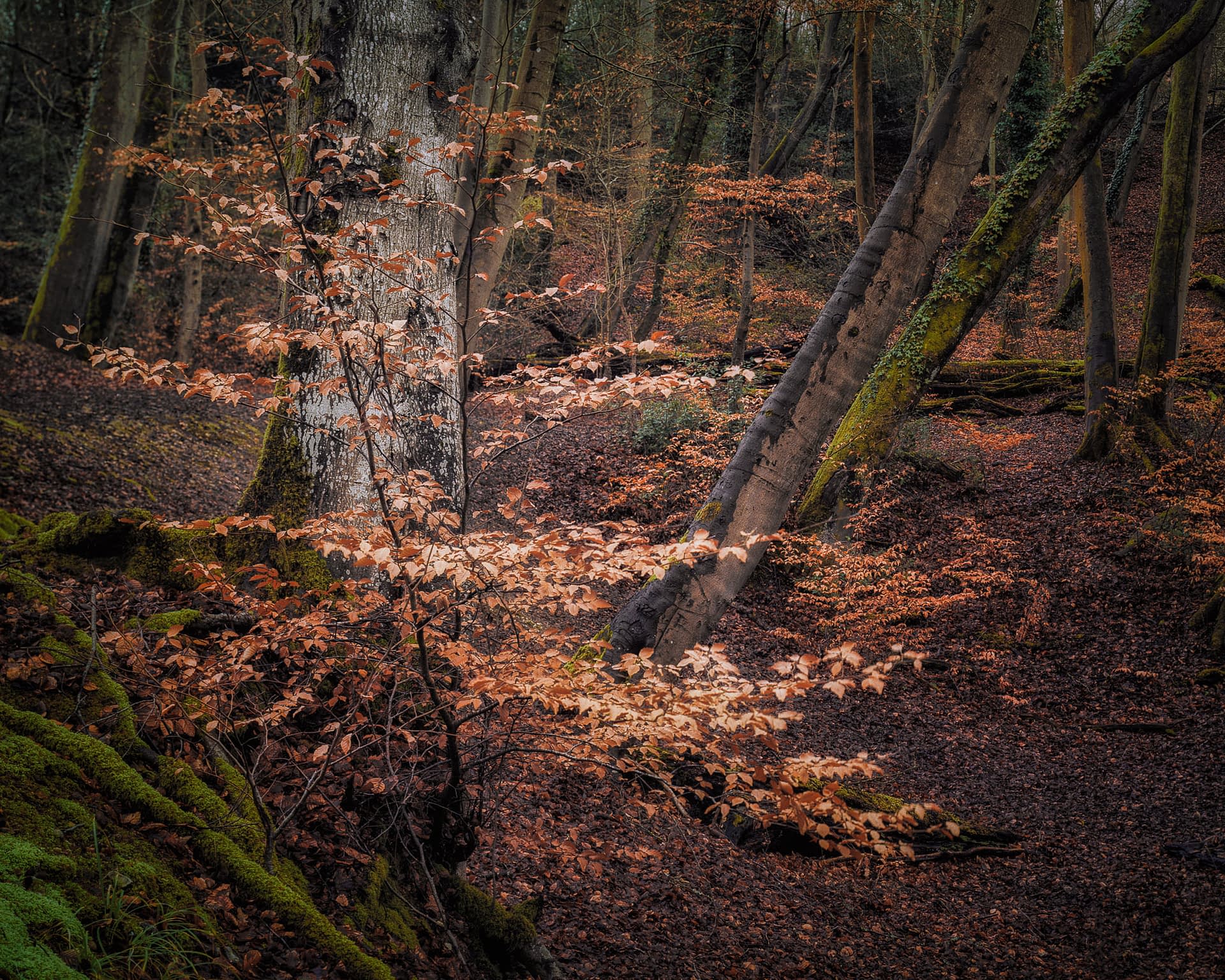
Winter
Four ways in
Areas to explore.
The pollards along Lord Mayor's Drive.
The drive runs through the middle of the reserve, and the pasture on its north side holds some of the most impressive ancient pollards on site. Work them as individual portraits first, then look for the pairs that gesture to one another. The Druid's Oak stands just to the south of the drive. See it, then move on to the freer subjects.
CREATIVE TIP
Fog and soft light flatten the distractions behind each trunk. In golden light, check your background separation before you commit to a composition, or open up the aperture.
mindful moment
Stand close to one of the hollowed trunks and take in how much of the tree has simply gone, rotted away over centuries. It is still alive. Still standing.
Upper Pond.
On a still morning, shoot across the water for the trees on the far bank and their reflections. The lilies give you the abstracts, with the trees reflected in the gaps between them.
CREATIVE TIP
In golden light, the low sun can catch the trees in the reflection while the water around them stays unlit. Wait for it.
mindful moment
Watch the reflection hold light that the water itself does not. It is quietly strange.
Sevenways Plain.
A bowl in the middle of the woods. Take care on the steep banks on the way in. The beeches here are younger and they tower, and the floor of the bowl carries exposed roots and fallen deadwood. Best in evening light in autumn, or on a rainy day.
CREATIVE TIP
The roots and the deadwood carry a picture on the days the canopy will not. Save them for the rain.
mindful moment
In winter, some of these beeches hold their copper leaves long after everything around them has let go.
The Heath.
Open heath where the rest of the reserve is closed woodland. Time it for the heather in August, the turn of colour in autumn, or the unfurling ferns in spring. Stay on the boardwalks where possible. The habitat is delicate.
CREATIVE TIP
The habit is delicate, so it's important to stay on the boardwalks, but why not make use of them as a compositional device?
mindful moment
Look out for the bees during peak heather season at the end of August. The Heath is a haven for wildlife.
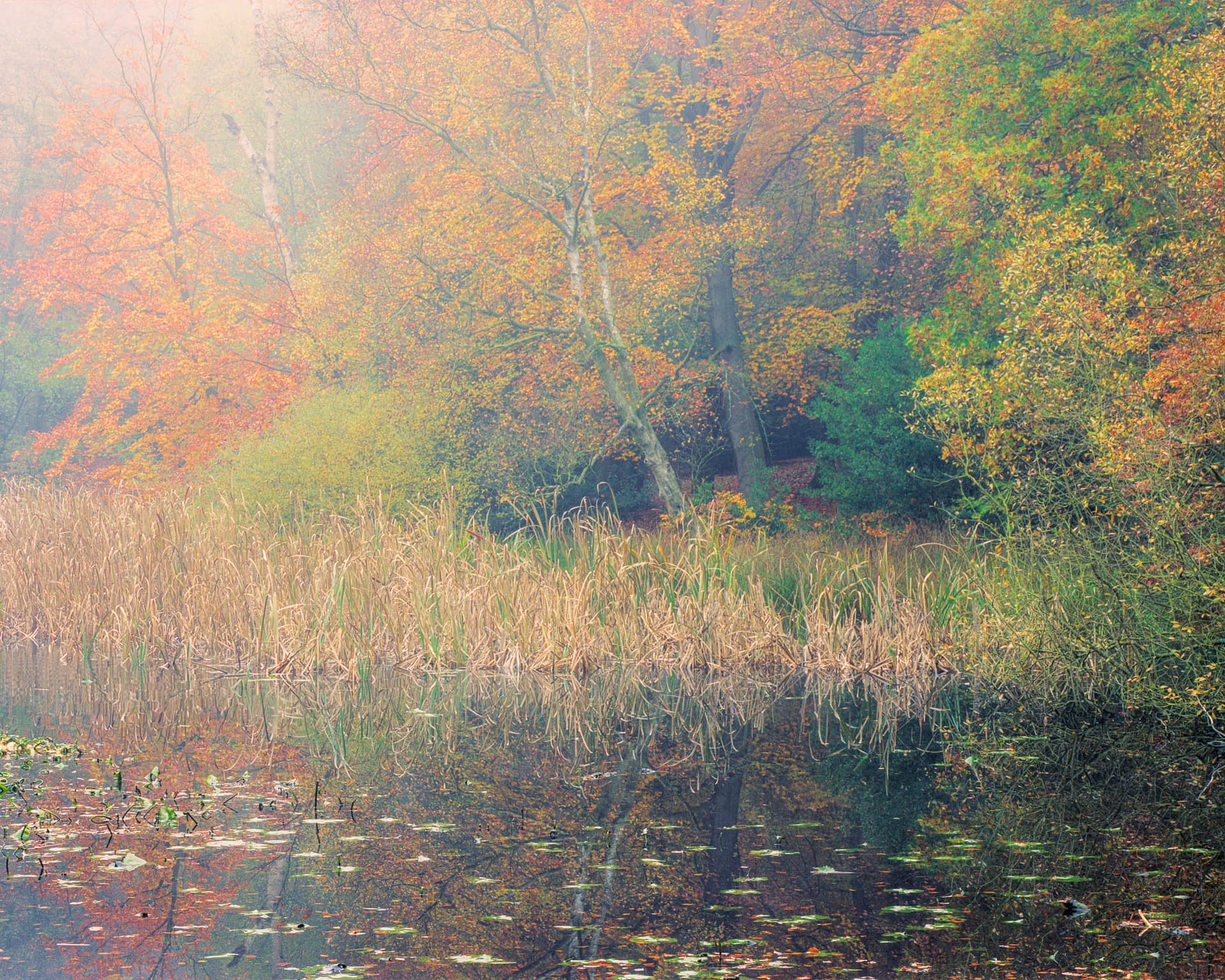
Upper Pond on a foggy morning. Work the far bank and its reflection, then the lilies for the abstracts.
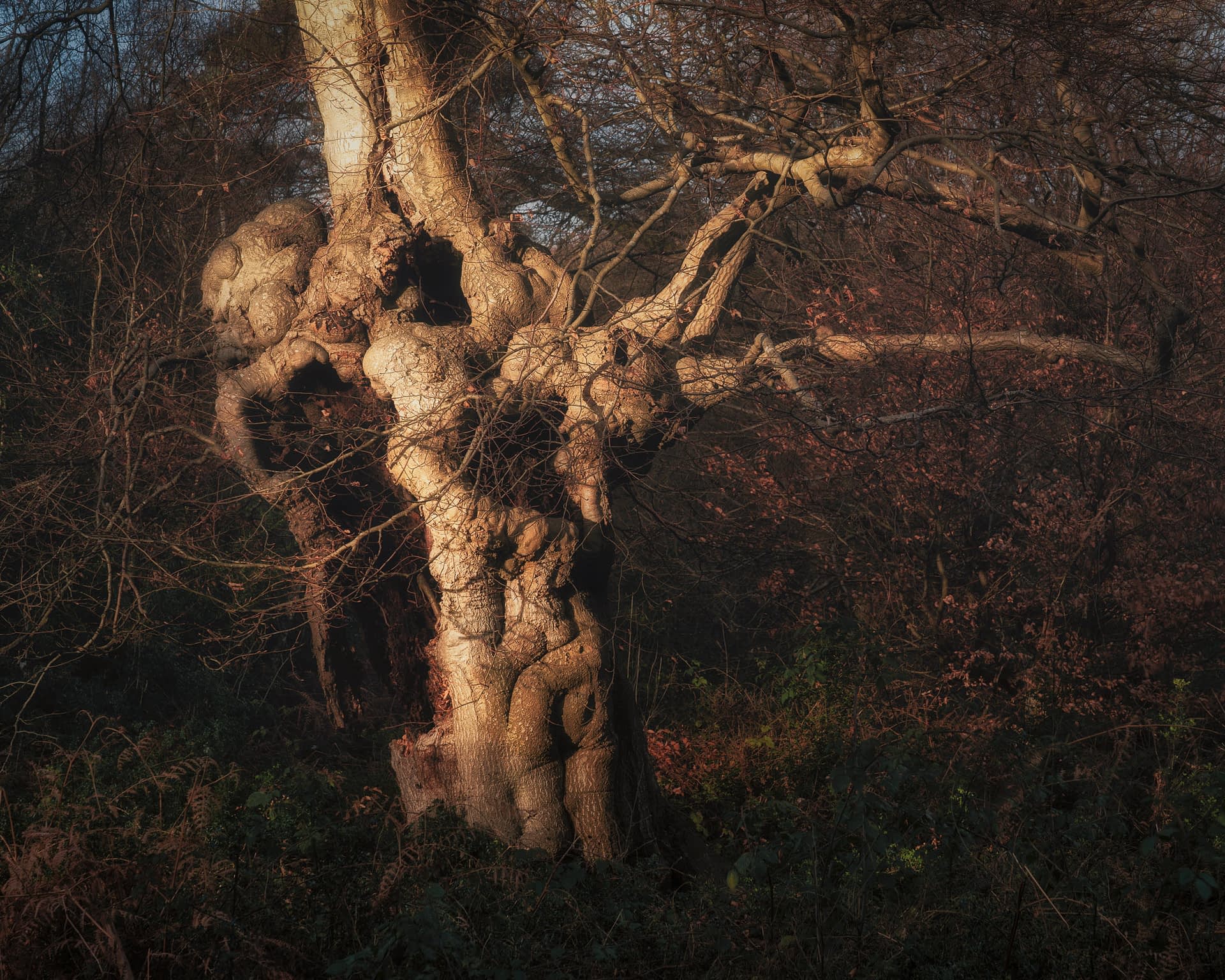
The character of the ancient pollards is on full display in winter and the low sun creates pleasing lighting that enhances the textures in the trunk.
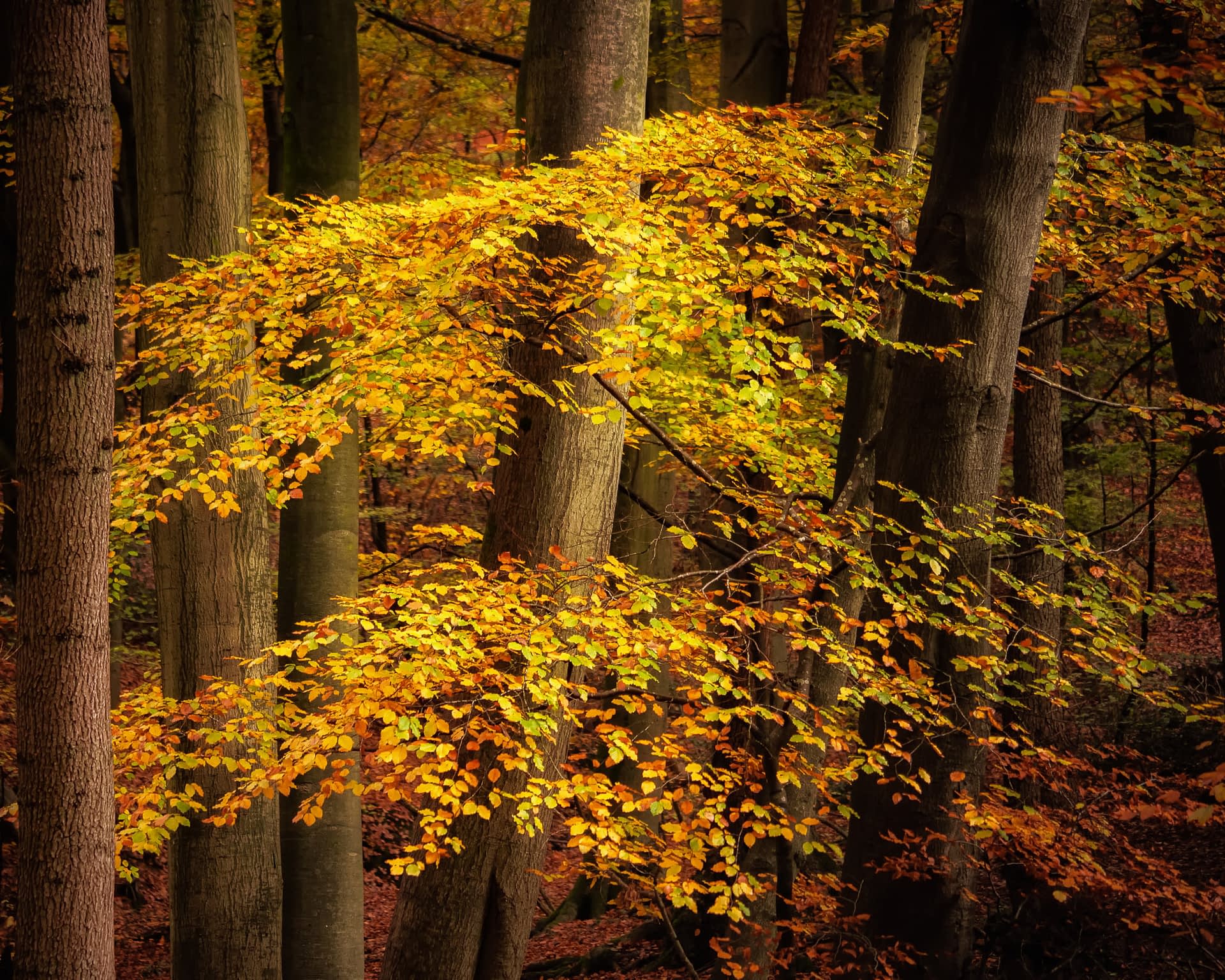
Inside the woods, golden hour works. Backlit layers like this need the sun low and behind the leaves.
Final thoughts
Burnham Beeches gets photographed for two weeks a year. It deserves the rest of them.
More than a decade in, I still only manage a couple of visits a year, most of them in autumn, so I am part of the problem I have just described. But this wood has never needed peak conditions to be worth the trip. The morning the fog rolled in on cue only happened because I was already deep among the pollards when it arrived.
For the same pollarding tradition at many times the acreage, read my guide to Epping Forest, the other wood in this series cared for by the City of London. All of the guides live at the location guides index.
Before you visit
Common questions about Burnham Beeches NNR.
Where do I park at Burnham Beeches NNR?
The main car park is on Lord Mayor's Drive; SL2 3PS brings you within 50 metres. Rangers open the car parks at 8am and close them at dusk, from 4.30pm in midwinter to 9pm in summer. Weekdays cost £1.50 for up to two hours and £3 beyond, weekends and bank holidays £3 for the day, cashless only. The Stag and Dell car parks on Hawthorn Lane close earlier.
When is the best time to photograph Burnham Beeches?
Yes, on foot. The reserve never closes to pedestrians, only the car parks are gated until 8am. Limited parking exists on Beeches Road outside the main entrance, but it is residential, restrictions have been tightening, and residents areas carry a £70 charge without a permit, so read the signage first.
When does autumn colour peak at Burnham Beeches?
In my experience, the last week of October and the first week of November, with the colour running from copper through red, orange and yellow. Autumn is also when fog arrives most often.
Are dogs allowed at Burnham Beeches?
Yes, under Public Spaces Protection Orders that apply at all times: clean up after your dog, use a lead in the marked zone and whenever a ranger asks, keep out of the exclusion area, and bring no more than four dogs. The zones are mapped on site.
Is Burnham Beeches worth visiting outside autumn?
Yes. Spring brings bud burst and neon green leaves, late summer brings the heather on the Heath, and winter holds frost and fog well, with some beeches keeping their copper leaves around Sevenways Plain.
Previous Guide
Next Guide
Free composition guide
Learn how to tame the chaos in the woods.
Woodland is the hardest landscape to compose. This free guide gives you a practical way to cut through the visual mess and find the picture, in Hainault or any wood you walk into.