
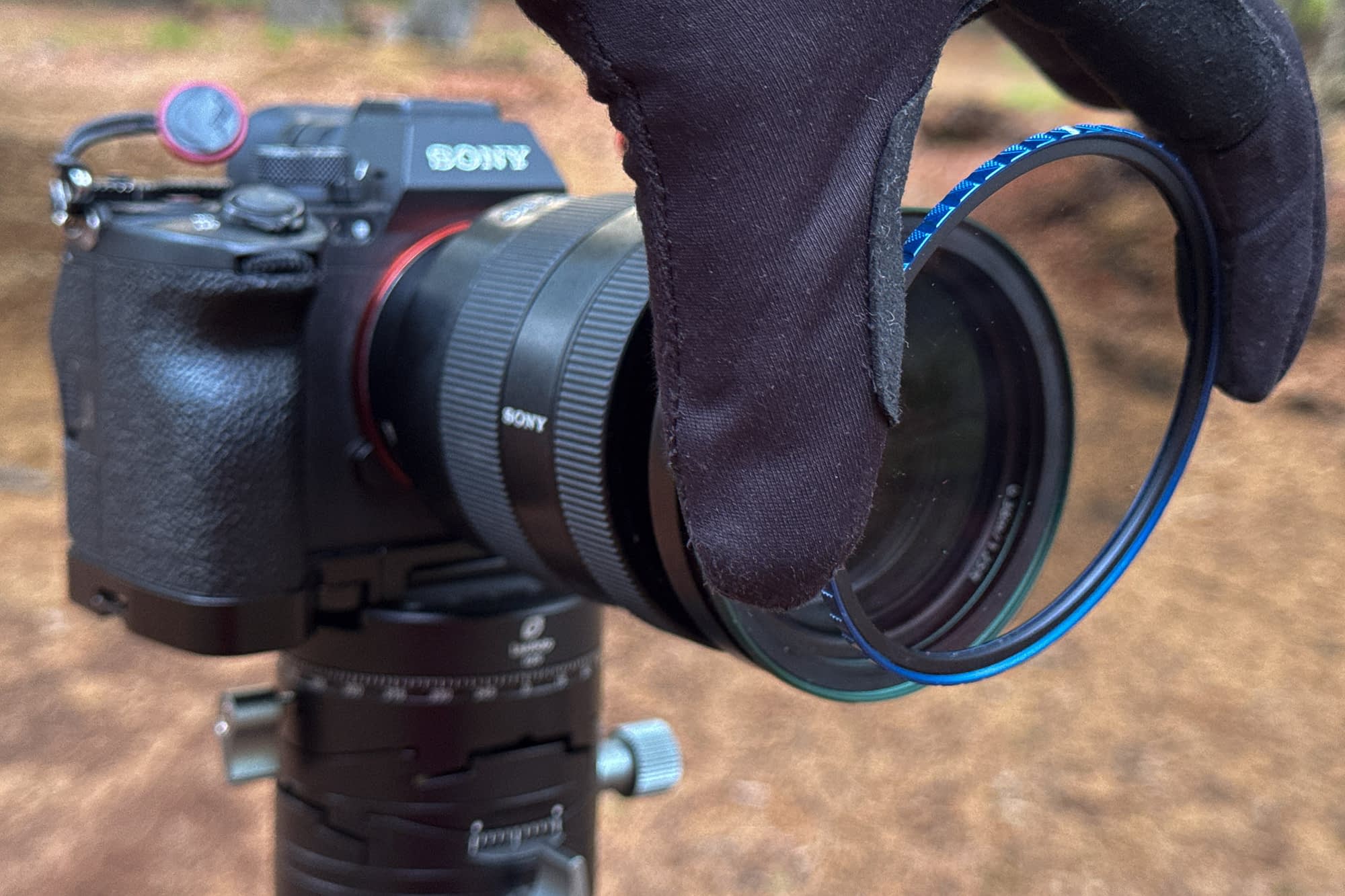
I'd picked up a circular polariser years ago for controlling reflections around waterfalls. It did the job well enough, cutting glare on wet rock and smoothing out the white water, but I didn't think much beyond that. It lived in my bag as a specialist tool for a specific problem.
Then I started spending more time in the woods on wet days. Not the kind of wet where you're dodging showers between sunny spells, but properly drenched mornings after overnight rain. The kind where every surface glistens and the air feels thick. That's when I realised the polariser could do something I hadn't anticipated. It could cut through the chaos.
Woodlands are visually busy places. Trunks, branches, leaves, undergrowth. Layer upon layer of texture and detail. On a wet day, add specular highlights to every surface and the scene becomes overwhelming. Your eye doesn't know where to settle. The camera struggles even more. What you're left with is visual noise across the entire frame, highlights pulling attention in every direction, the composition falling apart before you've even pressed the shutter.
This article is about woodland photography filters that actually matter in closed-canopy woodland environments. Not the generic advice you'll find repeated across dozens of listicles, but field-tested guidance from years of working under the trees. I'll walk you through which filters solve real problems, which ones waste money and how to use them without your images screaming "filtered".
If you're standing in a woodland right now wondering whether to invest in that grad ND filter everyone recommends, this might save you some cash.
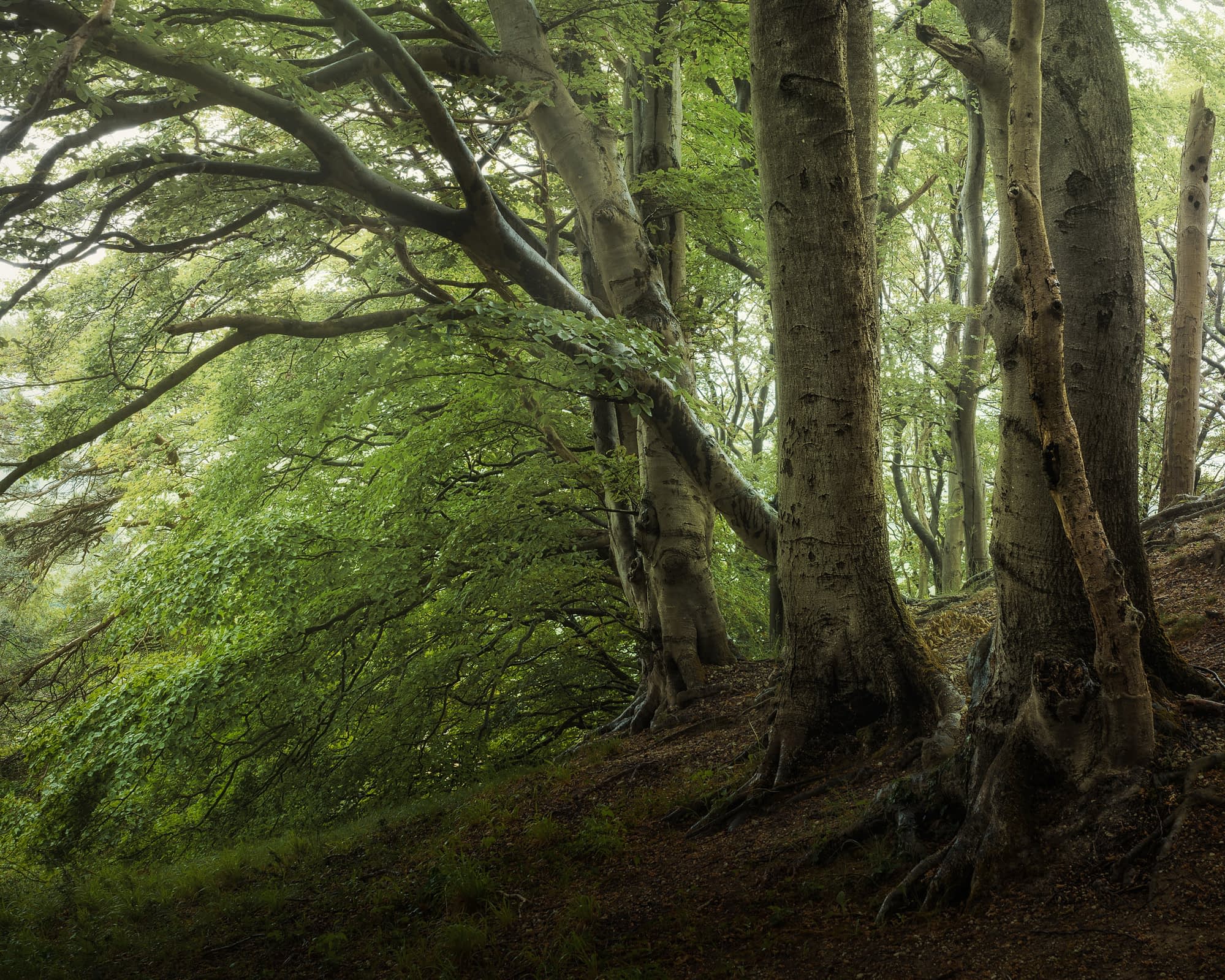
Table of Contents
Free Cheat Sheet: The Woodland Camera Settings Fix
Struggling with exposure in forests? Download this free, field-tested guide for ISO, aperture and shutter speed settings tailored to common woodland conditions.
- For mist, fog, and dappled light
- Works handheld or on tripod
- Compact, printable, field-friendly
Why Most Filter Advice Fails in Woodland Environments
The Graduated ND Problem
Search for "best photography filters" and you'll find graduated neutral density filters on nearly every list. They're presented as essential kit, right up there with UV protectors and polarisers. The logic makes sense for landscape work. Bright sky, dark foreground. Balance the exposure with a grad ND and you're sorted.
Except in woodlands, there's rarely any sky.
Closed-canopy environments don't have the exposure challenges that grad NDs are designed to solve. You're working with dappled light filtering through leaves, subtle gradations of tone from canopy to forest floor, maybe a sliver of brightness where branches part. There's no hard horizon line to align the filter against. No dramatic sky-to-land transition that needs darkening. Trying to use a grad ND in these conditions just muddies the frame, creating an artificial darkening where none is needed.
The advice persists because it's copied from generic gear guides written for open landscapes. Coastal scenes. Mountain vistas. Places where the sky dominates half the frame. That's not the environment you're working in under the trees.
What Actually Matters Under the Canopy
Two filters do 95% of the work in woodland photography: the circular polariser and the black mist filter.
The polariser handles the biggest problem you'll face in wet conditions, controlling specular highlights without flattening the scene completely. The black mist filter serves a narrower purpose. It enhances existing glow on those rare mornings when fog is lifting and the woods are about to be bathed in soft light. Used sparingly, it's subtle and effective. Overused, it looks artificial.
ND filters have their place, but it's niche. Enhancing the movement of branches on a windy day, or controlling shutter speed when there's flowing water in the frame. A stream cutting through the composition, a small waterfall in the background. That's when an ND earns its keep. The rest of the time, it stays in the bag.
If you're building a filter kit for woodland work, start with the polariser. Everything else can wait.
The Circular Polariser – Your Essential Woodland Photography Filter
What a Polariser Does (Light Science, Briefly)
Light waves vibrate in all directions as they travel. When light reflects off a non-metallic surface like a wet leaf, water droplet, or glossy bark, it becomes polarised. The waves align in a specific direction, creating glare. A circular polariser blocks these aligned waves while letting the rest of the light through.
Rotate the filter and you control how much of that polarised light reaches your sensor. More rotation, less glare. Simple physics, but the effect in wet woodlands is significant.
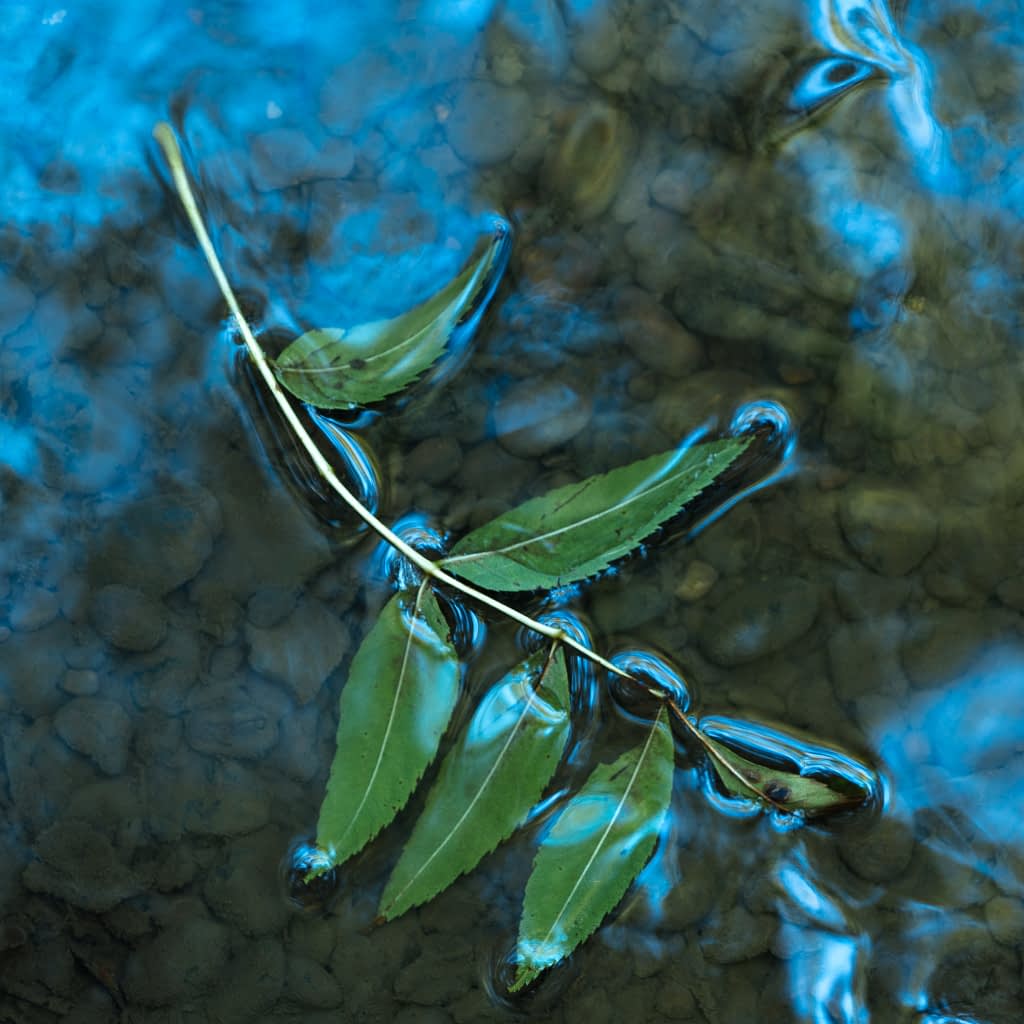
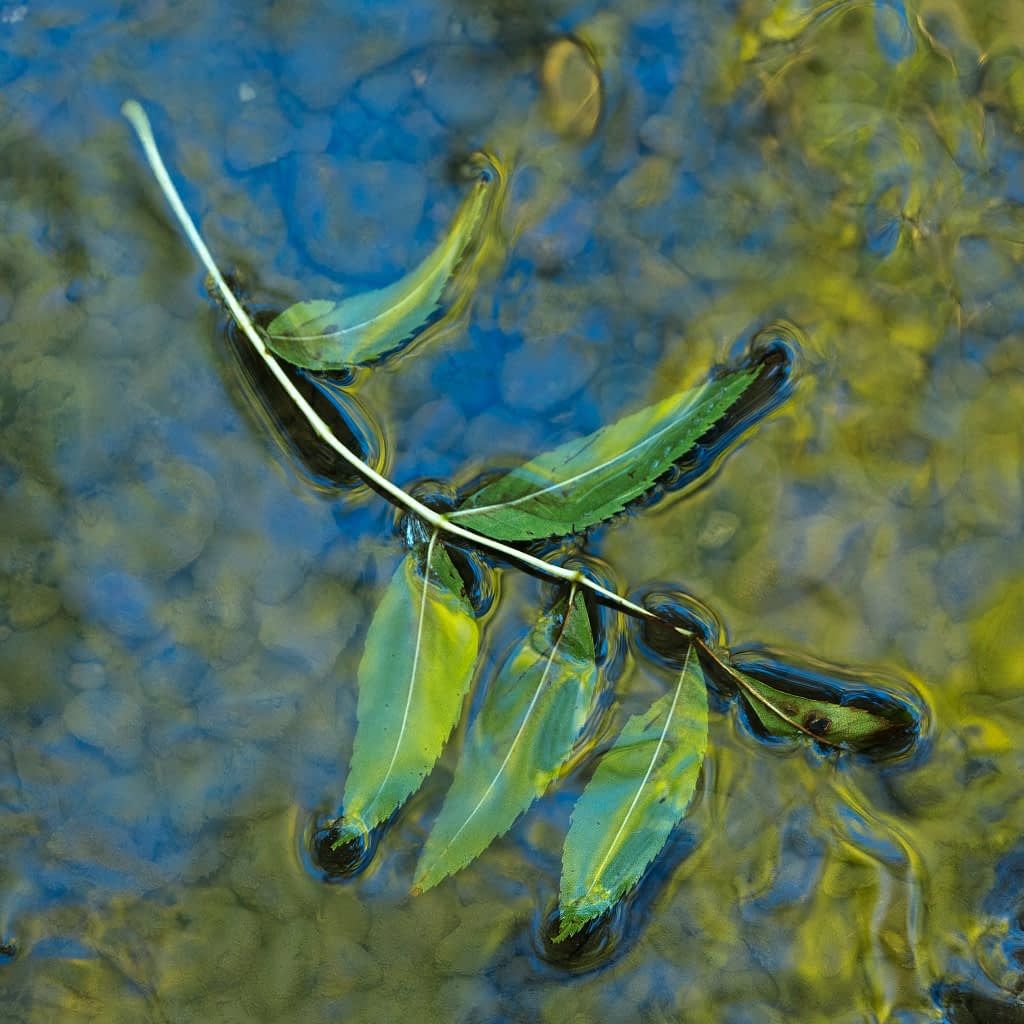
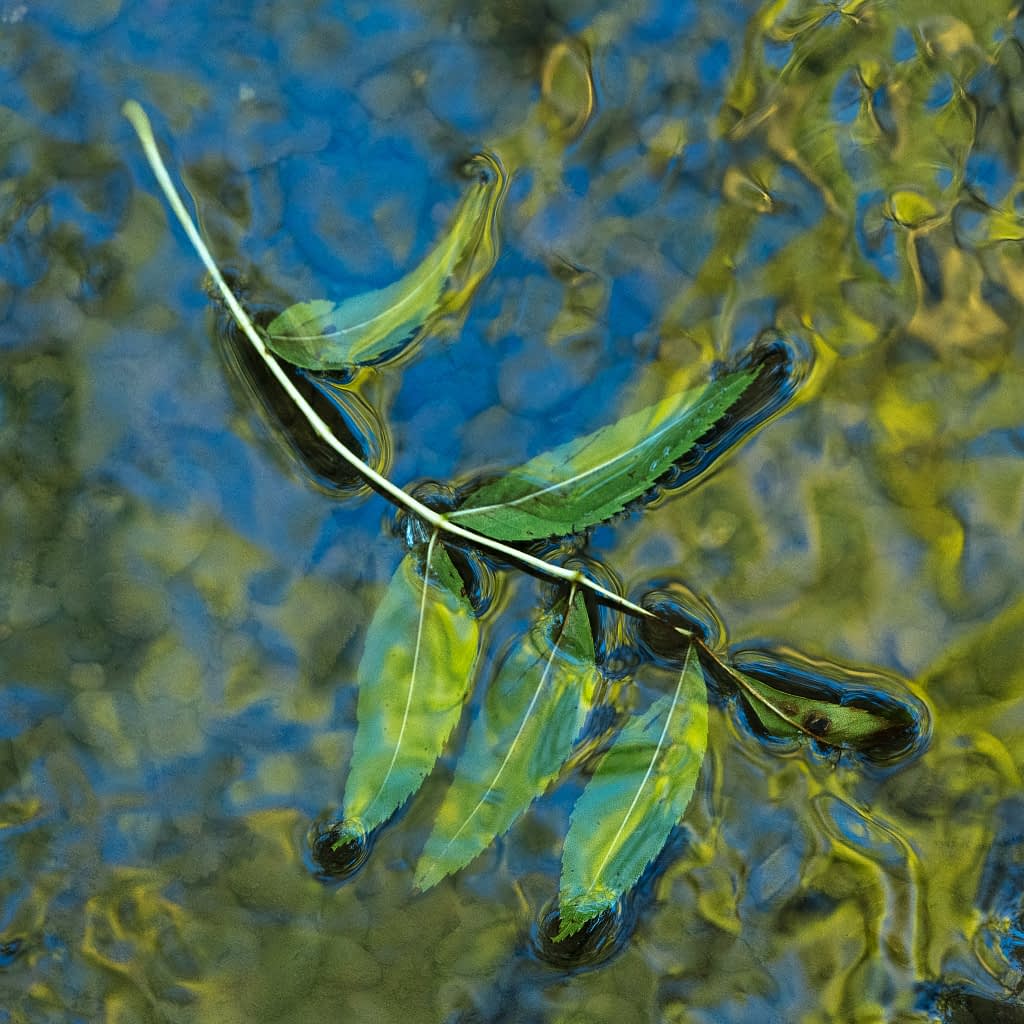
The reason it matters: those specular highlights on every wet surface create visual chaos. Your eye can't settle on a focal point because there are bright spots competing for attention across the entire frame. The polariser cuts that chaos down, letting the actual structure of the scene come through. Texture, form, colour saturation. The things you're actually trying to photograph.
The Subtlety Secret
I spent my first few months with a polariser making the same mistake. I'd rotate it until all the highlights disappeared. Maximum effect. Clean, saturated colours and no distracting reflections.
The images looked awful.
Flat. Lifeless. Oversaturated to the point where the woods didn't feel real anymore. I'd removed the problem, but I'd also removed the quality that makes wet woodland scenes compelling in the first place. That subtle glistening on leaves and bark, the sense that everything is alive and breathing, the dimension that comes from light interacting with surfaces in natural ways.
The lesson took longer than it should have done. Don't max out the polariser. Use it to reduce the chaos, not eliminate it completely. You're aiming for control, not sterility. Dial it back before you hit full effect. Leave some of those highlights intact. They're what give the scene life.
When to reach for it: during rain, after rain, on dewy mornings, or when the air feels thick and muggy. These are the conditions where surfaces hold moisture and create the kind of specular highlights that clutter your frame. Don't bother in direct sunlight. The polariser won't fix harsh glare from the sun itself, and you'll just end up with uneven darkening across the frame.
Case Study – Ancient Beech Trees in Autumn
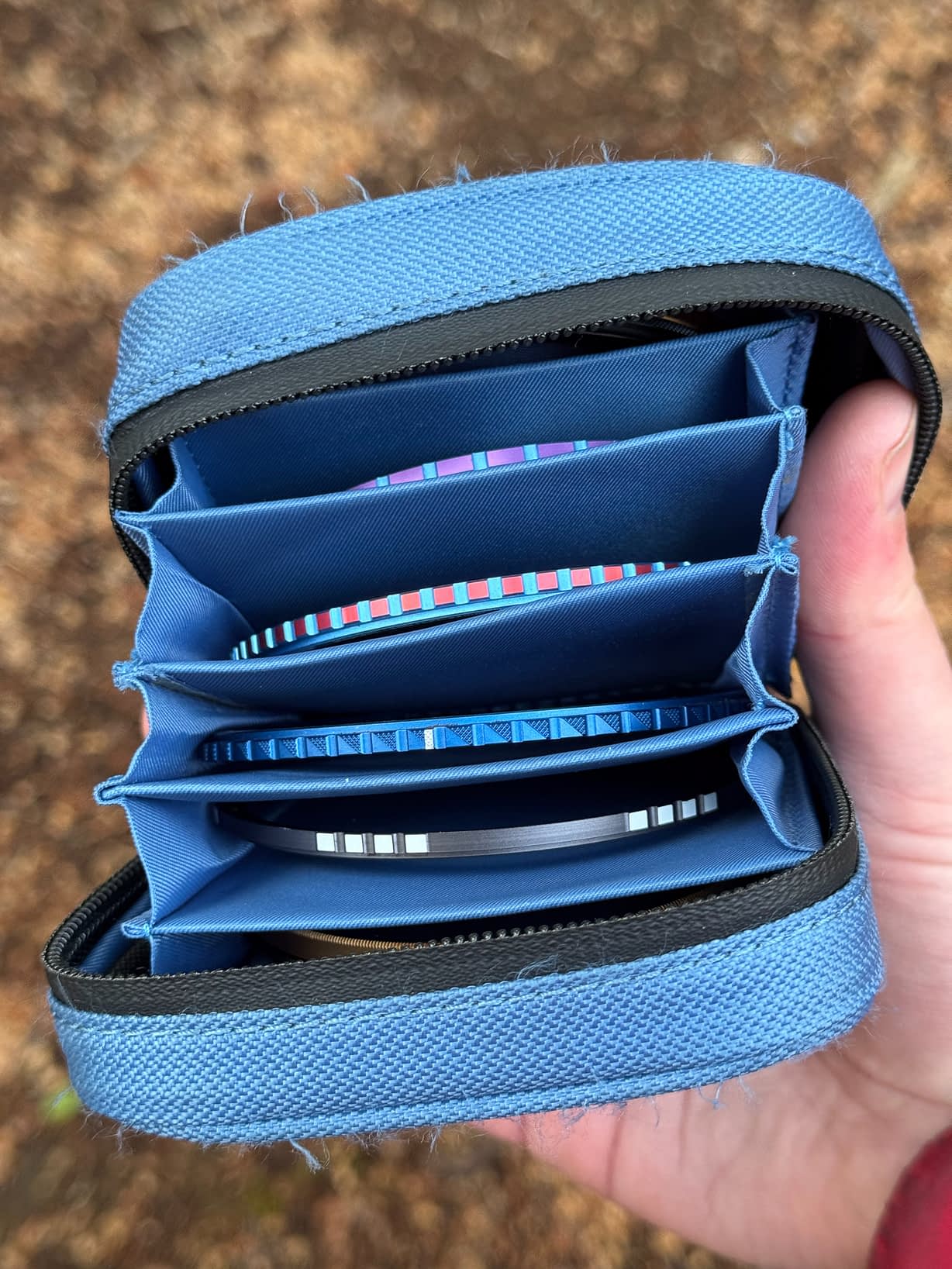
I shot these two frames within seconds of each other on a damp, windy October morning. The conditions were difficult. Light rain had passed through overnight, leaving every surface wet, and the wind was strong enough to make longer exposures risky.
The first frame, shot without the polariser, shows the problem clearly. Specular highlights everywhere. On the beech trunks, across the ferns in the foreground, scattered through the canopy. Your eye doesn't know where to look. The composition is there, two ancient pollarded beeches anchoring the frame with autumn ferns rolling away in front of them, but the visual noise drowns it out.
Second frame, same composition, partial polarisation. I rotated the filter about two-thirds of the way to maximum, stopping before the highlights vanished completely. The chaos is gone, but the scene still has dimension. Light still catches the main beech on the left, giving it presence. The ferns retain some texture. The glistening quality that makes wet autumn woodland compelling stays intact.
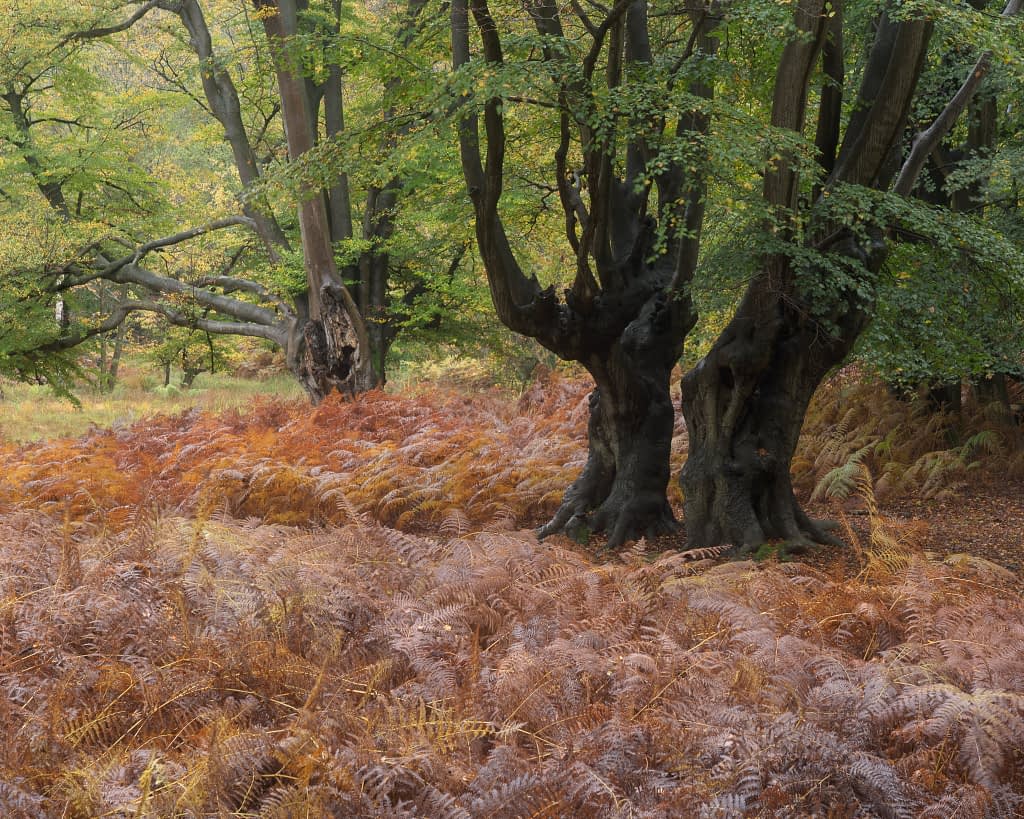
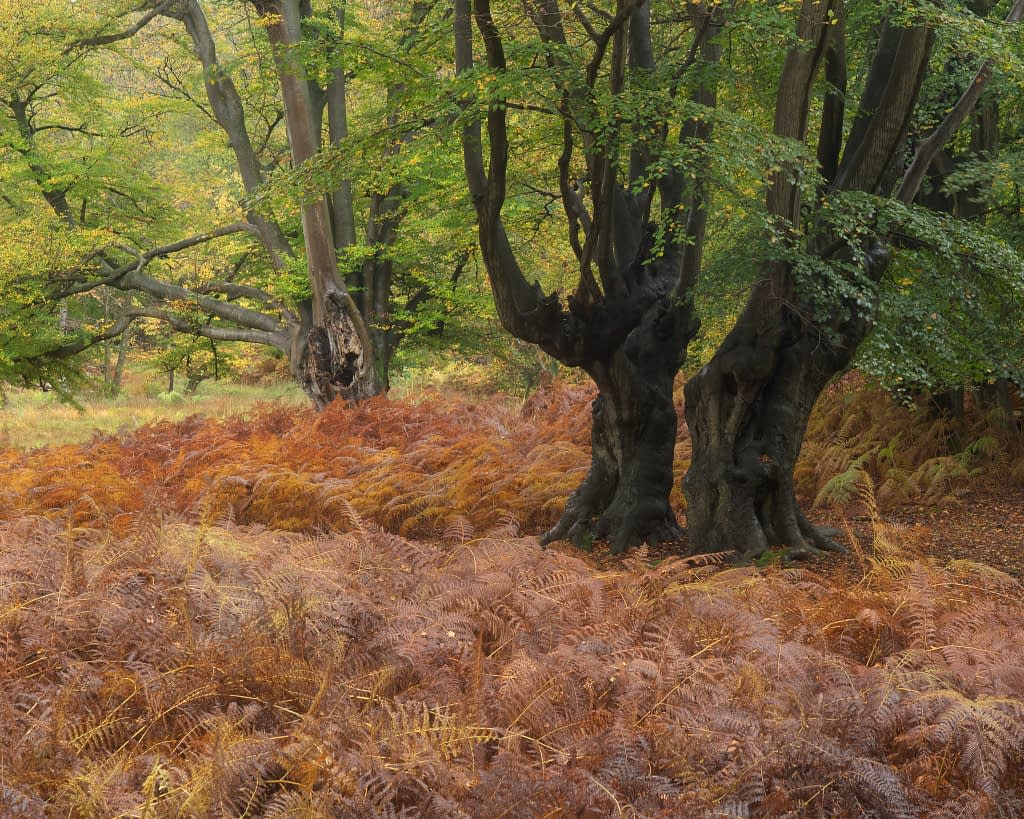
Settings shifted to compensate for the light loss. ISO 100 to ISO 400, shutter speed from 1 second down to 0.6 seconds, aperture held at f/11 for depth. The wind meant I needed that faster shutter, even with the ISO bump. Worth it to freeze the fern fronds.
What beginners miss in scenes like this: the foreground is a supporting act, not the main subject. Those ferns matter because they lead you into the frame, but they're not why the image works. The ancient beeches in the mid-ground carry the weight. The scarred tree in the background adds a third layer of interest. Read the scene in depth, not just front to back.
Nailed your filter choice? Now dial in the settings. Download the free Woodland Camera Settings Cheat Sheet to pair your new polariser with the right exposure, aperture, and ISO for wet-day woodland shoots.
Black Mist Filters – Use Sparingly (and Only When There's Already Glow)
When Black Mist Works
Black mist filters have a narrow window of usefulness in woodland photography. They don't create atmosphere. They enhance what's already there.
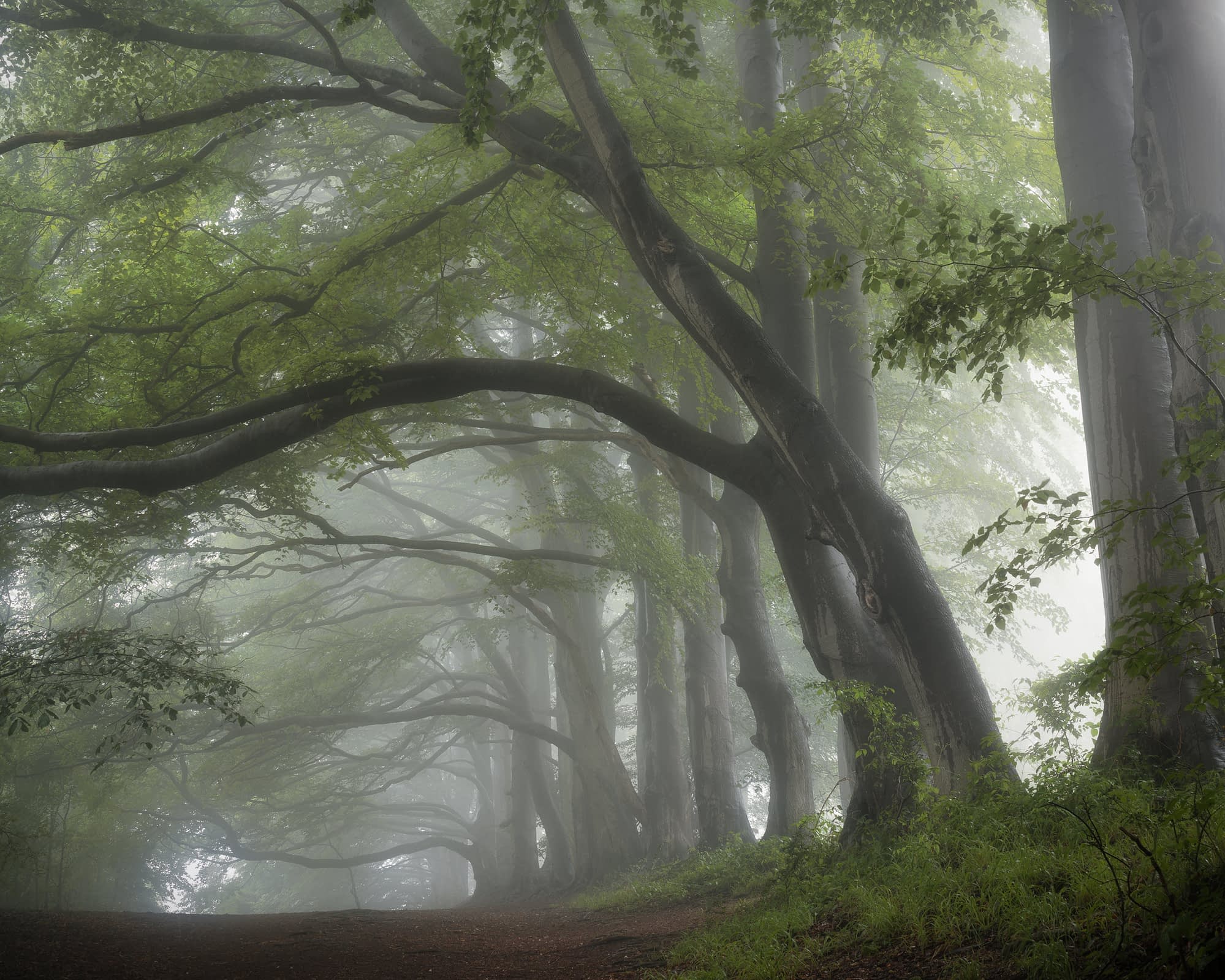
The conditions need to be specific. Misty mornings as the fog starts to lift. Rain clearing with the woods about to be bathed in diffused light. That brief period where there's a natural glow in the air, a softness to the way light moves through the trees. The black mist filter takes that existing quality and amplifies it subtly, adding a gentle bloom to highlights without turning the scene into something artificial.
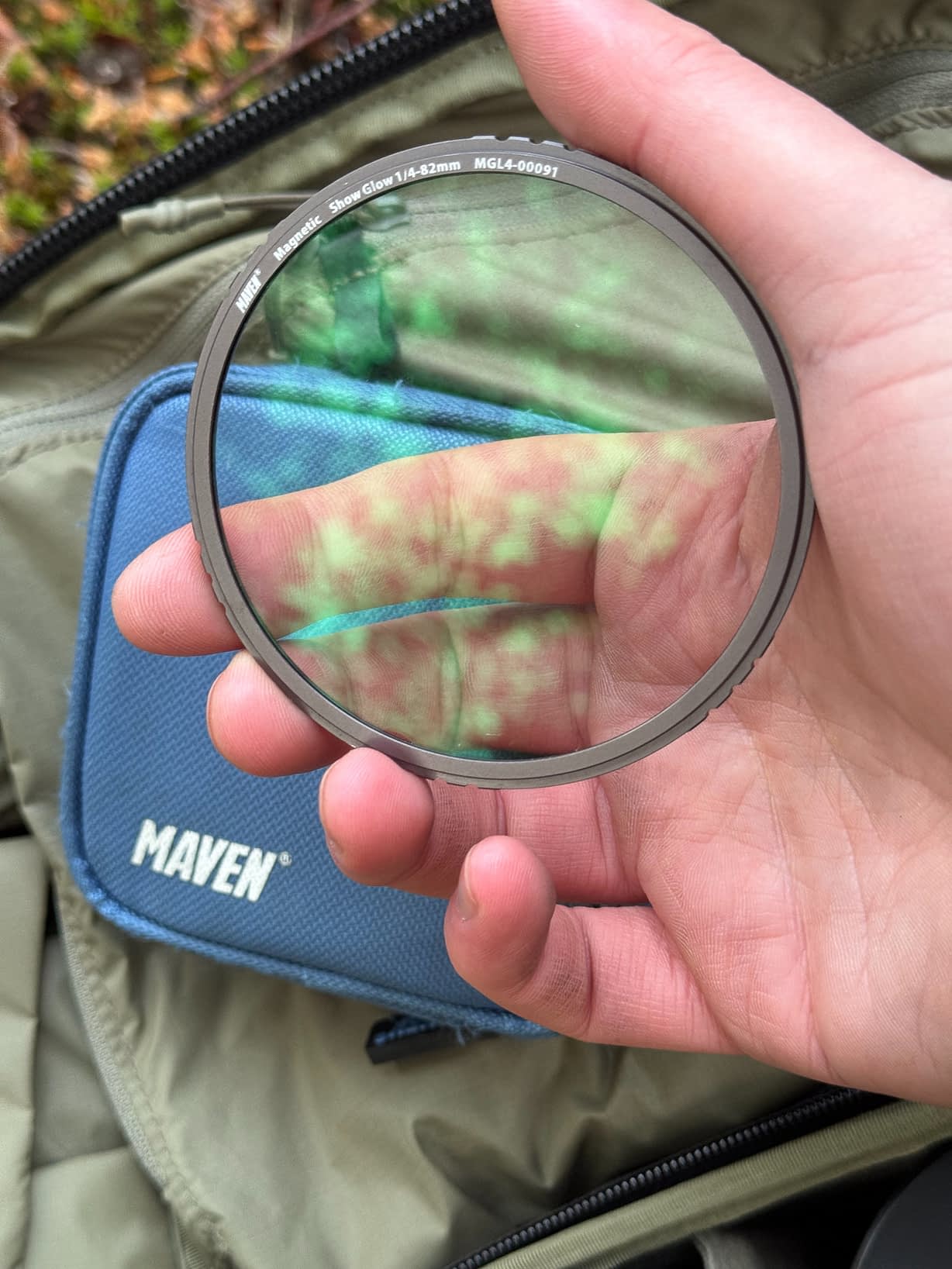
I use 1/4 strength almost exclusively, but also carry a 1/8 strength for more delicate scenes. The 1/2 strength filter sits in my drawer. It's too heavy-handed for the kind of delicate light you get in woodlands. The 1/4 gives you just enough effect to enhance the mood without announcing its presence, but sometimes the 1/8 strength filter is more suited to the scene. The final image should look like a particularly good morning in the woods, not like you've applied a filter.
The glow comes from light scattering as it passes through the filter's diffusion layer. Highlights bloom slightly. Contrast softens. Shadows stay clean. When the light is already doing something interesting, this can push it further. When the light is flat or harsh, the filter just makes things worse.
When to Leave It in the Bag
Direct sunlight renders the black mist useless. The bloom becomes too pronounced, highlights blow out, and you lose detail you can't recover in post. The effect stops being subtle and starts looking like a mistake.
Heavy fog presents the opposite problem. The scene already lacks contrast. Adding diffusion on top just pushes it further into muddiness. You end up with a soft, low-contrast mess that doesn't hold together. The filter works when there's glow breaking through mist, not when you're buried in it.
Most of the time, the black mist stays off the lens. I'll carry it, check conditions, and put it back. The polariser gets used on nine out of ten woodland shoots. The black mist might see action once or twice in a season. That's the reality of how often the conditions actually suit it.
If you're starting your filter collection, skip the black mist until you've spent serious time with the polariser. Learn to read light first. Understand when a scene has natural glow worth enhancing. Then, if you find yourself consistently shooting in misty conditions and thinking "this needs just a touch more", consider the 1/8 strength filter. Not before.
What About ND Filters? (And Why You Probably Don't Need Them)
I carry both 3-stop and 6-stop ND filters, with built in polarisers. They get used maybe no more than ten times a year in woodland environments.
The scenarios are specific. Strong wind moving through the canopy and I want to emphasise that movement, turning sharp branches into soft gestures of motion across the frame. A stream cutting through the composition where I need precise control over how much blur appears in the water. A small waterfall in the background that needs smoothing without pushing the shutter speed so slow that the rest of the frame goes soft from camera shake or subject movement.
These are edge cases, not everyday shooting conditions.
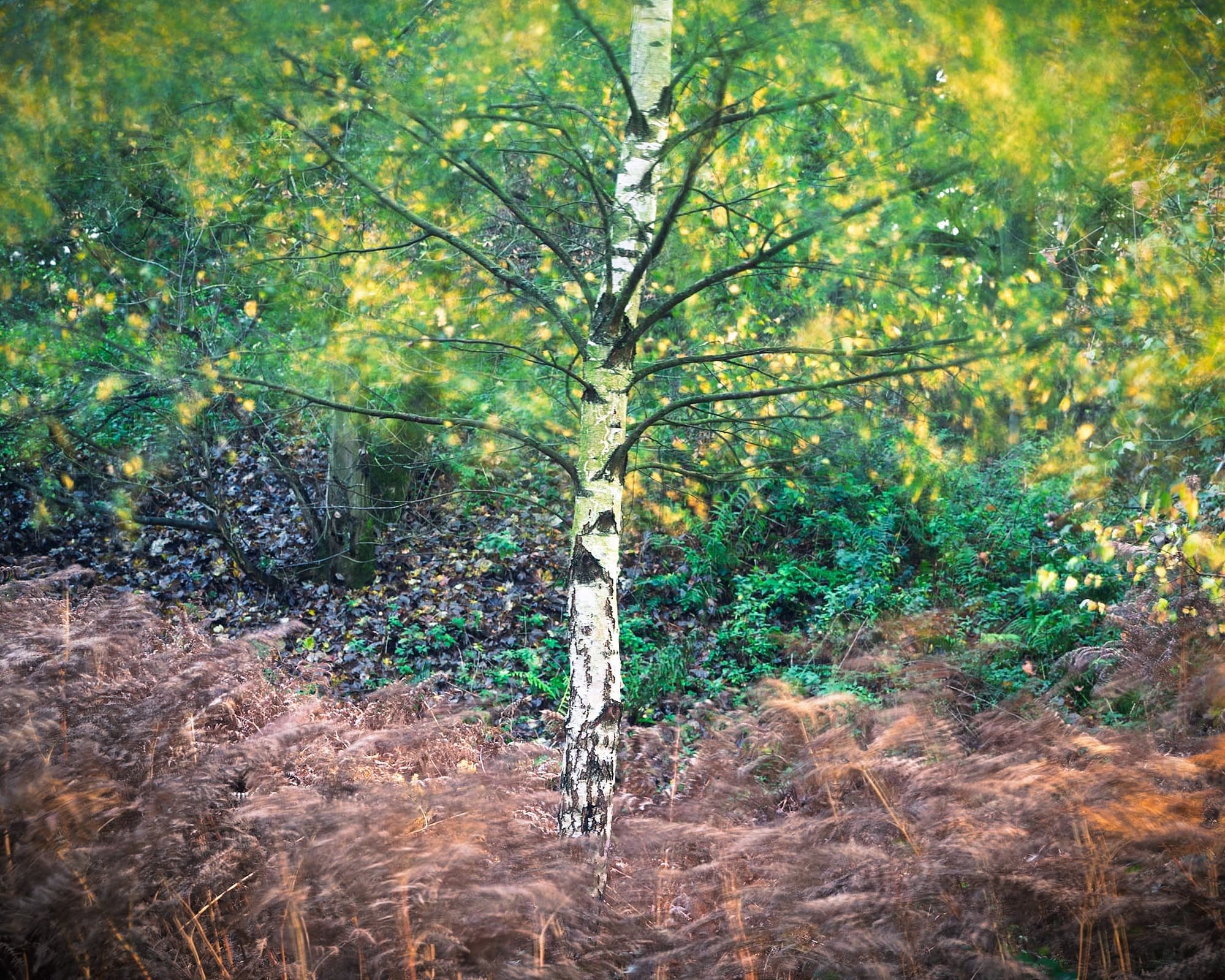
Closed-canopy woodlands are naturally dark. Even on bright days, the light filtering through leaves rarely demands heavy neutral density filtration to achieve longer exposures. You can often hit 1/4 second or slower at f/11, ISO 100 without any ND at all. Add a polariser and you're dropping another stop or two of light (though the ones I use are exactly 3 and 6 stops respectively). Stack an ND on top and you're working in exposures so long that any breath of wind turns foliage into mush.
The common advice says ND filters are essential for long exposure work. That's true for waterfalls in full sun, coastal scenes, anywhere you're fighting bright conditions. Under the trees, you're rarely fighting brightness. You're managing dim, shifting light that's already pushing you slower than you'd like.
If you're building a filter kit from scratch, the ND comes last. Get the polariser. Learn to use it properly. Shoot through a full season and see what problems you actually encounter. If you find yourself repeatedly wanting to slow the shutter beyond what the available light allows, then consider a 3-stop or 6-stop ND, perhaps with the built-in polariser. Not before. Don't buy gear to solve theoretical problems.
The Three-Rule Woodland Photography Filters Cheat Sheet
After years of working through different conditions, different woods, different light, the approach has simplified down to three principles.
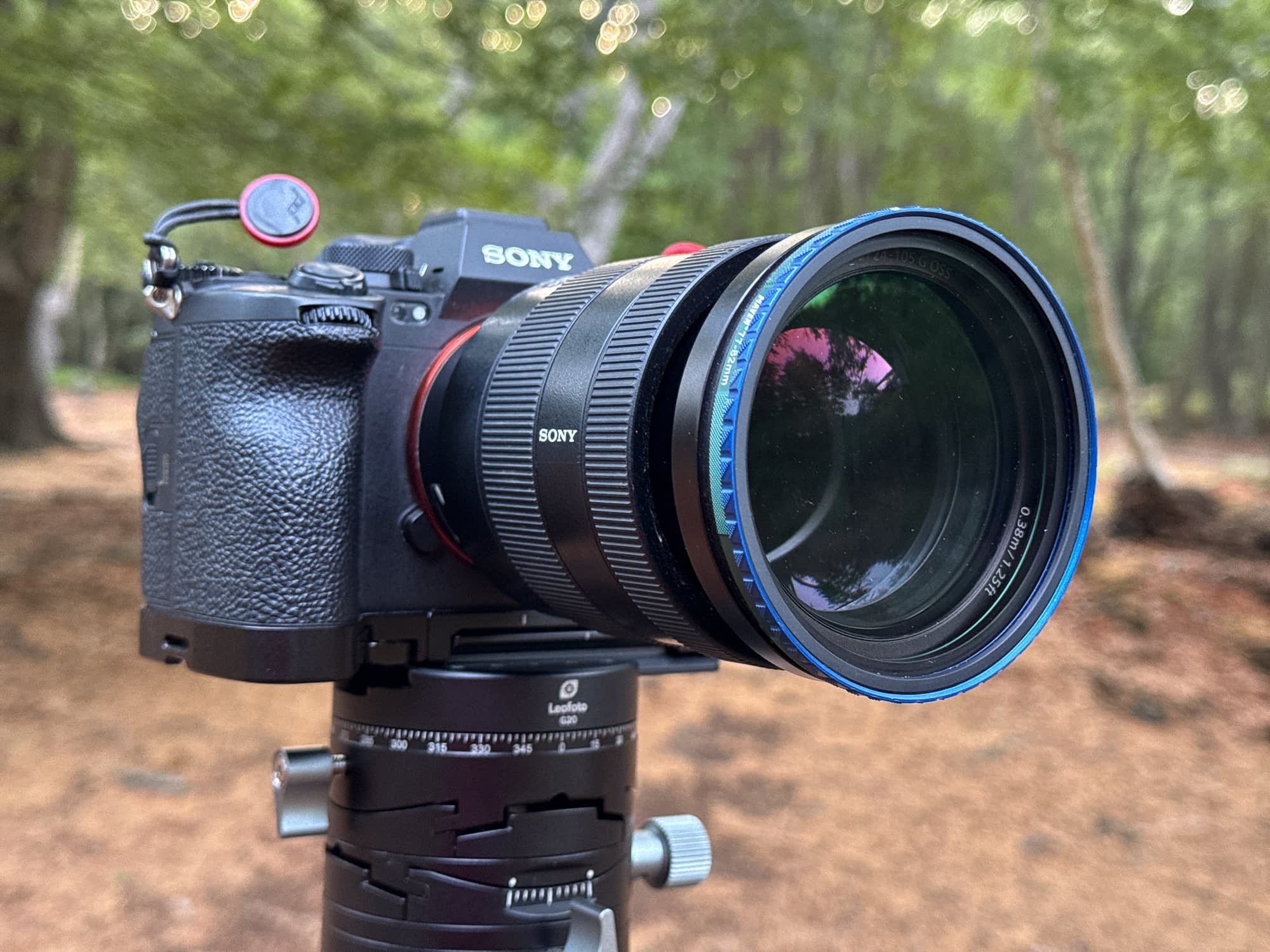
1. If you can only carry one filter, make it a polariser
It handles the single biggest challenge you'll face in woodland photography: specular highlight chaos on wet surfaces. That's the problem that ruins more woodland frames than any other. Poor light you can work around. Cluttered compositions you can reframe. But when every leaf, branch, and patch of bark is throwing highlights at the camera, there's no compositional trick that saves the shot. The polariser solves it.
Everything else is situational. The black mist works in rare conditions. The ND covers niche use cases. But the polariser earns its place in the kit on almost every shoot where moisture is present. Which, in British woodlands, is most of them.
2. Use filters sparingly. Aim for natural, believable results
The goal isn't to show off that you own filters. It's to make images that feel like honest representations of what you saw. If someone looks at your work and immediately thinks "heavy filtration", you've pushed too far.
This applies most obviously to the polariser. Rotate it until the chaos settles, then back off slightly. Leave some of the glistening quality intact. It applies to the black mist too. If the bloom is obvious, you've overdone it. The filter should enhance what's already happening in the scene, not create something new.
3. Combine filters thoughtfully (if at all)
Polariser and black mist can work together on the right morning. Misty conditions with wet surfaces, light just starting to break through the canopy. The polariser controls the specular highlights, the black mist amplifies the natural glow. But both need to be dialed back more than you'd use them individually.
The risk with stacking filters is that small misjudgments compound. Too much polarisation plus too much diffusion equals a scene that looks processed, not photographed. Always shoot a comparison frame without filters, or with just one, so you can see whether the combination actually improves the image or just complicates it.
Most of the time, one filter does the job. Use it well and get out of the way.
The Mistake That Cost Me Sharp Images (A Failure Lesson)
I thought I'd figured it out. Wet woodland, circular polariser, rotate until the highlights disappear. Clean, saturated colours. No visual noise. Problem solved.
Except the images didn't work.
They looked technically correct. Sharp, well-exposed, rich colour saturation. But something was missing. The scenes felt flat, like looking at a photograph of a painting rather than a photograph of an actual place. The depth had gone. The sense that light was interacting with real surfaces in complex ways had vanished. What I'd gained in cleanliness, I'd lost in dimensionality.
It took longer than it should have to realise what I was doing wrong. I was treating the polariser like an on/off switch. Maximum effect or nothing. The idea that I should stop short of full polarisation, that leaving some specular highlights intact was actually the point, hadn't occurred to me. I was solving a problem so thoroughly that I was creating a new one.
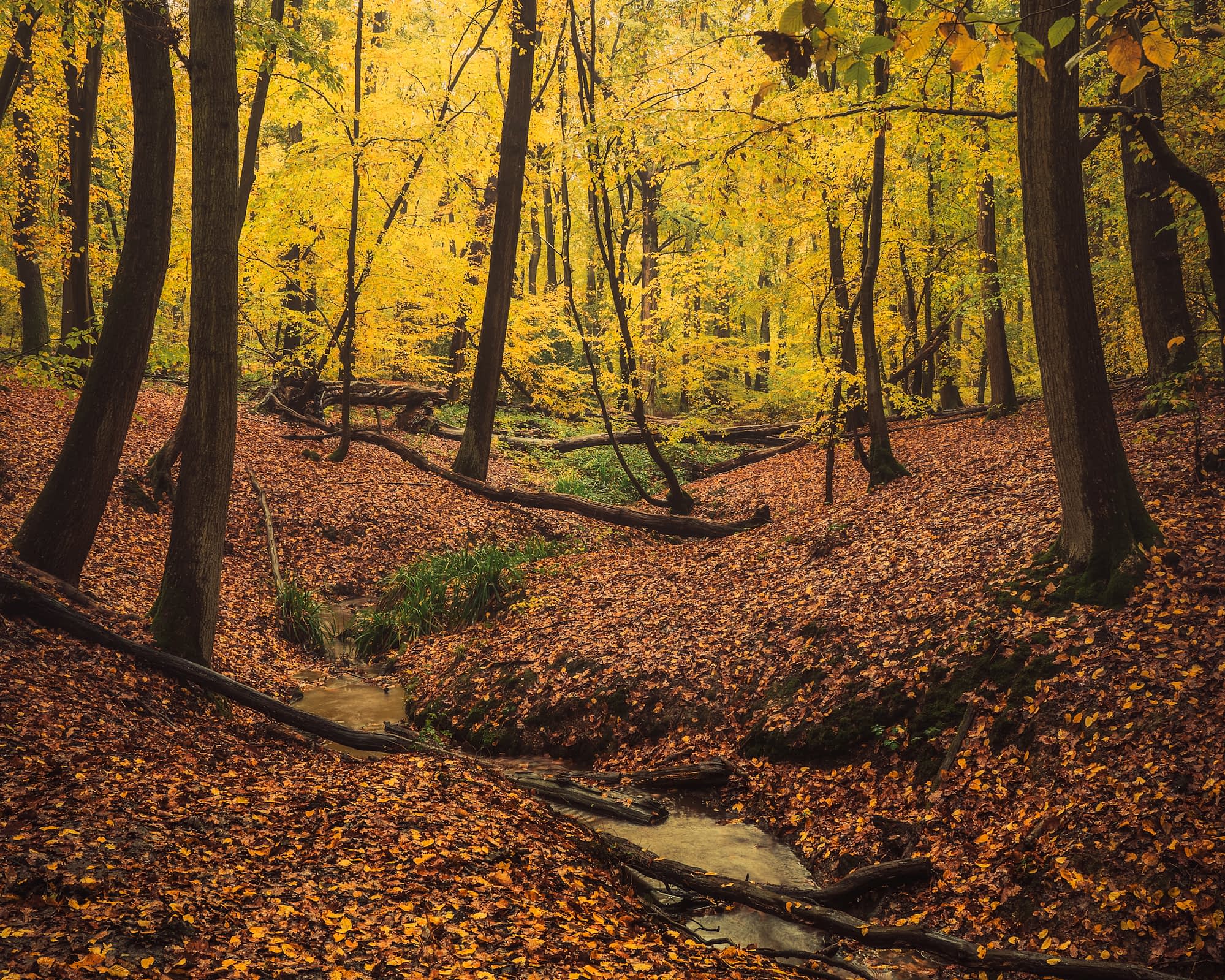
The turn came on a morning in a beech woodland after heavy rain. I'd set up on a composition I liked, rotated the polariser to maximum as usual, and shot the frame. Something looked off. I rotated the filter back halfway and shot again. Better, but still not quite there. Backed it off a bit more, leaving maybe a third of the highlights visible. That one worked.
I learned two things that morning. First, the polariser is a control, not a solution. You're managing the balance between chaos and sterility, not eliminating one to achieve the other. Second, those glistening highlights aren't just clutter to be removed. They're part of what makes wet woodland scenes feel alive. Remove them completely and you lose the quality that drew you to the scene in the first place.
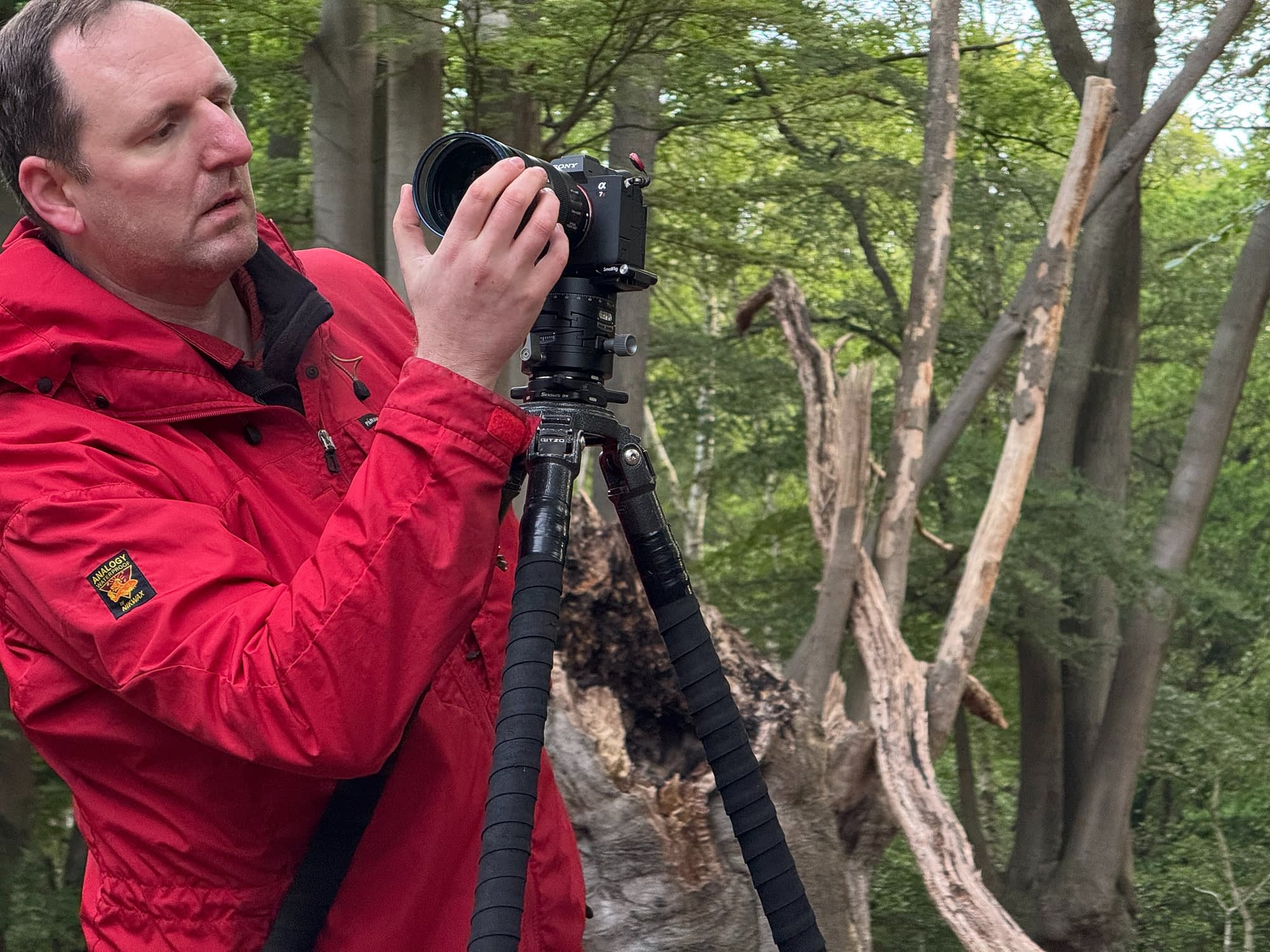
Now I rotate the filter while watching through the viewfinder, stopping when the composition settles rather than when the effect maxes out. Usually that's somewhere around two-thirds rotation. Sometimes less. The highlights are still there, but they're not overwhelming the frame. The scene has dimension. It looks like a place you could step into, not a flattened rendering of one.
Conclusion
Two filters do the heavy lifting in woodland photography. The circular polariser handles specular highlight chaos on wet surfaces. The black mist enhances natural glow in rare, specific conditions. ND filters cover niche uses when you need motion control beyond what the available light allows.
If you're starting from scratch, invest in a quality circular polariser first. Not the cheapest option, not the bundle deal with five filters you don't need. A proper polariser that'll last years and deliver consistent results. The buy-right-buy-once principle applies here more than almost anywhere else in photography. A cheap polariser introduces colour casts, softens your images, and costs you sharpness you can't recover. A good one becomes invisible in your workflow, doing its job without compromise.
Everything else can wait until you've spent a season with that polariser, learning to read light and control highlights without over-processing the scene. Then, if you find yourself consistently shooting in misty conditions, consider the black mist. If you're working with moving water or wind-blown foliage regularly, add an ND. But only when you've encountered the actual problem those filters solve, not because a gear list told you to buy them.
The woods will still be there. The light will keep changing. Take your time, build the kit you actually need, and spend the money you save on getting out there more often.

Can I use a linear polariser instead of a circular polariser for woodland photography?
If you're shooting mirrorless, yes. Linear polarisers work perfectly well with mirrorless camera systems because they don't interfere with autofocus or metering. I use a linear polariser for most of my work. The optical effect is identical to a circular polariser, but linear polarisers offer slightly better colour accuracy because they don't have the additional quarter-wave plate that circular versions use.
The circular polariser requirement only applies to DSLRs, where the mirror and pentaprism system can cause metering issues with linear polarisation. If you're shooting DSLR, stick with circular. If you're mirrorless, either works, but linear gives you that marginal colour improvement.
Price isn't necessarily different between the two. The main limitation with linear polarisers is availability in combination filters. You won't find linear polariser+ND combos, so if you want to stack effects in one filter, you'll need the circular version.
Do I need a polarising filter if I'm shooting on an overcast day?
Yes, especially in wet conditions. Overcast light still creates specular highlights on wet leaves, bark and foliage. The polariser controls those reflections even without direct sun. Some of my most effective use of the filter has been on grey, damp days where the chaos from wet surfaces was the main compositional challenge.
What strength black mist filter should I buy for woodland photography?
Start with 1/8 strength. It's subtle enough for natural-looking glow enhancement without overpowering delicate woodland light. The 1/4 strength is too heavy-handed for most conditions under the trees. If you find yourself consistently wanting more effect than the 1/8 provides, you can add the stronger version later. Most likely, you won't need to.
Can I add a polariser in post-processing instead of using a filter?
No. Polarisation is a physical light phenomenon that must be controlled at capture. Post-processing can't replicate the effect of rotating polarised light waves. You can reduce highlights in software, but you can't selectively remove polarised reflections the way the filter does. The control happens at the lens or not at all - this is why if I can only carry one filter, it is always a polariser. Everything else can be added in post-production.
