Woodland photography location guide · Hertfordshire
Heartwood Forest.
Six hundred thousand planted trees, five fragments of ancient woodland, and the only wood in this series I have watched grow from open fields.
Updated on 6 July 2026
Heartwood Forest at a glance.
County Hertfordshire, beside Sandridge, just north of St Albans
Best for Bluebells in Langley Wood, wildflower meadows in early summer, frost and fog over the young plantations, and skies
Access Open on foot at all times. The main car park is gated overnight
Nearest Station None close; the nearest are about 2.7 miles away. Arriving by car is the honest answer
Size and type 858 acres of new native woodland, wildflower meadows and five pockets of ancient woodland. The largest continuous new native forest in England, with more than 600,000 trees planted since 2009
Peak season Bluebell season in Langley Wood from last week of April to end of first week of May; the wildflower meadows from the end of May to early July
Parking Main Woodland Trust car park, AL4 9DQ. For sunrise, the two Nomansland Common car parks on Ferrers Lane, both AL4 8EG
Sixteen years watching a new forest grow
The wood itself.
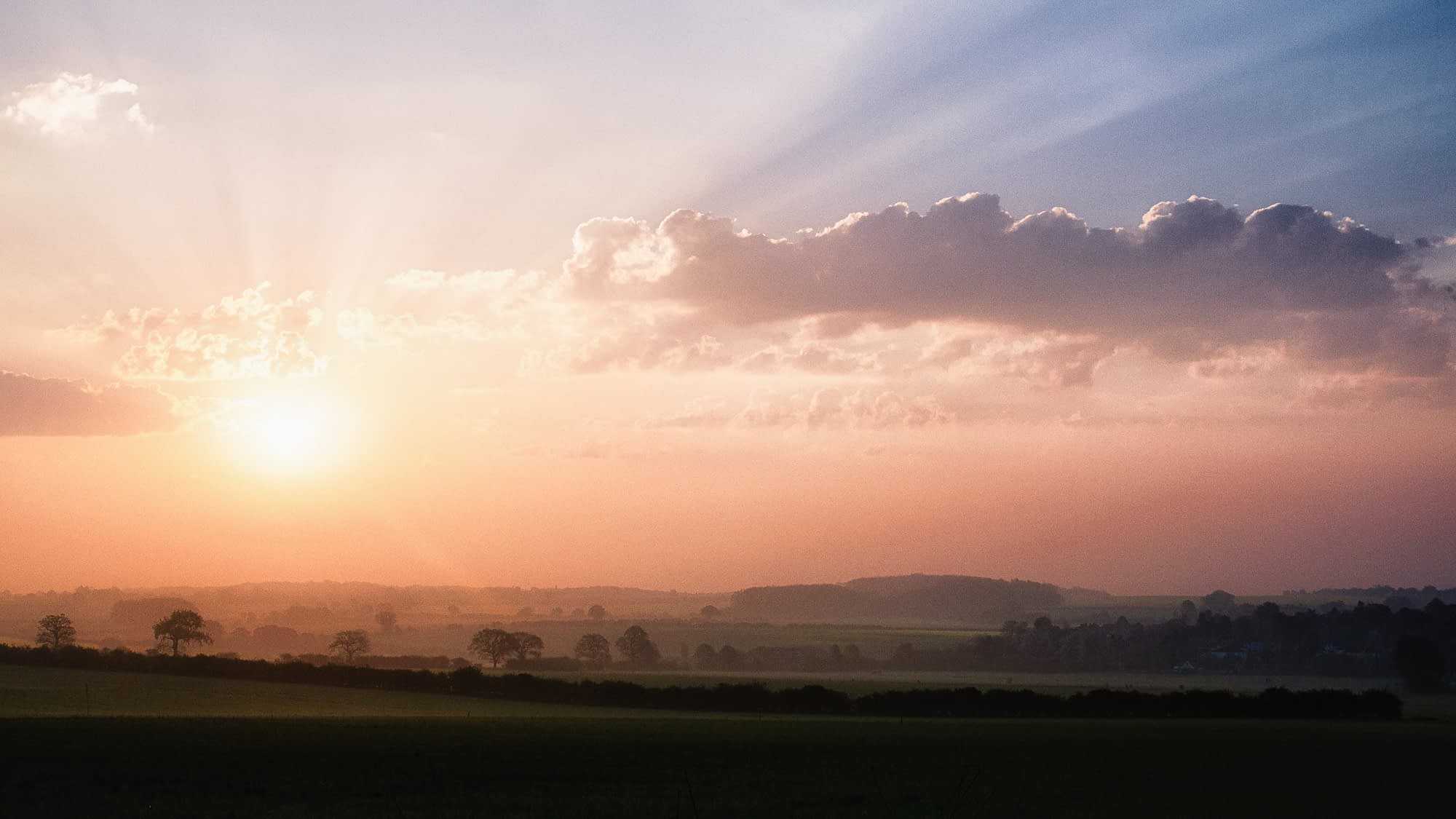
In 2010, shortly after the first trees went in, I stood in the Magical Wood and photographed the sunrise over open fields. There was nothing to block the view. The horizon ran clear across the frame, hedgerows and farmland all the way to the sky.
Stand in the same spot today and you cannot see the horizon at all. It is dense woodland now, young but closing, and somewhere in the last sixteen years the fields I photographed became a wood. I have never watched that happen anywhere else.
This was mainly arable farmland until the Woodland Trust acquired it in 2008. From 2009, thousands of volunteers planted more than 600,000 native trees across 858 acres, making Heartwood the largest continuous new native forest in England. Five pockets of ancient woodland survive inside it: Langley Wood and, at the far end of the site, Well Wood, Round Wood, Pismire Spring and Pudler's Wood. The mix is the point. Nowhere else in this series do brand-new and ancient woodland sit side by side like this, and they ask for different photographs.
I visit a couple of times a month, and I was privileged to walk the site with the Woodland Trust's site manager. What stayed with me was the sheer scale of the change, and its direct effect on wildlife: the monitoring record now lists 27 butterfly species and 87 bird species, with rare visitors recorded that include Hen Harrier. The place is free to visit and costs the Trust around £200,000 a year to keep. Both halves of that sentence deserve to be known.
From this wood
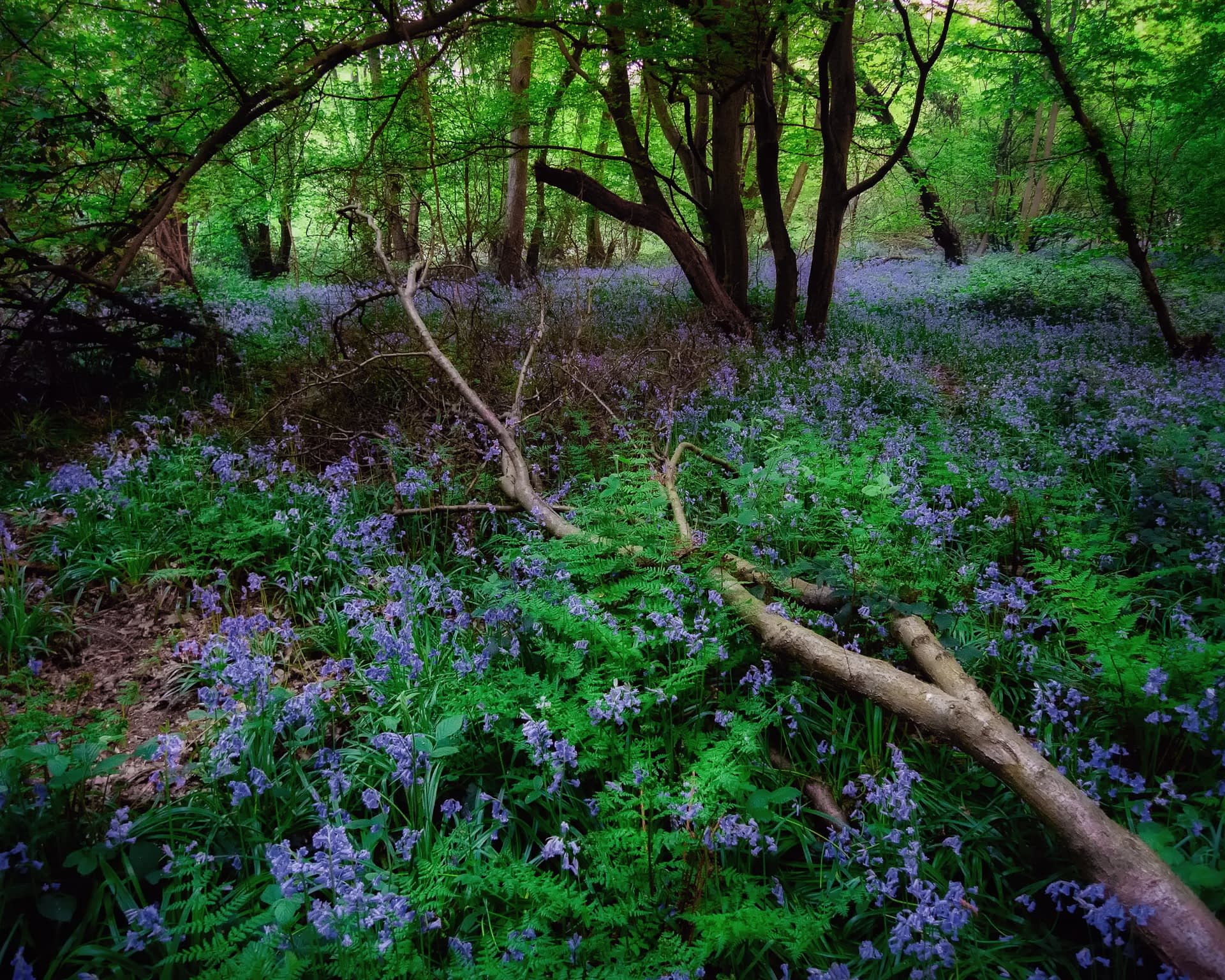
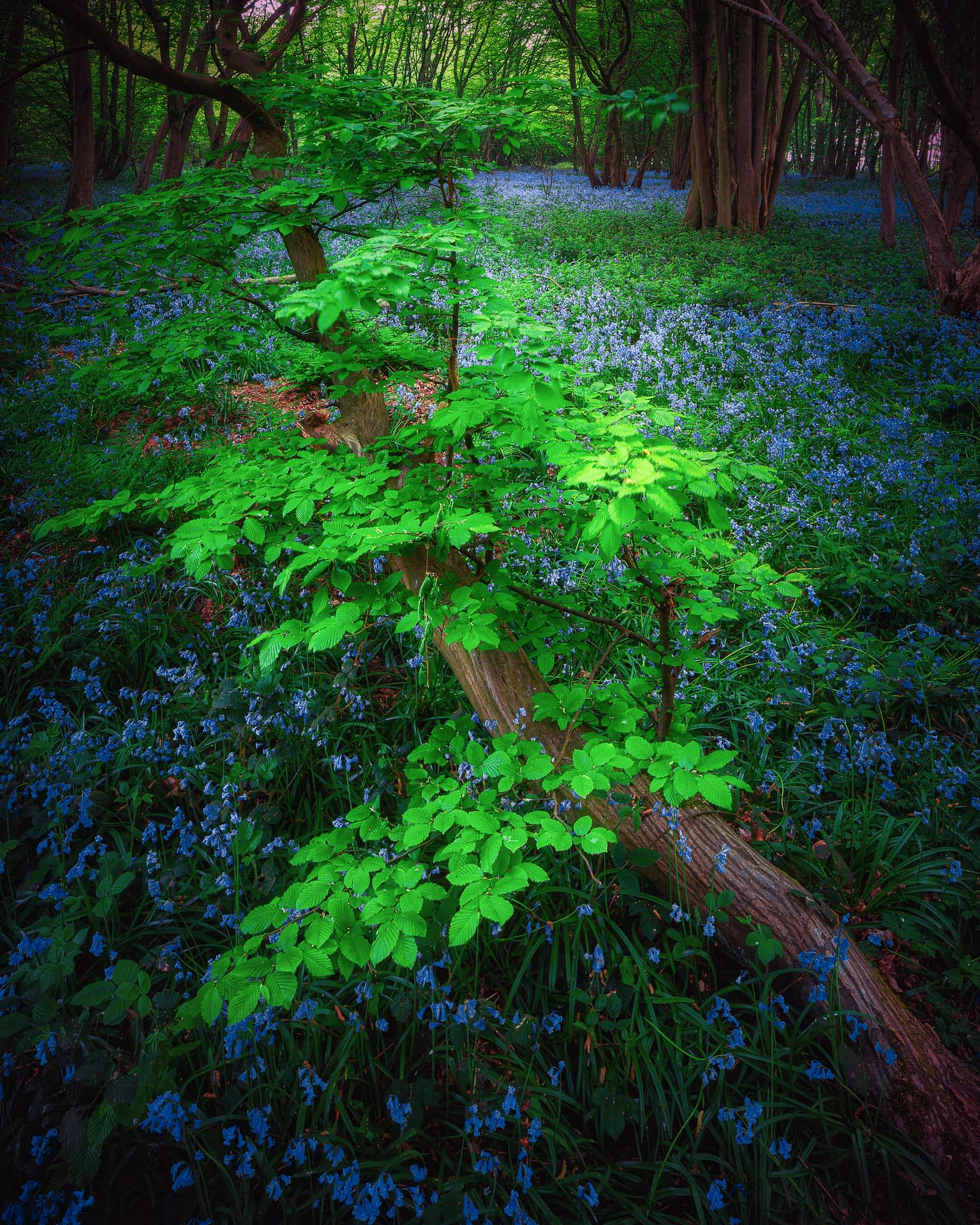
Bluebells in the ancient fragments, from the roped paths only. An acre was lost to feet in two years, and the ropes are the deal.
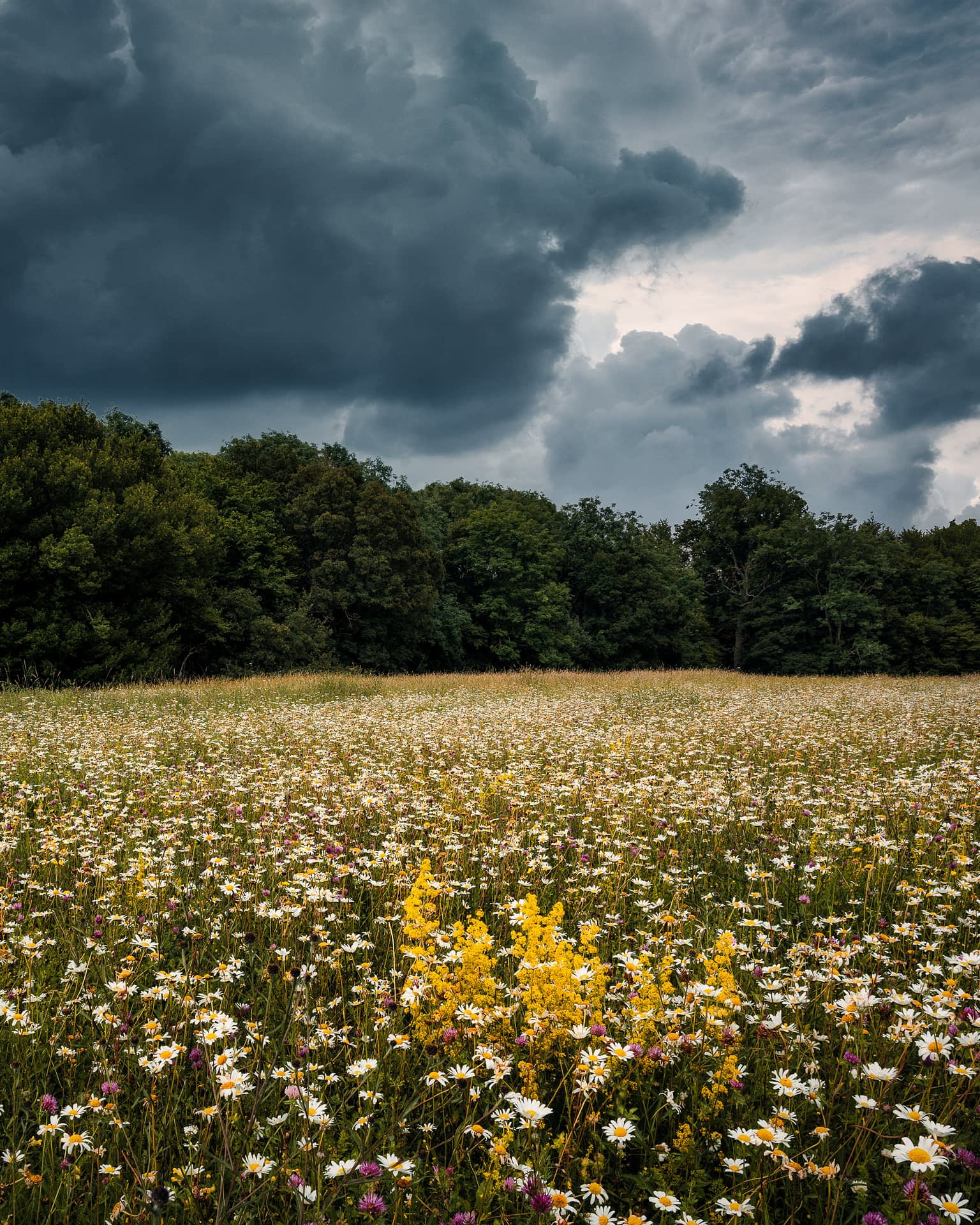
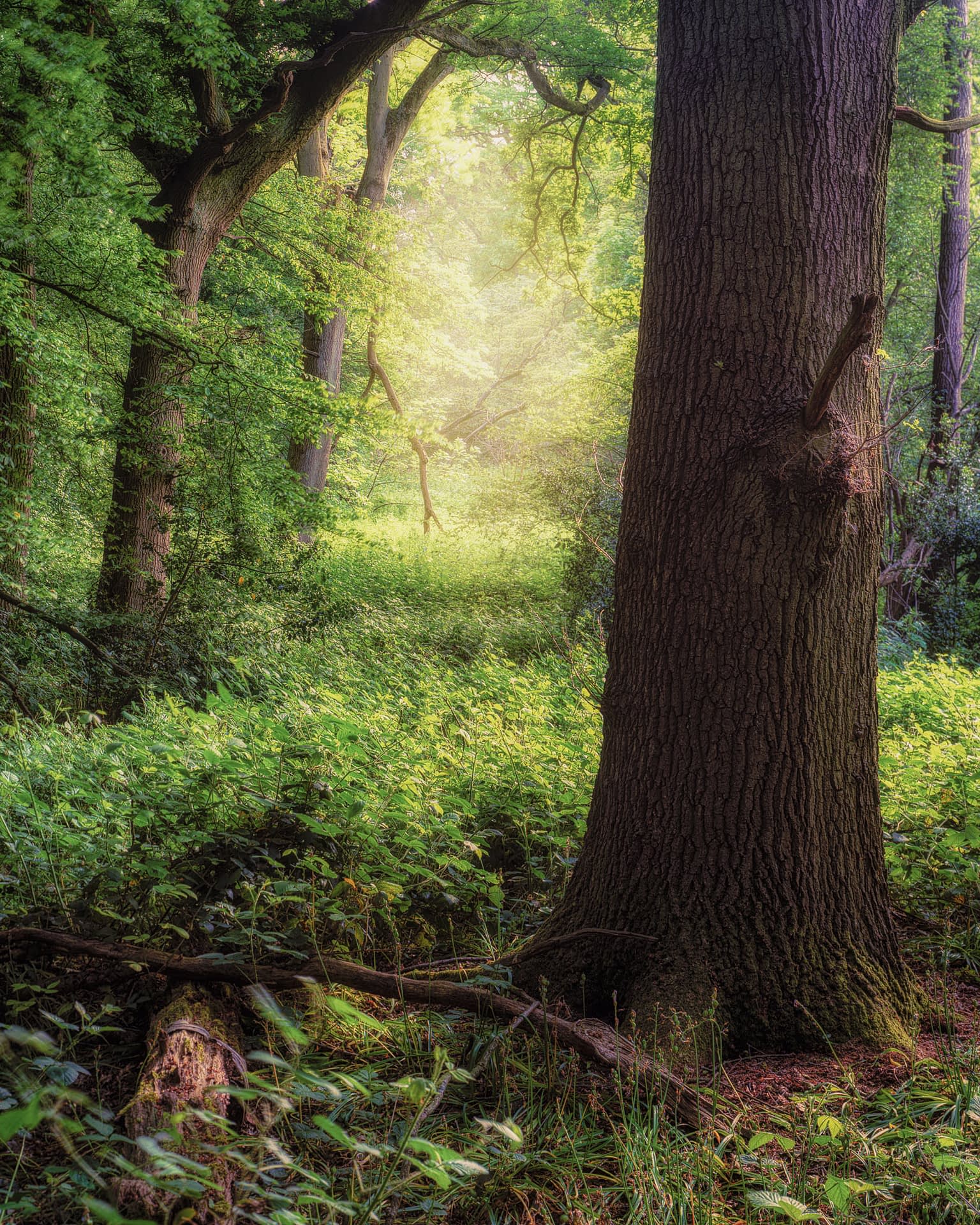
The meadows run from the end of May to early July, and the sky earns its place in the frame here like nowhere else in this series.
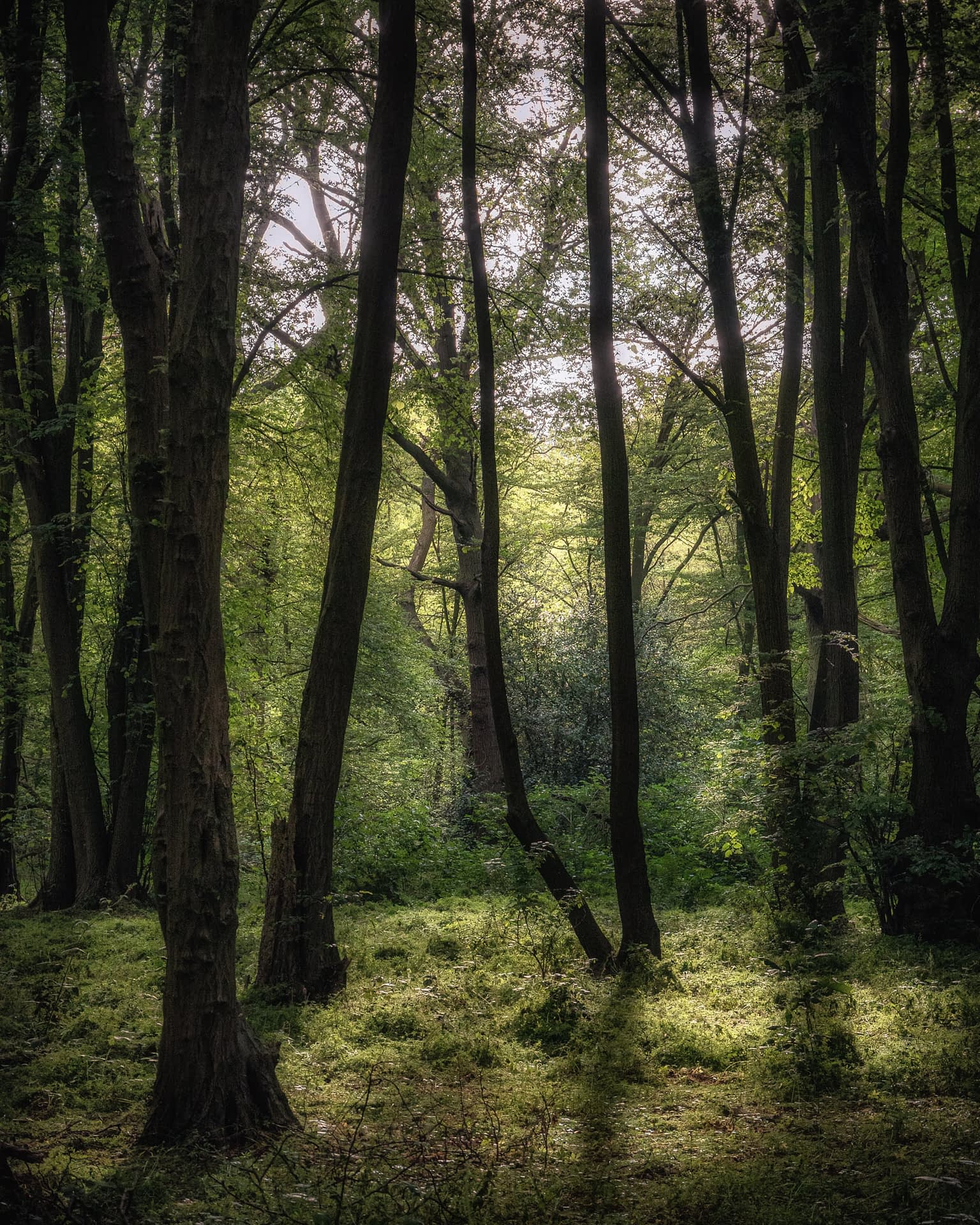
The paths confine you at Dockey, so let them compose for you. Between 35 and 70mm is the range that earns its keep.
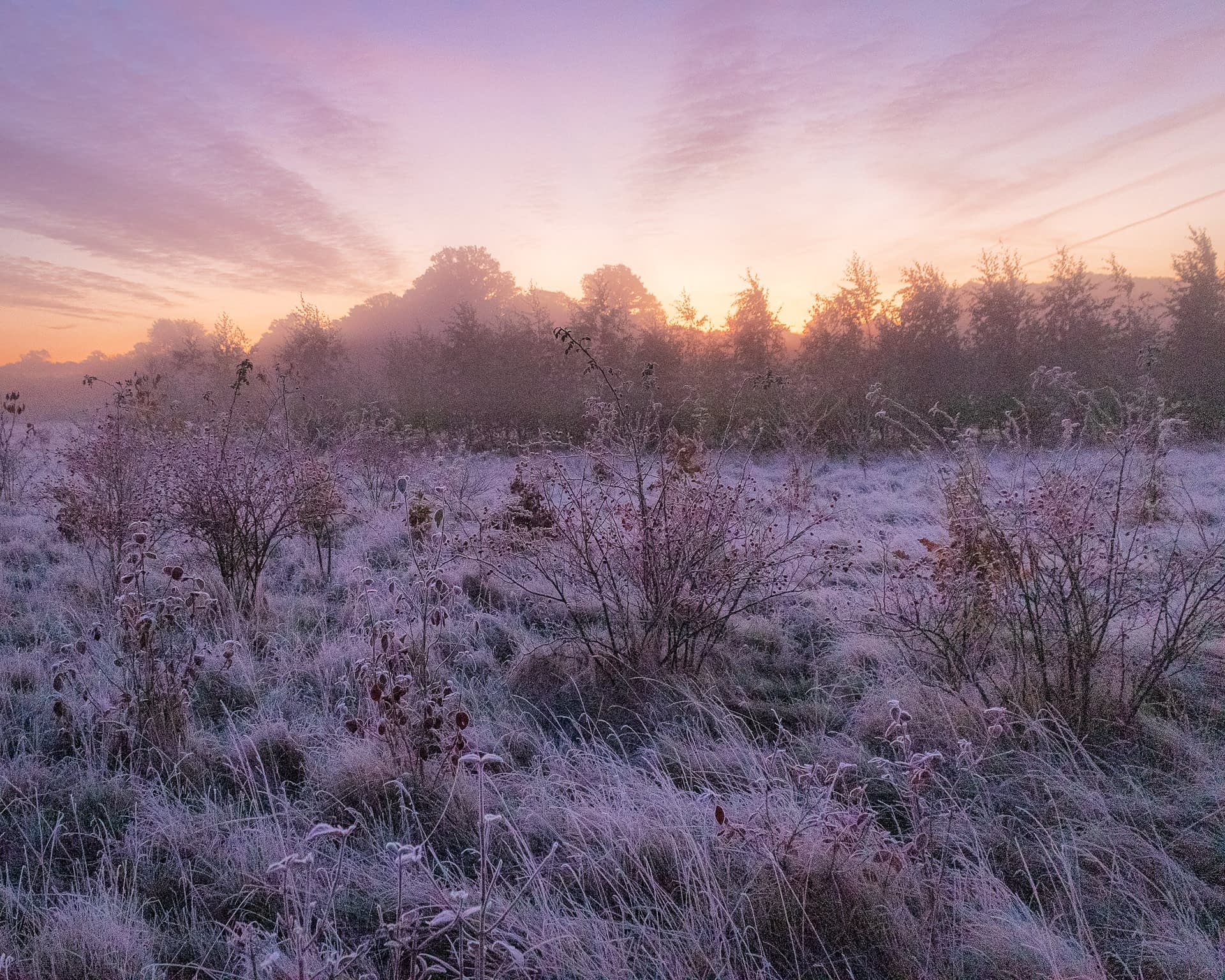
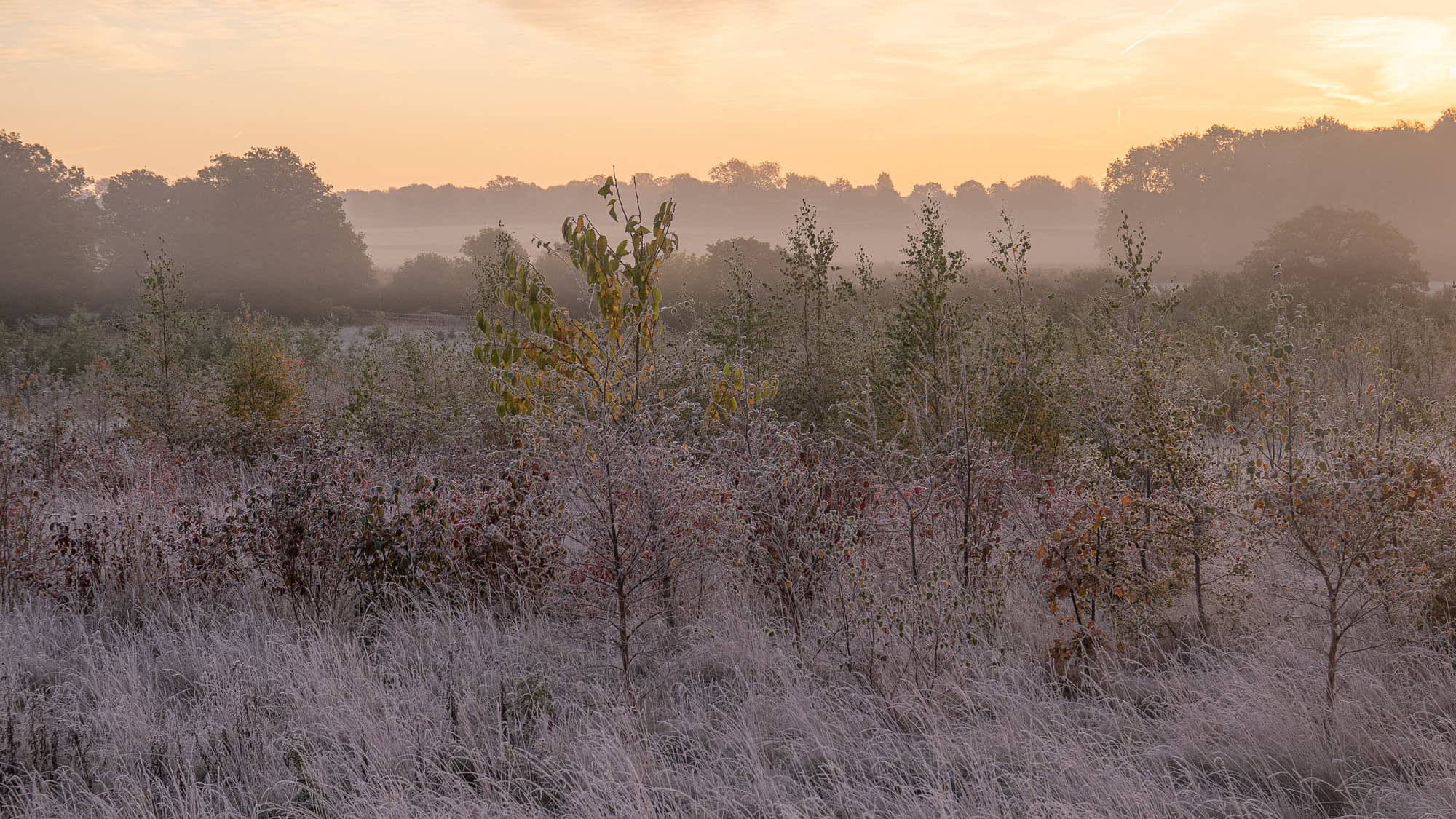
Frost over the young plantations is the signature Heartwood picture. Sixteen years ago this was a field.
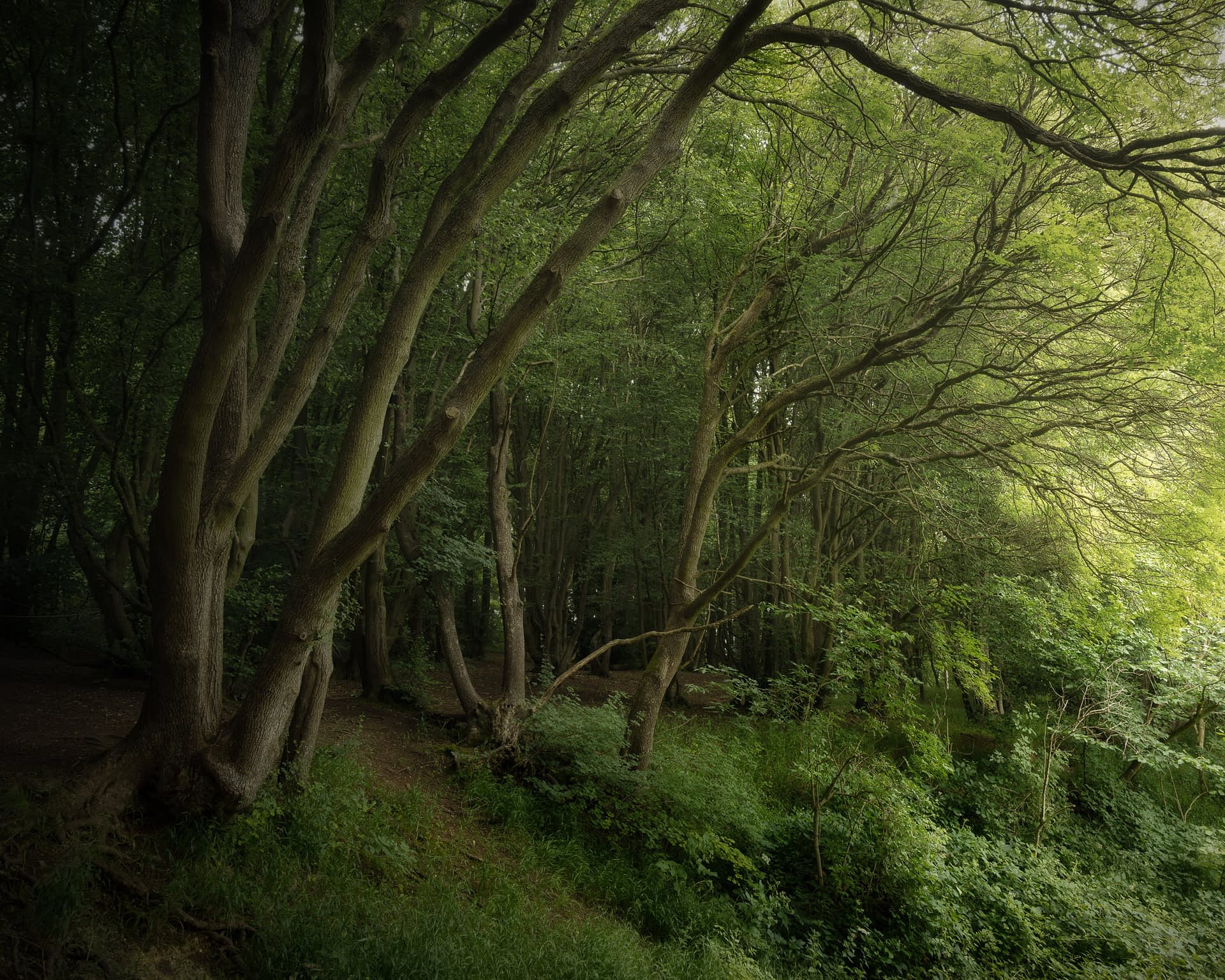
The veteran coppices arch where the planted rows stand straight. Telling the two woods apart is the craft of the place.
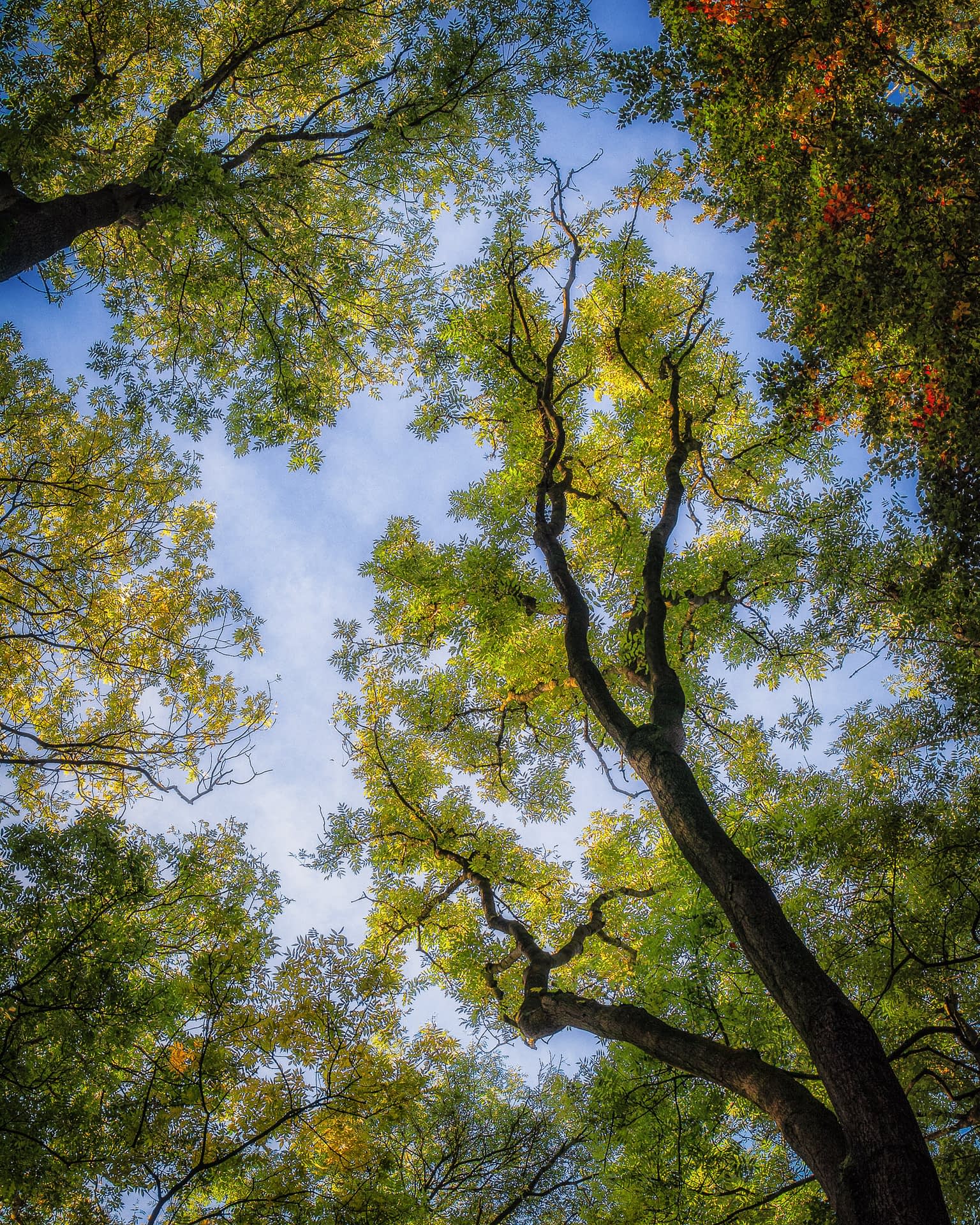
The sky is part of the image at Heartwood, even inside the wood. Look up more often than feels natural.
Before you go
Visiting and shooting.
Getting there and parking.
The main Woodland Trust car park (AL4 9DQ) serves the heart of the site, but it is gated overnight, so it does not work for sunrise. For first light I use one of the two Nomansland Common car parks on Ferrers Lane, both at AL4 8EG. Laybys on Coleman Green Lane and Hammonds Lane give access to the newer planted sections.
There is no station close by; the nearest are around 2.7 miles away, so this is a wood you drive to.
Access and restrictions.
The ancient woods, and Langley Wood especially, have roped paths. Stick to them without exception: Heartwood lost over an acre of bluebells in Langley Wood in just a couple of years to trampling, more than half a Wembley pitch of flowers gone under feet. The ropes are not decoration.
Dogs should be on leads, with signed exceptions in a few areas; check the boards, and expect staff to ask for leads in protected places, particularly around the wildflower meadows where skylarks nest on the ground. Drones need a permit, as everywhere in this series. A public footpath and two bridleways cross the site, with three way-marked trails for everyone else.
Best conditions and timing.
Fog, frost, stormy conditions and golden light are all great tools here. And Heartwood has something no other wood in this series offers: the sky is part of the image. The young plantations are still open enough that weather and light arrive in the frame, not just on it.
My routine from the Nomansland end: wander the four small ancient woods at the far end of the site, then work down through the plantations to Langley Wood. Parts of the new woodland are now forming a canopy, so for the first time there are enclosed woodland images to be made in the newly created areas, and that option grows every year.
If you are still working out which conditions suit which subject, start with the best time for woodland photography.
Sixteen years ago this was farmland. Today it is a thriving young forest.
Subjects and compositions
What to photograph.
Two kinds of pictures live here, and telling them apart is the craft of the place.
In the ancient pockets you make the enclosed, interior images: bluebells under old hornbeams in Langley Wood, gnarled trunks and soft light, all of it from the roped paths.
In the young plantations you make the other kind: conditions-led, open, with the sky in the frame. Frost on the sapling rows, fog lying between the young birches, storm light and golden light over ground that was farmland sixteen years ago. As the canopies close, the first interior images are arriving there too, and photographing that change is the project only Heartwood offers.
Between the two sit the wildflower meadows, at their best in high summer, with the pollinators the monitoring record celebrates and the skylarks the lead rules protect.
Identification and character
Tree species.
Hornbeam. Found in all five ancient woods, and the reason Langley feels the way it does. These are veteran coppiced trees, multiple stems rising from broad old bases that have been cut and regrown over centuries, and in winter their twisted branches make the strongest silhouettes on the site. The ridged leaves carry texture deep into autumn. Photograph them as the ancient counterpoint to everything planted since 2009.
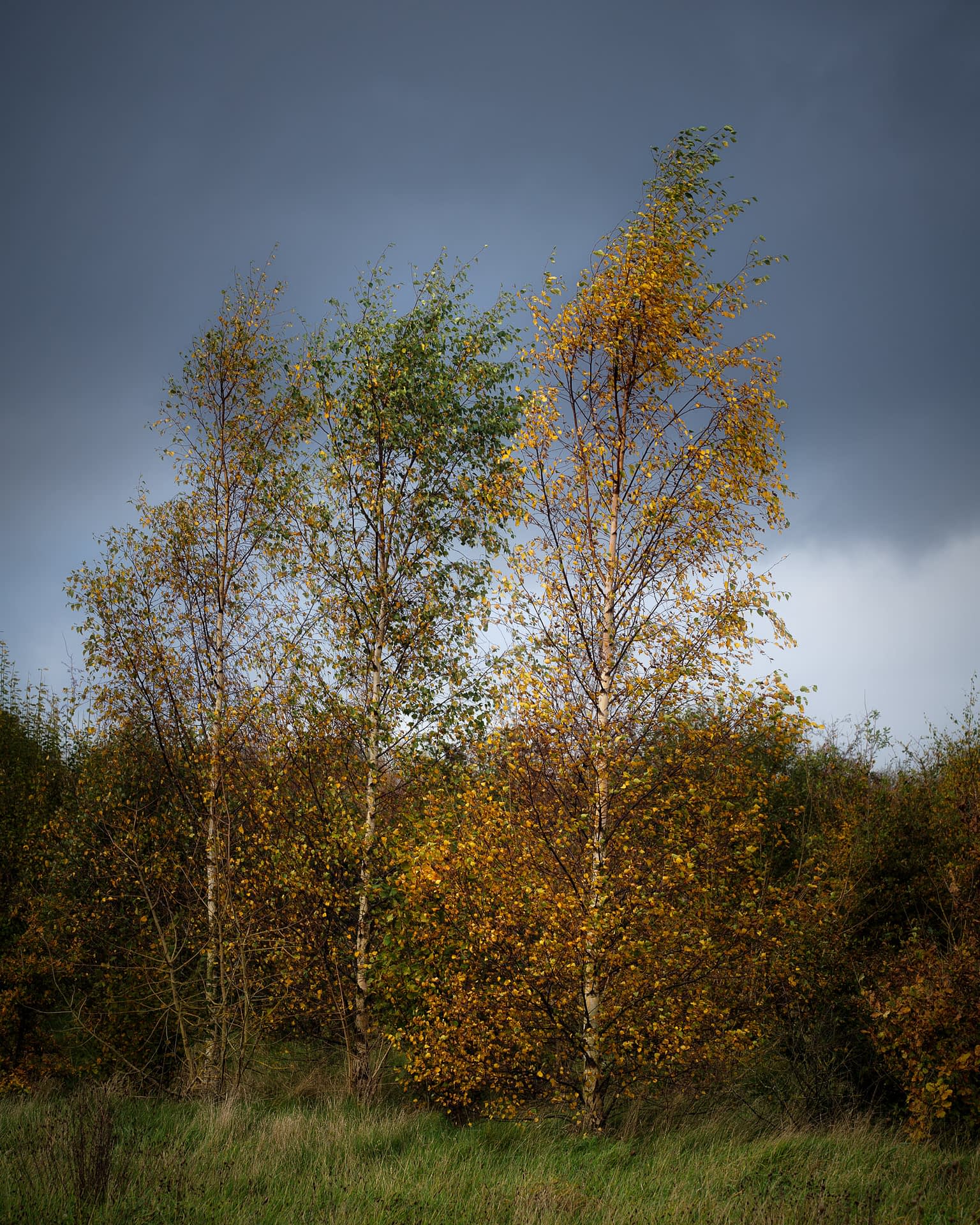
Silver birch. White bark that stands out in every season, often in groups that suit wide frames, with peeling bark for the detail work. In the young sections the birches are often the first trees tall enough to hold a frame on their own. In frost, with the sky behind them, they carry the signature Heartwood winter picture.
Hawthorn. Gnarled forms that read older than they are, blossom in spring, and berries that bring the birds in autumn. In the old hedgerows that survive from the farmland years, the hawthorns mark where the field boundaries used to run. Work them as small portraits: one twisted tree against the young plantation behind it.
Field maple. The smaller tree that owns October here, rich gold arriving against the greens around it. Because so much of the planting is young, the field maples sit at eye level rather than overhead, which makes their colour unusually workable for intimate frames. A reliable subject for the seasonal close work.
Rowan. Red berries from late summer into autumn, delicate feathered leaves, and a habit of standing out from whatever surrounds it. The berries earn their keep twice, as colour for the camera and as food for the birds the monitoring record counts. Close-up friendly at every stage, from spring flower to fruit to bare winter buds.
And the arboretum: the only one known in the UK to contain all 60 native British tree species in one place. If you want to learn your trees, there is nowhere in the country more efficient to do it. Photograph a leaf you cannot name anywhere on the site, then walk here and name it.
Timing
Seasonal highlights.
Spring. Bluebells in Langley Wood from roughly the 20th of April to the 7th of May, the same window as the rest of Hertfordshire, though it moves with the early spring weather, so check how the season is running a couple of weeks ahead. From the roped paths only. Hawthorn blossom follows across the young sections.
Summer. The wildflower meadows are beautiful from the end of May through to early July, the bee orchids appear in late spring and early summer, and the pollinator numbers that the monitoring record documents are visible to anyone standing still for five minutes.
Autumn. The young trees are starting to give proper autumn colour as they mature, a patchwork that improves every year, with mist over the open ground on the right mornings.
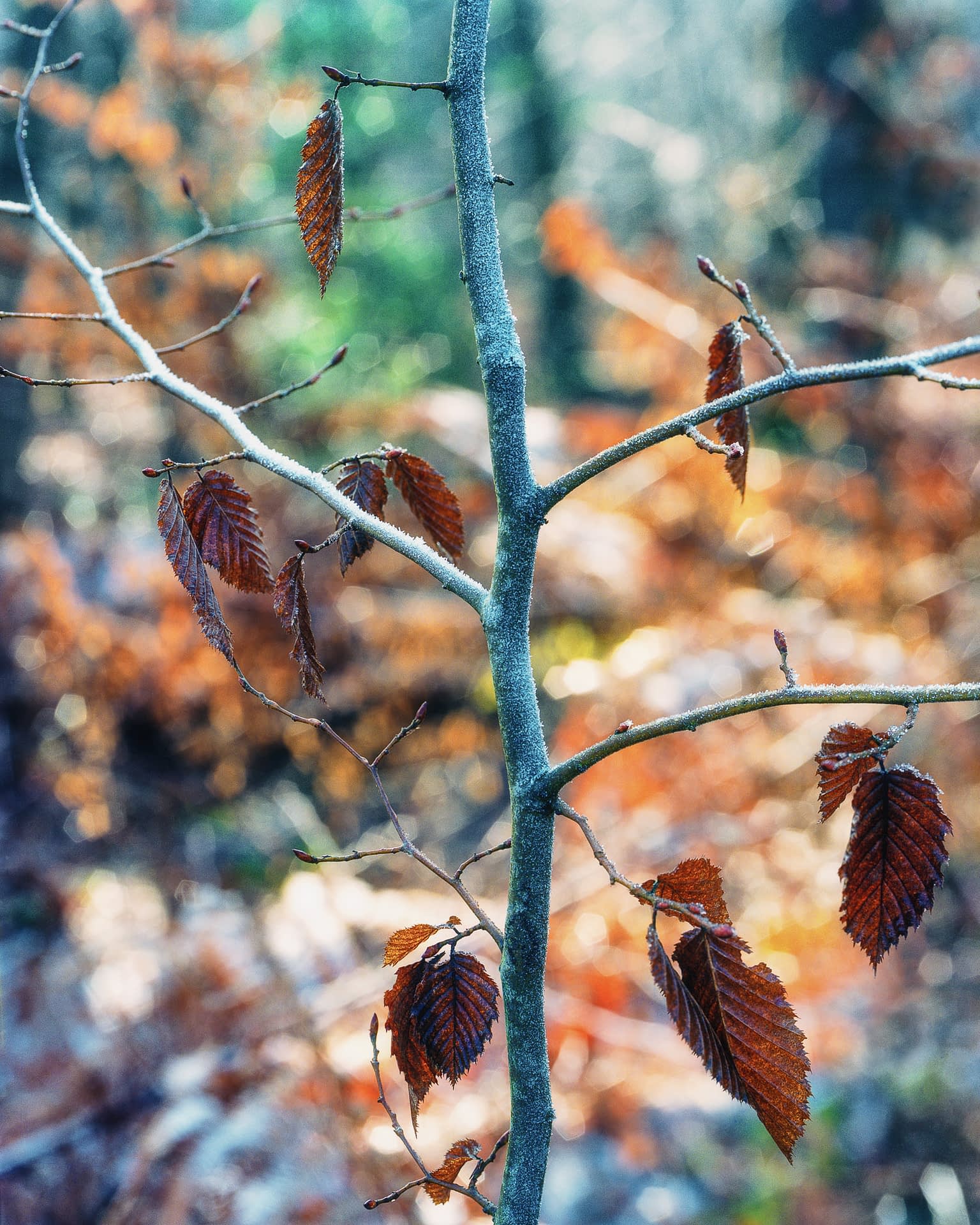
Winter. Frost over the young plantations is the signature Heartwood picture, with fog and big skies. The openness that will one day disappear under canopy is, for now, the gift.
Spring
Summer
Autumn
Winter
Four ways in
Areas to explore.
Langley Wood.
The largest of the ancient fragments and the famous one: bluebells in spring under old hornbeams, gnarled trunks, and soft interior light. The paths are roped, and after an acre of flowers was lost to feet in two years, the ropes are the deal.
CREATIVE TIP
Everything worth making here can be made from the path. Treat the ropes as your tripod positions and the discipline becomes part of the craft.
mindful moment
Ancient woodland begins a step off the path, where an acre of bluebells was lost to steps exactly like it. Standing still here is not a restriction. It is the point.
Four small ancient woods.
Well Wood, Round Wood, Pismire Spring and Pudler's Wood sit at the far end of the site from the main car park, and they are where my first-light circuit begins before I work down to Langley. I photograph the veteran coppiced hornbeams here, the bluebells, the autumn colour and the fungi, with the woodland floor and the deadwood carrying the intimate frames.
CREATIVE TIP
The floor does the quiet work in these woods. When the wider scene gives you nothing, drop to the deadwood and the fungi and work the intimate scale.
mindful moment
In summer, give the enclosed ride between Pudler's Wood and Well Wood some patient minutes. Purple Emperor and Clouded Yellow butterflies are often seen here, and seeing one is worth the standing still.
The Magical Wood and the young plantations.
The Magical Wood is where this guide began: I photographed the 2010 sunrise from inside it when the horizon was still visible, and today the same spot is enclosed by dense young woodland. Across the plantations the photography is conditions-led, frost and fog and storm light with the sky in the frame, and the first canopy-closed interiors are now arriving.
CREATIVE TIP
Let the weather choose the session. Frost and fog for the sapling rows and young birches, storm and golden light when the sky deserves its place in the frame.
mindful moment
Somewhere beyond the trees is the horizon I photographed in 2010. Stand still and take in that everything hiding it is younger than that picture.
The wildflower meadows.
The end of May through to early July is their season, with colour for the wide frames and pollinators for the close ones. There is a bee orchid area, and the orchids appear in late spring and early summer. Skylarks nest on the ground here, which is why the lead rules are strict and worth honouring.
CREATIVE TIP
Work both scales in one visit: wide for the colour across the meadow, then macro for single blooms and whatever is standing on them.
mindful moment
Arrive early and you will find butterflies resting in the wildflower meadows and grasses.
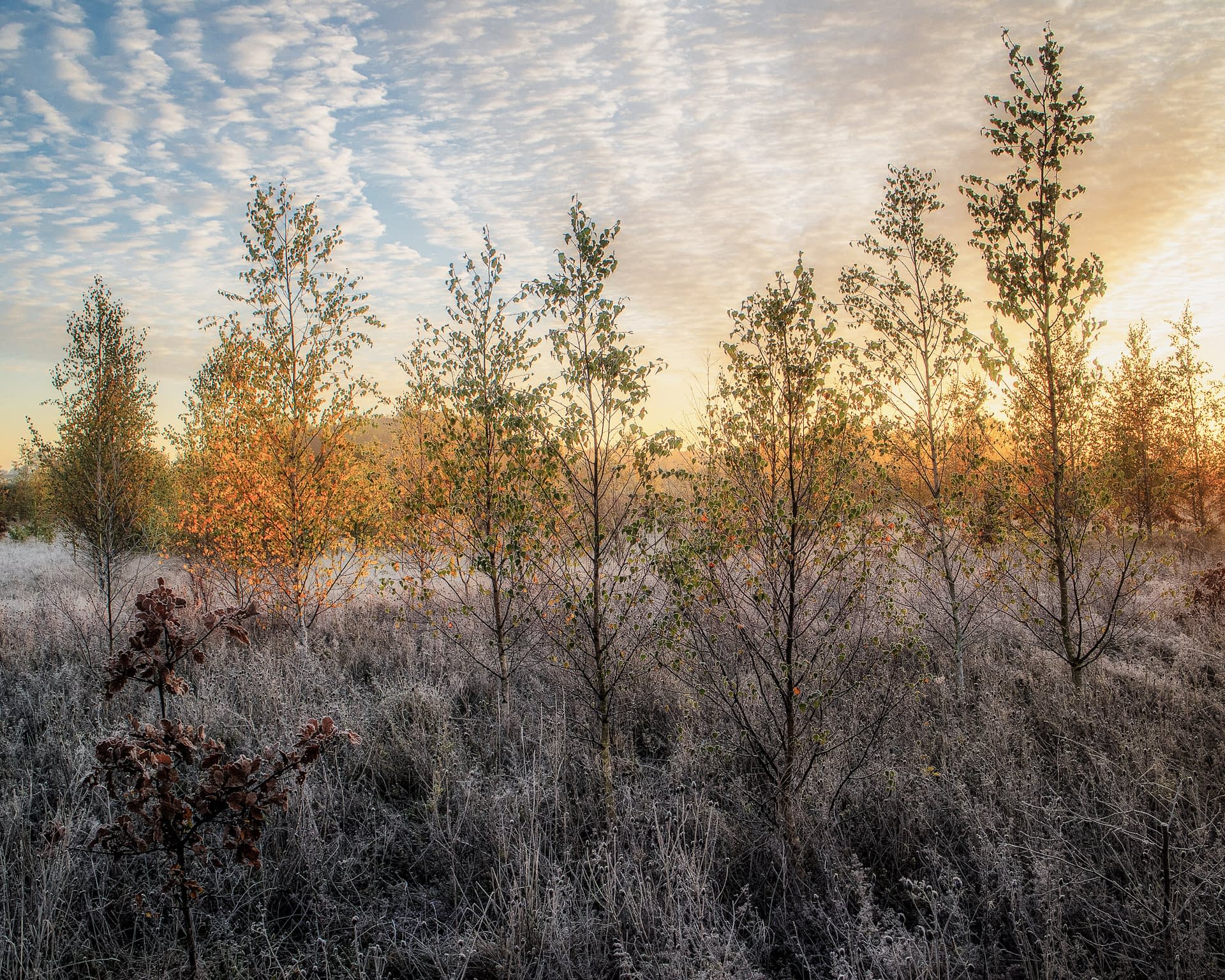
The Magical Wood and the plantations, where the horizon used to be.
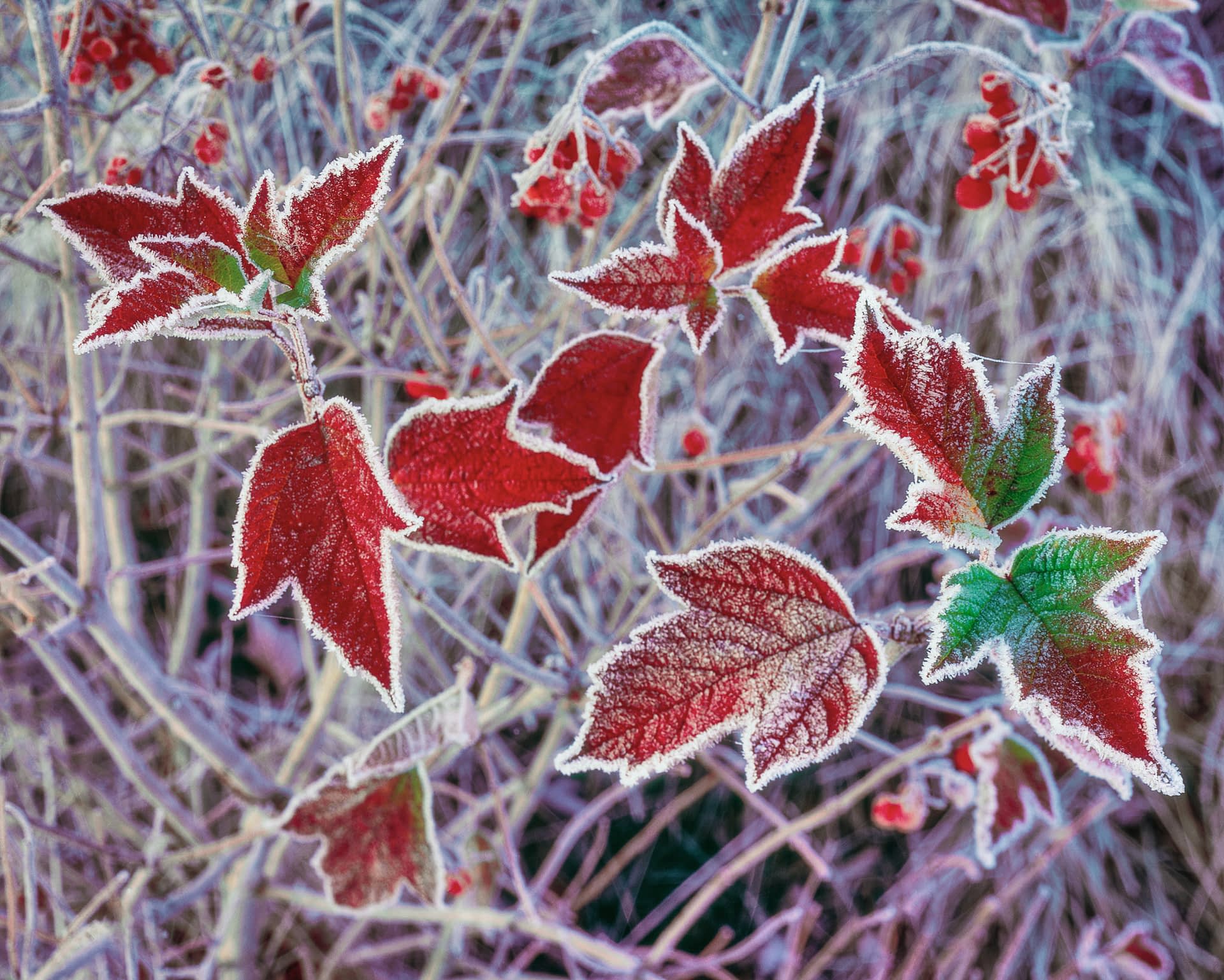
Frost rewards the close look as much as the wide one. Work both scales on the cold mornings.
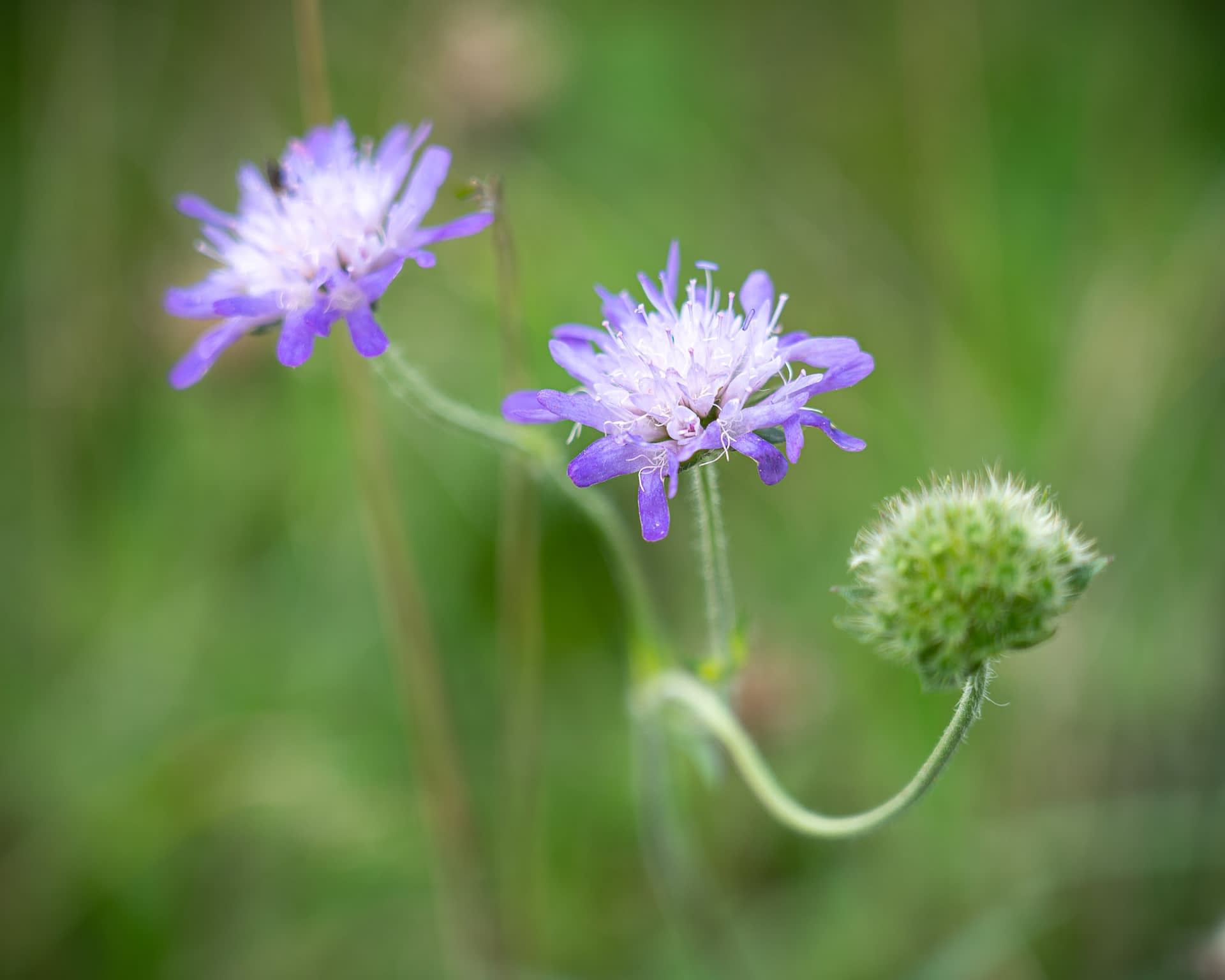
The meadows, end of May to early July, skylark ground underfoot.
Final thoughts
Every other wood in this series was here long before me. Heartwood is the one growing up alongside the work.
In 2010 I photographed the horizon from a spot where the horizon no longer exists. That is the whole story of this place, told in one before-and-after, and it is still in its first chapter: the canopies are only starting to close, the butterflies are still climbing the survey charts, and the pictures this wood will offer in thirty years do not exist yet. I intend to keep turning up while they arrive.
For the wood that taught me the craft I bring here, read my guide to Ashridge Estate. All six guides live at the location guides index.
Before you visit
Common questions about Heartwood Forest.
Where do I park at Heartwood Forest?
The main Woodland Trust car park is at AL4 9DQ, gated overnight. For sunrise, use the two Nomansland Common car parks on Ferrers Lane, both AL4 8EG. Laybys on Coleman Green Lane and Hammonds Lane serve the newer planted sections. The site is free to visit.
Can I get into Heartwood Forest before sunrise?
Yes, on foot at any time. The main car park does not open for sunrise, so park at Nomansland Common on Ferrers Lane and walk in from there.
When are the bluebells in Langley Wood?
Roughly the 20th of April to the 7th of May, the same window as the rest of Hertfordshire, though early spring weather can move it, so check a couple of weeks ahead. View them from the roped paths only: over an acre of bluebells was lost here in just a couple of years to trampling.
Are dogs allowed at Heartwood Forest?
Yes, on leads, with signed exceptions in a few areas. Staff will ask for leads in protected places, especially around the meadows where skylarks nest on the ground.
What makes Heartwood Forest different from other woods?
It is the largest continuous new native forest in England, more than 600,000 trees planted by volunteers since 2009, with five pockets of ancient woodland inside it and an arboretum holding all 60 native British tree species. You can photograph a wood being made.
Previous Guide
Next Guide
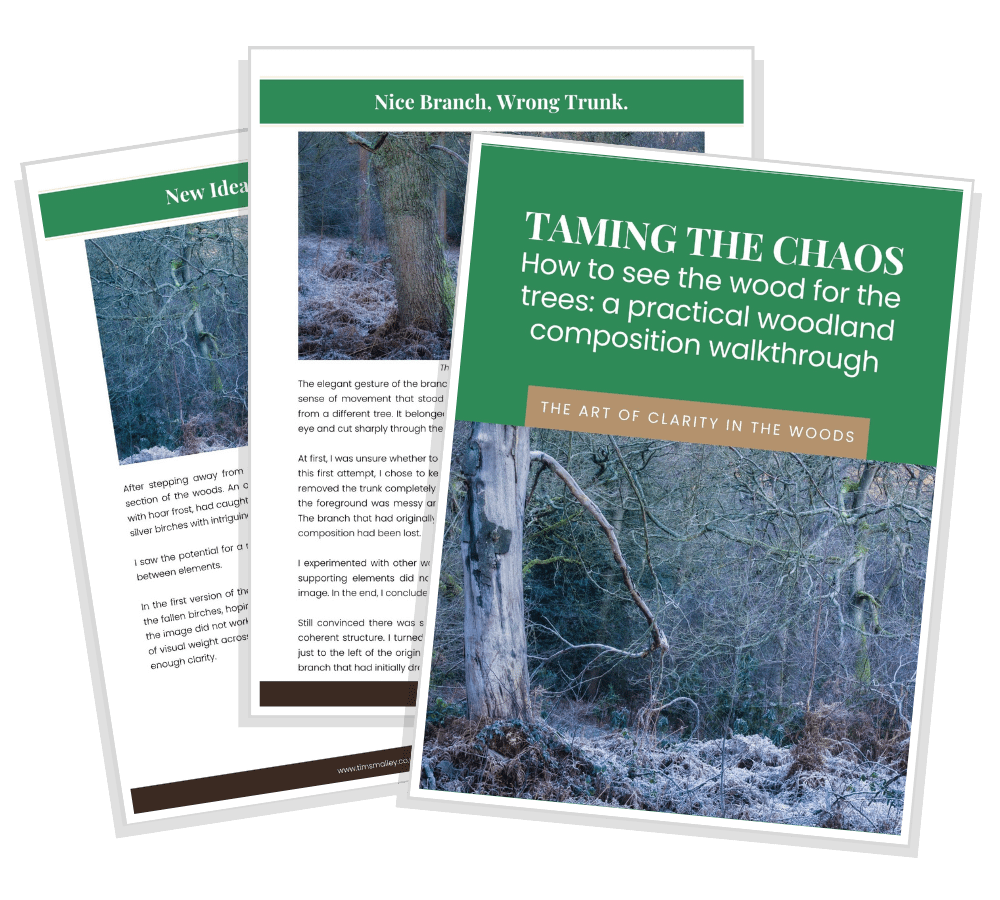
Free composition guide
Learn how to tame the chaos in the woods.
Woodland is the hardest landscape to compose. This free guide gives you a practical way to cut through the visual mess and find the picture, in Hainault or any wood you walk into.